Making Cannabis Oil In A Crock-Pot: Canna Oil Recipe Guide
Set it and forget it. Six hours later, you've got the most versatile ingredient in your kitchen.
Rachel Abela
July 21, 2026
This article contains sponsored content. Some of the products featured are part of paid partnerships. This page explains how our process works.

herb
Set it and forget it. Six hours later, you've got the most versatile ingredient in your kitchen.
July 21, 2026
This canna oil recipe is one of the easiest ways to learn how to make cannabis infused oil at home without buying a single new piece of equipment, as long as you’ve got a slow cooker tucked away somewhere.
When you dive into the world of cooking with cannabis, it can all seem complex and challenging. There’s decarbing, ratios, temperatures, infusion windows, and a hundred opinions on which oil to use. But like everything else in life, it’s mostly a matter of getting clear on the process and going for it.
That’s why crockpot cannabis oil has become the go-to method for home cooks. The slow cooker holds a low, steady temperature for hours without you having to babysit it, which is exactly what cannabis infusion needs. Cannabinoids and terpenes are sensitive to high heat — they degrade fast when you push them past their thresholds, but they extract beautifully when given time at low temperature in a fat that can carry them.
Below, the full breakdown: ingredients, decarboxylation, infusion, straining, storage, and a few common questions that trip up first-time infusers.
Making your own cannabis oil is rewarding. But if you’d rather skip the slow-cooker step, a ready-made tincture is the shortcut.
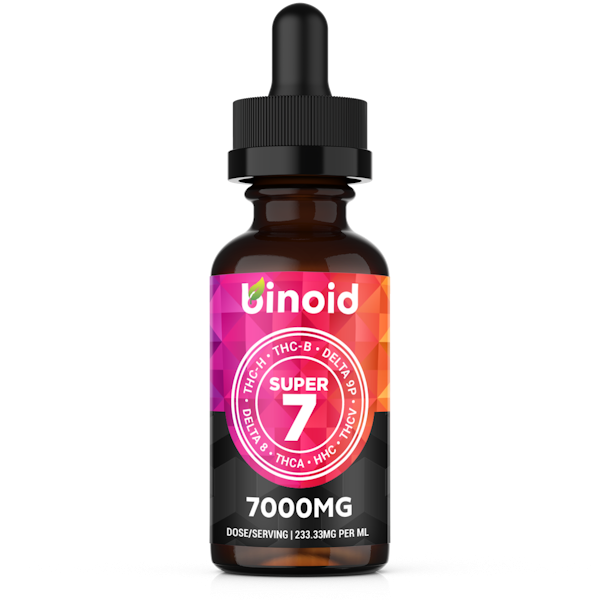
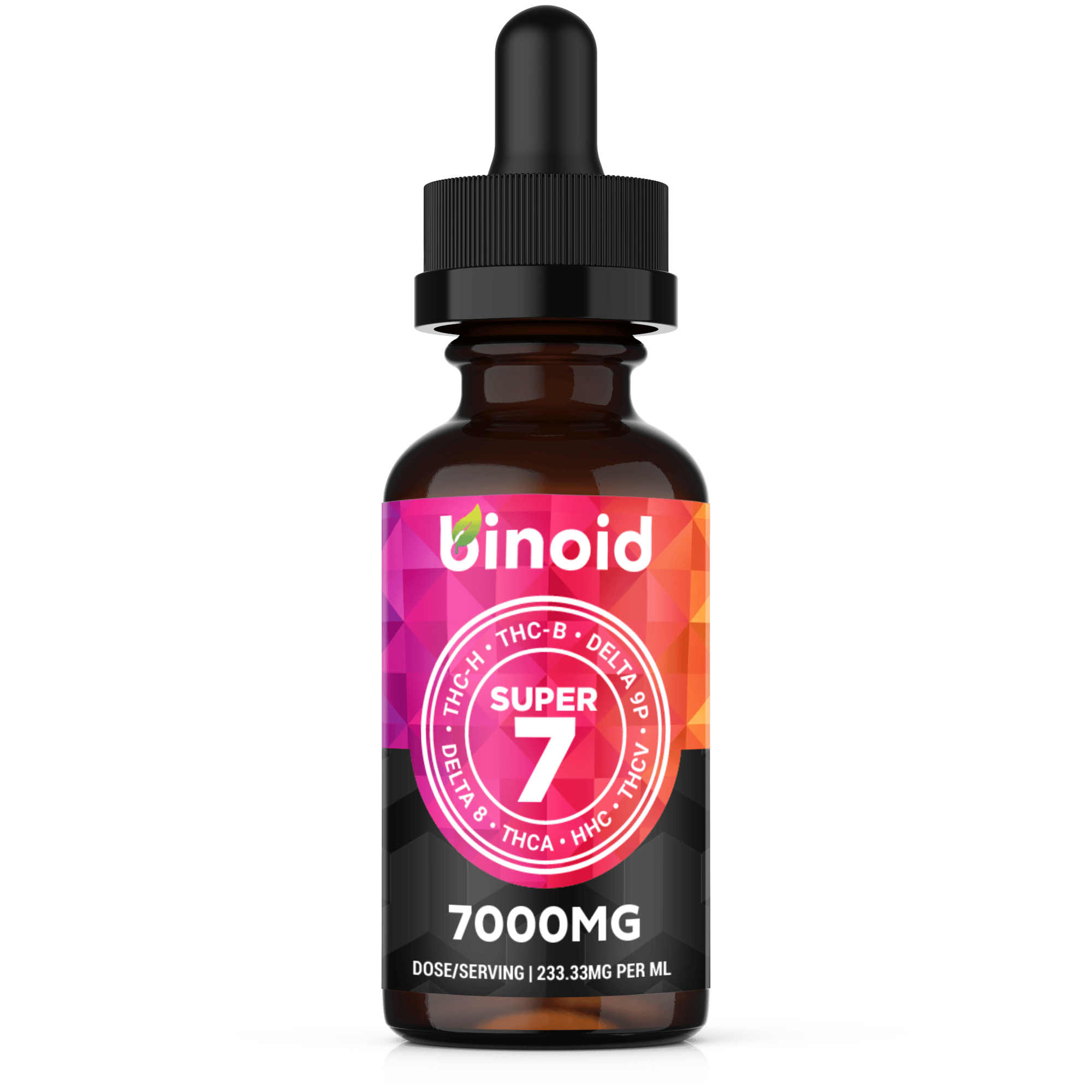
Binoid’s Super 7 Tincture packs 7,000mg of a seven-cannabinoid blend (THCA, THC-H, THC-B, HHC, Delta 8, Delta 9P, and THCV) into an MCT oil base. That’s the same kind of carrier oil many homemade recipes use. It’s designed for under-the-tongue dosing, with fast effects that show up within about an hour. Because it’s one of the strongest tinctures out there, Binoid recommends starting with a quarter to half a dropper and going slow. Think of it as the grab-and-go companion to your DIY batch.

viktor talashuk
Slow-cooker canna oil is great when you’ve got the afternoon free. But let’s be real. Sometimes you don’t have 6 hours to decarb, infuse, strain, and store.
That’s where a ready-to-use live resin dripper changes the math.
The thisthat THCa 1g Live Resin Dripper is a 1-gram syringe of pure THCa live resin that does the work the slow cooker would have done, and more. The flower it starts with is hand-selected, frozen fresh at harvest to lock in the full cannabinoid and terpene profile, and extracted using the fresh-frozen method that gives live resin its signature flavor. No fillers, no carrier oil to dilute the potency, no batch-to-batch variability you’d get making your own.
Where the dripper earns its place is in how flexibly you can use it:
A little goes a long way, so start with a small drop and adjust from there. That’s the part that homemade slow-cooker oil can’t really offer. With infusion, your dose is whatever the math worked out to across the entire batch. With a dripper, every drop is a controlled hit of terp-rich extract you can apply exactly where you want it.
Slow-cooker canna oil still has its place. For baking, for topicals, for stocking the pantry with something you can spoon into anything. But when the moment calls for instant potency without the kitchen project, the thisthat dripper is your best bet.
chuttersnap
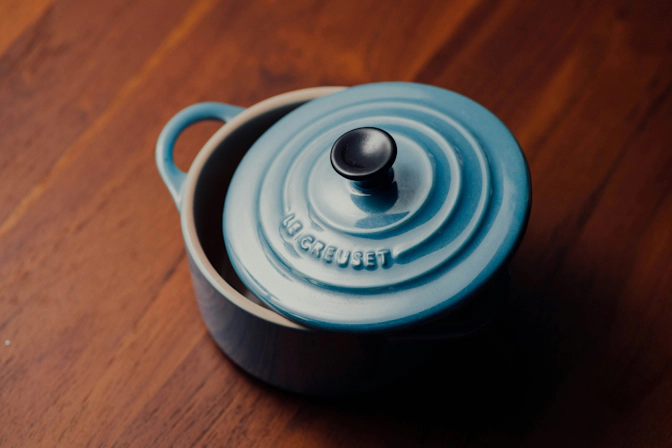
The slow cooker is the secret weapon of cannabis infusion. Stovetop methods work, but they require constant attention and a thermometer to keep oil from scorching. Double boilers help, but they’re fussy. The slow cooker just holds temperature, gently, for as long as you let it run.
That low and consistent heat is what allows cannabinoids to slowly bind to fat without burning off the volatile terpenes that give your final product flavor and full-spectrum effects. This is also why crockpot setups dominate the conversation when home cooks talk about how to make cannabis infused oil at home.
A few important notes before you start. Decarboxylation comes before infusion (more on that in a minute). Your cannabis-to-oil ratio determines the final potency. And the cleaner your starting flower, the cleaner your finished oil will be. Here’s what you’ll need.
Strong cannabis infused oil starts with two things: quality flower and the right fat. Both choices matter more than most beginner guides admit, and both are the foundation of any canna oil recipe worth bookmarking.
Ingredients:
Equipment:

Photo by Stock
To get the most out of your weed, you must first decarboxylate it. In other words, you have to activate it. Raw cannabis contains THCa and CBDa, which are the non-psychoactive precursor compounds to THC and CBD. They don’t get you high in their natural state. Heat converts them into their active forms, which is what cannabis oil infusion actually relies on to work. Skip decarb, and you’ll spend six hours making oil that does almost nothing.
How to decarboxylate cannabis for this cannabis oil recipe in crockpot setup:
The visual cues matter. Properly decarbed cannabis goes from bright green to a deeper, slightly toasted golden-brown. The smell shifts from fresh and grassy to warm, nutty, and herbal. If your flower turns dark brown or starts smelling burnt, you’ve gone too far, and you’ve cooked off the volatile terpenes that give your oil flavor and full-spectrum effects.
A common beginner mistake: cranking the temperature too high to save time. Don’t. Anything above 250°F starts degrading cannabinoids faster than they’re being activated, which leaves you with less potency and worse flavor. The 240°F sweet spot is what the research consistently points to as the ideal balance.
Another mistake: over-grinding into a fine powder. Coarse grinding gives the oil more surface area to extract from without creating sludge that’s hard to strain later. Aim for the consistency of dried oregano, not dust.

Photo by Getty Images
The carrier oil is half the equation. Fat content directly affects how many cannabinoids your finished product can hold, and the type of fat affects how your body absorbs them later. If you’re trying to figure out how to make cannabis infused oil that actually performs the way you want, this is where the most-overlooked decision gets made. Here’s how the four most common options compare.
Coconut oil: the most popular choice for edibles, and for good reason. The high saturated fat content (around 80%) maximizes cannabinoid binding, and the solid-at-room-temperature consistency makes it easy to portion into capsules, brownies, or homemade topicals. Both refined and unrefined coconut oil work. Refined has a neutral flavor; unrefined adds a subtle coconut note. Canna coconut oil crock pot recipes are easily the most-searched cannabis infusion online, and there’s a reason: it just works.
Olive oil: the savory choice. Olive oil has a lower saturated fat content (around 14%) than coconut oil, which means slightly lower potency potential, but it shines in pasta sauces, salad dressings, dips, and roasted vegetables. If you want to learn how to make cannabis infused olive oil for cooking, this is the workhorse oil. Use extra virgin for finishing dishes and standard olive oil for cooking applications above medium heat.
MCT oil: a liquid coconut concentrate that’s stripped down to medium-chain triglycerides. Absorbs faster than other oils and is the go-to for tinctures, sublingual drops, and gummy recipes. The downside: MCT stays liquid, so it can’t replace solid coconut oil in baking applications where texture matters.
Avocado oil: the most versatile cooking oil of the group. High smoke point (around 520°F refined), neutral flavor, and solid fat content for binding cannabinoids. Great for high-heat cooking, dressings, or any recipe where you don’t want the oil itself to compete with other flavors.
Shelf life varies. Coconut oil stays stable the longest (up to 2 years unopened). Olive oil and avocado oil hold for about 18 to 24 months. MCT oil is similarly long-lasting. Once you’ve infused any of these with cannabis, plan for 2 to 3 months of peak quality with proper storage.
For vegans and health-conscious cooks, all four oils are plant-based. Coconut oil has higher saturated fat than most nutritionists recommend for daily consumption, so olive or avocado oil might be preferable for everyday cooking applications.

Photo by Mche Lee
This is the part where the slow cooker earns its keep. The actual cannabis oil infusion is hands-off, low-effort, and forgiving. If you’ve been wondering how to make cannabis oil in crockpot form without burning anything, this section is the part that matters most.
The ideal slow cooker temperature for crockpot cannabis oil sits between 160°F and 200°F. Anything higher starts degrading cannabinoids faster than they’re being extracted. Most slow cookers run hotter than their dials suggest, so if you’re worried about scorching, do a water bath: place your jar of oil and cannabis inside a slow cooker filled halfway with water. The water buffers the temperature beautifully and makes burning nearly impossible.
Stir every hour or so. You’re not trying to agitate the oil aggressively; just keep the plant material from settling and ensure even extraction. The oil should turn from clear or pale yellow into a deep golden-green over the course of the infusion. If it darkens to a dark brown, you’ve gone too hot or too long.
Want stronger oil? Run a longer cycle. Six hours produces a solid moderate potency. Eight hours pushes toward stronger extraction. Past eight hours, you’re more likely to degrade cannabinoids than extract them. Reinfusion is a better option for boosting strength: strain your first batch, then run a second infusion with fresh decarbed cannabis using the same oil. This double-infusion technique is one of the most effective ways to make canna oil in a crock pot pack a real punch without overcooking.
Signs the infusion is done: the oil has deepened in color, the flower has loosened and looks slightly translucent, and the kitchen smells like a low-key dispensary. If it smells burnt, you’ve overshot.

Once your canna oil slow cooker session wraps up, the next step is to separate the oil from the spent plant material. This is where most home infusers either get lazy or overthink it. The middle path works best.
Cheesecloth vs mesh strainer: cheesecloth catches finer particles and gives you cleaner oil. Mesh strainers are faster but let more sediment through. For the cleanest finish, do both: pour through a mesh strainer first, then run the strained oil through a cheesecloth-lined funnel for a second pass.
How hard to squeeze: gently. Over-squeezing the cannabis pulp will press chlorophyll and bitter plant compounds into your oil. You’re going for clean extraction, not maximum yield. The last few drops aren’t worth the off-taste.
Wait until the oil is warm but not blazing hot before handling. Coconut oil that’s still molten at high temperatures can cause real burns if you slip while pouring.
Yield expectations: you’ll typically recover about 75 to 85% of your starting oil volume. Some is absorbed by the plant material, some clings to the strainer, and some evaporates over the infusion. Plan for slightly less than you started with.
Want stronger oil from the same batch? Reinfuse. Take the strained oil and run it back through the slow cooker with fresh decarbed cannabis for another full cycle. This makes the final product noticeably more potent without sacrificing quality.
cosmin ursea
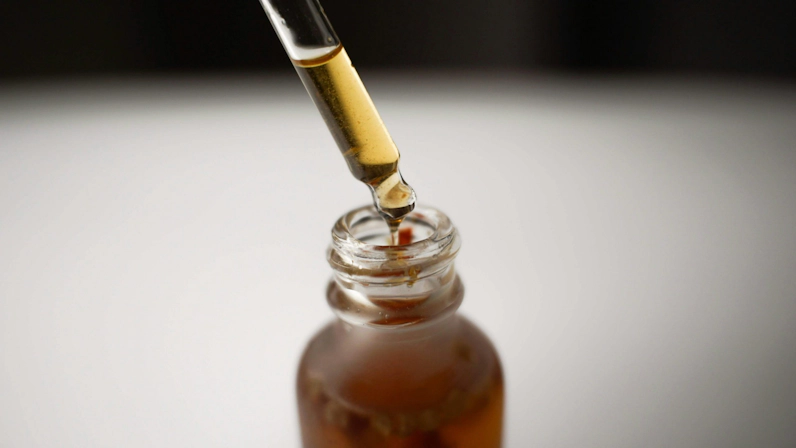
Storage is the part that’s easy to dismiss and easy to regret. Cannabis infused oil is a perishable food product, and how you store it directly affects how long it stays potent and safe to use. Every canna oil crock pot batch deserves the same storage care you’d give homemade olive oil or any other shelf-sensitive food product.
Best practices:
Refrigeration vs pantry storage: pantry storage works for short-term use (1 to 2 months). Refrigeration is the better default for most home batches, extending freshness to around 3 to 6 months. Freezer storage can preserve cannabis infused oil for 12 months or longer with minimal potency loss.
How long does it actually last? Properly stored cannabis infused oil holds peak potency for 2 to 3 months at room temperature in a dark cupboard, up to 6 months refrigerated, and beyond a year frozen. After those windows, the oil may still be safe, but will gradually lose strength.
Signs the oil has gone bad: rancid or off smells (similar to old cooking oil), visible mold, or a significantly darker color than when you stored it. When in doubt, throw it out.
Labeling matters more than people think. Six months from now, you will not remember whether the batch in the back of your fridge was 1 ounce per 2 cups or half that. Write it on the jar.
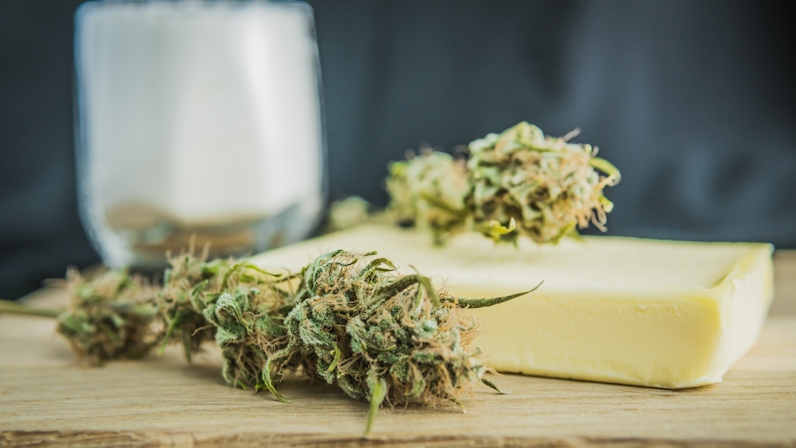
Photo by creative_content / Adobe Stock Photo
A properly made batch of canna oil has dozens of uses, which is the whole reason this canna oil recipe is worth learning in the first place. Once you’ve figured out how to make cannabis infused oil reliably, the kitchen opens up. Here’s where it actually goes once it’s done.
Baking and cooking: substitute it for regular oil or butter in brownies, cookies, banana bread, salad dressings, pasta sauces, sautéed vegetables, or any savory dish that uses fat. Start with a small substitution (one-quarter of the oil) until you’ve calibrated your dosing.
Coffee or tea: a small amount stirred into hot coffee or tea, with a spoonful of honey or a splash of milk, dissolves nicely and absorbs faster than most edibles.
Capsules or tinctures: fill empty gel caps for a precise, discreet edible option. Coconut oil works best for capsule applications since it stays solid at room temperature.
Homemade topicals and salves: cannabis infused olive oil or coconut oil can be blended with beeswax, shea butter, and essential oils to make personal-use topical balms for sore muscles or skin care.
Low-dose beginner recipes: if you’re brand new to edibles, dose tiny. A teaspoon of moderately potent cannabis oil can hit harder than expected. Start with one-quarter of a teaspoon and wait 90 minutes before redosing. Edibles are processed by the liver and feel meaningfully different from inhaled cannabis.
Always know your dose. Always start low. Always wait the full onset window — at least 90 minutes — before deciding you need more.

alia hasan
Best cannabis strains for infusions: high-terpene, well-cured flower will always deliver better-tasting oil than dry, stale shake. That said, infusion is also a great way to use up trim, smaller buds, or “B-grade” flower you wouldn’t necessarily smoke on its own. Indicas and indica-dominant hybrids are popular for evening edibles; sativas suit daytime infusions; high-CBD strains work for non-psychoactive topicals. The flower you pick is the single biggest variable in any cannabis infused oil recipe.
THC vs CBD flower options: most home infusers use standard THC flower for edibles. If you’re after wellness-focused oil for topicals or non-psychoactive use, CBD-dominant flower (or a 1:1 THC/CBD strain) works the same way in this recipe with the same exact process.
Why coconut oil is commonly preferred: coconut oil is roughly 80% saturated fat, which is one of the highest fat contents of any common cooking oil. More fat means more binding sites for cannabinoids, which means a more potent finished product per gram of flower. Coconut oil also stays solid at room temperature, which makes capsules and topicals easier to portion later.
MCT vs olive vs avocado: MCT oil is liquid coconut concentrate, fast-absorbing, and great for tinctures or sublingual use. Olive oil has a lower saturated fat content but works beautifully in savory recipes. Avocado oil has a high smoke point and a neutral flavor, which makes it the most versatile cooking oil of the four.
Airtight glass storage jars matter: light and oxygen degrade cannabinoids over time. A clear mason jar in a bright kitchen window will lose potency in weeks. An amber glass jar in a dark cupboard can hold its quality for months.
Beginner dosage ratios: if you’re new to making canna oil in a crock pot, start lower than you think. A common starting ratio is 7 grams of flower per cup of oil, which produces a moderately potent oil that beginners can dose more safely. Stronger oil is easy to make later once you know how your body responds.
cooker king
The active time is minimal. About 30 to 40 minutes for decarboxylation, 10 minutes of prep, and then 4 to 8 hours of hands-off slow cooker time. Most beginners aim for a 6-hour infusion, which produces a balanced, moderately potent oil. Longer infusions (up to 8 hours) increase potency, but going past 8 hours starts degrading cannabinoids faster than it extracts them.
Yes. Raw cannabis contains THCa and CBDa, which are the non-psychoactive precursors to THC and CBD. Heat converts them into the active forms your body can actually use. Skipping decarb means your finished oil will be much weaker than expected, sometimes barely active at all. Decarb is non-negotiable for any potency-focused cannabis infusion.
Coconut oil is the most popular choice because its high saturated fat content binds the most cannabinoids per gram. Olive oil works best for savory recipes. MCT oil is best for tinctures and gummies. Avocado oil is the most versatile for cooking. All four work in this canna oil slow cooker recipe with the same exact process.
In airtight glass jars (amber if possible), in a cool, dark place. Refrigeration extends freshness to 3 to 6 months. Freezing pushes shelf life past a year. Avoid clear containers, direct light, and temperature fluctuations. Label every batch with the date and ratio so future you isn’t guessing.
Yes, but it’s more hands-on. Stovetop methods work with a double boiler or a heavy-bottomed saucepan kept on the lowest possible setting, with regular stirring. Sous vide is another precise option for those with the equipment. The slow cooker is just the easiest, most forgiving, lowest-maintenance method for beginners.
Absolutely. Cannabis coconut oil crockpot recipes are the most common form of this entire infusion category. The process is identical: decarb your cannabis, combine with coconut oil in the slow cooker, run on low for 4 to 8 hours, strain, and store. Coconut oil’s high saturated fat content makes it the strongest carrier for cannabinoid extraction, which is why it’s the most-recommended oil for beginners.
Between 160°F and 200°F. Below 160°F, and extraction slows significantly. Above 200°F, and you start degrading cannabinoids faster than they’re being extracted. Most slow cookers’ “low” setting falls within this range, but verify with a kitchen thermometer if yours runs hot. A water bath method is a reliable workaround if your cooker tends to overshoot.
Herb
For more than a decade, Herb has been a gathering place for home cooks, cannabis curious, and anyone who wants to actually understand what they’re putting in their kitchen. What started as a corner of the internet has grown into a community where millions come to learn recipes, dial in their dosing, and stay connected to cannabis culture.
Here’s what you can tap into at Herb:
Stay connected with the Herb community by subscribing to our newsletter, following us on Instagram, and X for the latest in cannabis lifestyle and culture.