
Herb
How to Buy Weed in Brazil: Rio, São Paulo & What Tourists Should Know About Decriminalization |
03.18.2026How to Buy Weed in Brazil: Rio, São Paulo & What Tourists Should Know About Decriminalization
Understanding the critical gap between Brazil's decriminalization headlines and what tourists can actually do legally

Every misleading headline about Brazil “legalizing marijuana” creates dangerous confusion for international visitors. While the STF decriminalized possession of up to 40 grams in June 2024, recreational cannabis purchase remains completely illegal nationwide. Tourists face potential detention and immigration consequences for cannabis-related activity, with uncertain protections under Brazil’s evolving decriminalization framework. The solution isn’t navigating an illegal market; it’s understanding the precise legal boundaries and enjoying Brazil’s abundant legal offerings instead.
For comprehensive information about cannabis strains and their effects, check out Herb’s Strain Guides, which can help you understand different cannabis varieties even if they’re not legally accessible in Brazil.
Key Takeaways

lLUIS DIEGO AGUILAR
- Recreational cannabis purchase remains completely illegal in Brazil, with no dispensaries or legal retail
- The STF’s 40g personal-use threshold does not create legal purchase access for anyone
- Tourists face potential immigration consequences for cannabis possession, though outcomes vary by circumstance
- Medical cannabis access through ANVISA requires a prescription from an authorized professional, and practical barriers make tourist access extremely unlikely
- Street purchases in Rio/São Paulo are linked to violent drug trafficking organizations
- ANVISA operates an authorization-based import pathway for prescribed cannabis products, but tourists face significant practical barriers
- ANVISA’s medical framework published in early 2026 expands domestic production and pharmacy access, with rules taking effect six months after publication
The Revenue Opportunity That Doesn't Exist

SAMUEL COSTA MELO
Your cannabis experience in Brazil depends entirely on understanding one fundamental truth: there is no legal revenue opportunity for tourists to purchase cannabis. Despite headlines about decriminalization, the Brazilian market remains completely closed to recreational buyers. The June 2024 STF ruling established a 40-gram possession threshold and a six-female-plant limit for personal use, but this administrative distinction doesn’t create legal retail access or guarantee protection from serious consequences.
Most tourists don’t realize that purchasing cannabis in Brazil, whether from street vendors in Copacabana or through social connections in São Paulo, can expose them to drug trafficking charges under Law 11.343, Article 33, which carries penalties of 5 to 15 years. While Article 28 of the same law treats acquisition for personal use differently, the line between the two is determined by police and judicial assessment of intent, quantity, and circumstances, creating real risk for tourists who lack local knowledge.
Why Finding Legal Cannabis in Brazil Remains Impossible
AGUSTIN DIAZ GARGIULO
The root cause isn’t lack of information; it’s the fundamental misunderstanding between decriminalization and legalization. Brazil’s approach creates a paradoxical situation where possession is technically decriminalized but purchase remains completely illegal, leaving no legal pathway for tourists to obtain cannabis. Visitors face:
- Zero legal retail options, with no dispensaries, coffee shops, or licensed stores anywhere in the country
- Extremely limited medical access requiring a prescription from an authorized professional, with significant practical barriers for short-term visitors
- Serious import restrictions on CBD/THC products, though ANVISA does operate an authorization-based import pathway that involves advance approval
- Police enforcement in tourist areas like Rio’s beaches, which can lead to complicated legal situations
- Language barriers that increase the risk of misunderstanding during police interactions
- Potential immigration consequences that could affect future travel to Brazil and other countries
Studies of international drug enforcement show that tourists are particularly vulnerable in countries with partial decriminalization, as they lack the local knowledge and social connections that might provide some protection to residents.
High-Risk Situations to Understand

BRASIL POLICE
Understanding general enforcement patterns helps avoid dangerous situations:
Copacabana/Ipanema Beaches: These areas see significant tourist police presence, including units like BPTur (Rio’s tourism police battalion). Any cannabis-related activity in these high-visibility zones creates immediate risk of police interaction.
Lapa Nightlife District: While culturally associated with bohemian cannabis culture, police operations do occur and tourists can find themselves caught up in enforcement actions.
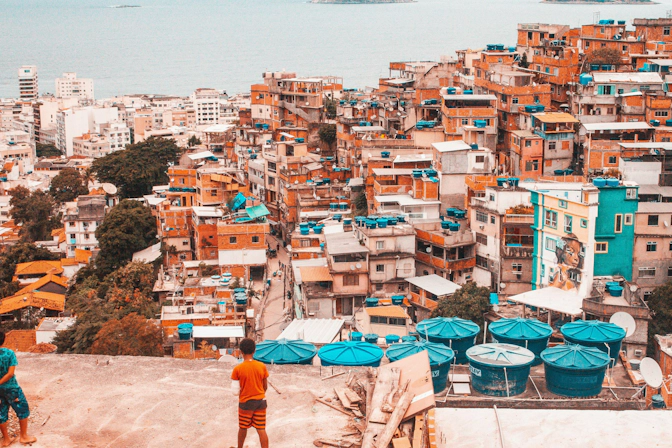
Favela-Adjacent Areas: Drug trafficking organizations control these territories, and police conduct operations that can turn violent. The U.S. State Department rates Brazil overall as Level 2 (Exercise Increased Caution), while the U.S. Embassy separately classifies favelas and informal housing developments as Level 4 (Do Not Travel). Tourists who enter these areas for any reason face extreme safety risks.
Public Transportation: Visible cannabis use or possession on buses, trains, or metro systems is likely to trigger police intervention.
Traditional Misconceptions That Create Dangerous Situations
DAVIDSON LUNA
The Decriminalization Trap
Assuming that Brazil’s 40-gram decriminalization fully protects tourists seems logical until you understand the enforcement reality. The STF ruling does not contain a nationality-based carve-out, meaning the law technically applies to everyone. However, tourists face practical disadvantages: they may not be able to complete the administrative penalties (like educational courses or community service) that replace criminal prosecution, and immigration authorities operate under separate legal frameworks that could still result in consequences. Beyond all that, there’s simply no legal way to purchase cannabis in the first place.
The Street Vendor Illusion
Beach vendors and informal sellers offering cannabis in Rio may appear to provide easy access, but purchasing from these sources carries serious legal risk. Under Brazilian drug law, the distinction between personal use (Article 28) and trafficking (Article 33, carrying 5 to 15 years) depends on factors like quantity, circumstances, and the setting of the transaction. Tourists also face personal safety risks, as these transactions can be connected to trafficking organizations.
The Medical Cannabis Myth
Assuming that medical cannabis cards from home countries (like U.S. state cards) provide any protection in Brazil is dangerous. Brazilian medical cannabis access runs through ANVISA’s regulatory framework, which requires a prescription from a legally qualified professional and, for imported products, a multi-week authorization process. Foreign medical cannabis documentation has no legal standing in Brazil.
Legal Reality Check: What Actually Changed in 2024 to 2026
WILLIAM F SANTOS
June 2024: STF Decriminalization Ruling
The landmark STF ruling established:
- 40-gram possession threshold for personal cannabis use (administrative offense, not criminal)
- Six female plants maximum for personal cultivation
- Penalties shifted to warnings, educational courses, and community service under Article 28 of Law 11.343
- No change to purchase/sale laws: recreational sales remain completely illegal under Article 33
January/February 2026: ANVISA Medical Framework
ANVISA approved new rules on January 28, 2026 and published them on February 3, 2026, with the framework taking effect six months after publication:
- Authorized domestic cannabis cultivation for medicinal purposes, with a 0.3% THC threshold for cultivation/production
- Expanded pharmacy access for prescribed cannabis products
- Compounding pharmacies (farmácias magistrais) were admitted in principle, but ANVISA noted that a separate, specific rule is still needed before compounding can actually begin
- Permitted imports of cannabis plant material for domestic production
- The 2026 update also broadened access to products above the 0.2% THC threshold that applies at the patient-product level, though the details differ from the 0.3% cultivation threshold
Enforcement Reality by Location
F CARY SYNDER
Rio de Janeiro: High-Risk Tourist Zones
Copacabana & Ipanema Beaches
- Tourist-oriented police units (such as BPTur) actively patrol beachfront areas
- Visible cannabis use can trigger police action
- Street purchases risk trafficking charges under Article 33 (5 to 15 years)
- Personal safety risks are elevated during informal transactions
Santa Teresa & Lapa (Bohemian Districts)
- Historic cannabis culture in art/music scenes creates a false sense of safety
- Police operations do occur despite the neighborhood’s cultural reputation
- Cafes and bars do NOT serve cannabis legally: any offers are illegal
- Tourists can be caught up in enforcement actions even for small amounts
Favelas (Informal Housing Areas)
- The U.S. Embassy classifies these as Level 4: Do Not Travel (note: the country-level advisory for Brazil is Level 2)
- Controlled by drug trafficking organizations with violent enforcement
- Police conduct operations that create dangerous situations for bystanders
- Even guided tours cannot guarantee safety from cannabis-related incidents
São Paulo: Urban Enforcement Patterns
General Profile:
- Active enforcement in public spaces, with generally consistent policing across neighborhoods
- Language barriers increase risk of misunderstanding during police interactions
High-Risk Areas:
- Centro/Luz district (Cracolândia): major drug market area; avoid entirely
- Public transportation: visible cannabis triggers police intervention
- Tourist attractions (Paulista Avenue) have active police presence
Lower-Profile Areas:
- Jardins/Pinheiros neighborhoods: less aggressive enforcement, but cannabis remains illegal
- Vila Madalena (art district): cultural acceptance doesn’t equal legal protection
Penalty Framework for Tourists

BRAZIL POLICE
Administrative Penalties (Under 40g Possession)
Under Law 11.343, Article 28, personal cannabis possession (up to 40 grams per the STF ruling) is treated as an administrative offense, not a crime. The law provides three possible penalties: a warning about the effects of drug use, community service, and an educational measure or course. Notably, Article 28 does not prescribe monetary fines for personal-use possession, despite what some travel guides claim.
For tourists specifically, the practical picture is murkier. While the STF ruling does not contain a nationality-based exception, short-term visitors may face practical difficulties completing community service or educational programs. How immigration authorities handle such cases is a separate question governed by Brazil’s Migration Law, which distinguishes between deportation (for irregular migratory status) and expulsion (tied to final criminal convictions). A personal-use administrative offense does not automatically trigger deportation, but the interaction between drug enforcement and immigration proceedings introduces uncertainty that tourists should take seriously.
Criminal Charges (Trafficking Suspicion)
If police determine that possession circumstances suggest sales intent (based on quantity, packaging, cash, location, and other contextual factors), charges escalate from Article 28 to Article 33:
- 5 to 15 years imprisonment for drug trafficking
- Potential travel ban upon conviction
- Possible asset seizure depending on the circumstances
Regarding jurisdiction: Law 11.343 assigns federal jurisdiction when illicit conduct is transnational in nature. Simply crossing state lines within Brazil does not automatically trigger federal charges.
Immigration Consequences
Foreigners face additional uncertainty regardless of amount:
- Potential detention during investigation of any cannabis possession
- Possible immigration proceedings depending on the circumstances and outcome
- Risk of entry restrictions for future Brazil travel
- Potential impact on visa applications for other countries
The key takeaway: while small-amount personal possession is decriminalized and not automatically grounds for deportation, the legal uncertainty and practical complications make any cannabis involvement a serious risk for tourists.
Medical Cannabis Access: Practical Barriers for Tourists

Photo courtesy of Veriheal
Current Framework (As of 2026)
Who Can Theoretically Access:
- Any patient with a prescription from a legally qualified professional
- The ANVISA materials reviewed do not explicitly state a Brazilian residency requirement for the import authorization pathway
How the System Works:
- Physician consultation with a professional authorized to prescribe in Brazil
- ANVISA authorization for imported products (estimated processing time: up to 20 days according to the ANVISA service page)
- Pharmacy purchase of ANVISA-registered products available at pharmacies and drogarias by prescription
- Products available: CBD oils and other cannabis-derived formulations sold through authorized channels
- Authorized imports can be presented at ANVISA posts in airports and border areas with the relevant prescription and authorization documentation
Why Tourists Face Enormous Practical Barriers: While there may not be an explicit legal residency requirement, the reality for short-term visitors is that the system is extremely difficult to navigate: obtaining a prescription from a Brazilian-authorized professional, waiting up to 20 days for ANVISA import authorization, and finding authorized pharmacy locations all require time, local knowledge, and Portuguese language skills that most tourists simply don’t have. Foreign medical cannabis cards or prescriptions have no legal standing in Brazil’s system.
CBD and Hemp Products: Import Rules
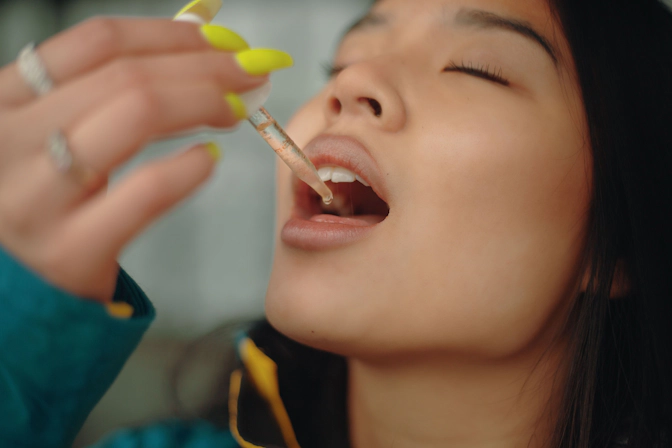
Customs Reality at Brazilian Airports
ANVISA operates an authorization-based pathway for personal import of cannabis-derived products. With proper advance authorization (valid for two years), patients can bring prescribed cannabis products through ANVISA posts at airports and border areas by presenting their prescription and authorization.
Without Prior ANVISA Authorization (the situation most tourists are in):
- CBD oils, hemp-derived edibles, tinctures, and cannabis vaporizer cartridges are all subject to confiscation
- “Legal hemp” products from other countries do not have automatic legal status in Brazil
- Quantities suggesting sales intent could trigger criminal charges
The Authorization Process (For Reference):
- Requires a prescription from a legally qualified professional
- ANVISA estimates processing of up to 20 days
- Authorization is valid for two years once granted
- Authorized products must be presented at ANVISA airport/border posts with documentation
The bottom line: without going through this advance authorization process, bringing CBD or cannabis products into Brazil is not legally protected, regardless of the product’s legal status in your home country.
Safety Recommendations for Tourists

LUKE PORTER
DO:
- Research Brazilian drug laws before travel
- Avoid all cannabis during your Brazil visit
- Use legal alternatives (alcohol is legal for those 18+)
- Enjoy Rio’s wellness culture (yoga, beaches, nature)
- Keep emergency contacts handy (U.S. Consulate Rio: +55-21-3823-2000)
DON'T:
- Purchase from street vendors (risk of trafficking charges)
- Accept cannabis from strangers (potential legal setup or safety risk)
- Visit favelas seeking cannabis (extreme violence risk)
- Bring CBD from home without ANVISA authorization (likely confiscation)
- Assume decriminalization equals legalization (purchase is still illegal)
- Rely on foreign medical cards (they carry no legal weight in Brazil)
Herb Stands Apart in Cannabis Education

SHOT BY CERQUEIRA
While Brazil’s legal landscape prevents tourists from accessing cannabis products, Herb provides essential educational resources that help cannabis consumers understand the plant regardless of their location. Unlike generic travel guides that might provide dangerous misinformation about international cannabis access, Herb’s commitment to accurate, science-backed education ensures you understand both the legal realities and the plant itself.
Herb delivers unique advantages specifically designed for cannabis consumers seeking knowledge and community:
- Comprehensive Strain Guides: Detailed profiles of thousands of strains with effects, flavors, and genetic information to understand cannabis varieties even when they’re not legally accessible
- Educational Content: From beginner guides to advanced consumption techniques, Herb’s content helps you understand cannabis science and culture
- Cannabis News and Legalization Updates: Stay informed about global developments and legal changes that might affect future travel
- Product Knowledge: Learn about cannabis products and their effects through unbiased educational content
- Community Resources: Connect with the cannabis community that shares experiences and knowledge across 14 million members
For travelers serious about understanding cannabis while respecting local laws, Herb’s educational approach provides the knowledge needed to make informed decisions and appreciate cannabis culture responsibly, even when legal access isn’t available.
Frequently Asked Questions
Is it completely legal to use cannabis in Brazil as a tourist?
No, recreational cannabis use remains completely illegal for purchase in Brazil. While the STF decriminalized personal possession up to 40 grams in June 2024, this administrative distinction doesn’t create legal access for anyone, tourist or resident. The ruling does not contain a nationality-based exception, but tourists face practical disadvantages: they may struggle to complete the administrative penalties (warnings, educational courses, community service) that replace criminal prosecution, and immigration authorities operate under separate legal frameworks.
What's the difference between decriminalization and full legalization in Brazil?
Decriminalization means possession of small amounts (up to 40 grams) is treated as an administrative offense rather than a criminal one, with penalties like warnings, community service, or educational courses instead of jail time. However, purchase, sale, and large-scale cultivation remain completely illegal. Full legalization would create leg
Can I buy cannabis from a dispensary in Rio or São Paulo?
No, there are no legal cannabis dispensaries in Brazil. Recreational cannabis sales remain completely illegal nationwide, and medical cannabis access requires a prescription from an authorized professional and runs through ANVISA’s regulatory framework. Any offers of cannabis for sale, from street vendors, social connections, or establishments, are illegal and could trigger trafficking charges under Law 11.343, Article 33.
What are the typical penalties for possessing a small amount of cannabis in Brazil?
Under Article 28 of Law 11.343, personal possession of cannabis (up to 40 grams per the STF ruling) is an administrative offense carrying three possible penalties: a warning about drug effects, community service, and an educational measure or course. Importantly, the law does not prescribe monetary fines for this offense. For tourists, the situation is complicated by the intersection with immigration law, though small-amount personal possession is not automatically grounds for deportation. The practical risks include detention during investigation, difficulty completing administrative penalties, and potential immigration complications.
Are there any specific areas in Rio or São Paulo where cannabis use is more accepted?
While neighborhoods like Santa Teresa and Lapa in Rio have historic cannabis culture in their art and music scenes, and Vila Madalena in São Paulo has bohemian acceptance, police enforcement remains a reality in all these areas. Cultural acceptance doesn’t equal legal protection: cannabis possession remains an administrative offense and purchase remains illegal everywhere in Brazil. Tourists are particularly vulnerable in these areas because the relaxed atmosphere can create a false sense of legal safety.
What should I do if a police officer stops me for cannabis possession?
If stopped by police for cannabis possession in Brazil, remain calm and cooperative. Do not admit to purchase or trafficking intent, as this could shift the interaction from an Article 28 (personal use) matter to an Article 33 (trafficking) investigation. Request to contact your country’s embassy or consulate immediately. The U.S. Consulate in Rio can be reached at +55 (21) 3823-2000. Do not attempt to bribe officers, as this constitutes an additional criminal offense. Remember that how your situation is handled will depend on the specific circumstances, the amount involved, and the officers’ assessment of intent.
Herb Recommended Products:
READ MORE