How to Buy Weed in Cancun: Mexico’s Biggest Tourist Trap, Cannabis Gray Area & What’s Actually Safe
Mexico's cannabis laws are a confusing legal gray area, not a green light. Here's how to understand the real risks, avoid common tourist scams, and find legitimate CBD alternatives in Cancun.
Every year, thousands of tourists arrive in Cancun expecting the same cannabis access they enjoy in legal U.S. states or Canada, only to fall victim to elaborate scams, corrupt police shakedowns, and fake products. Despite a 2021 Supreme Court ruling that declared Mexico’s absolute ban on adult personal cannabis use unconstitutional, the reality on the ground couldn’t be more different. No legal recreational dispensaries exist anywhere in Mexico, and tourists face significant legal and safety risks attempting to purchase cannabis. This guide cuts through the confusion to help you understand what’s actually happening in Cancun’s cannabis scene and how to protect yourself.
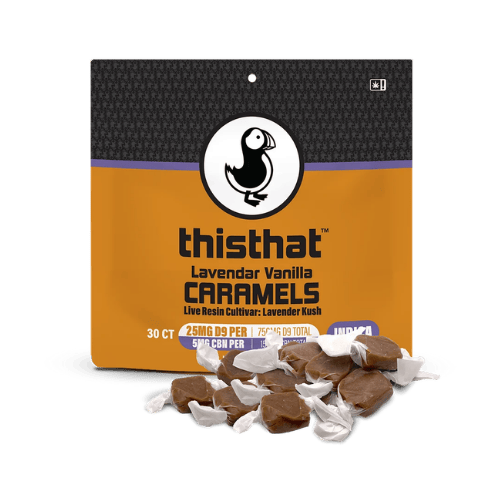
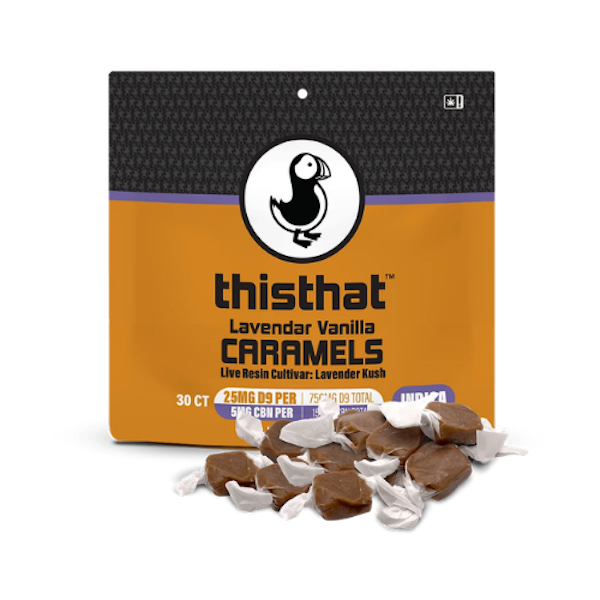
Here’s what to have waiting when you’re back in a legal state. thisthat Live Resin D9 Caramels are slow-cooked, buttery, and built to a completely different spec than gummies. Each piece contains 25mg of hemp-derived Delta-9 live resin, and the cream and butter serve as carriers. That slower absorption means the plateau is longer.
They’re also tuned by strain. The Sativa comes as Hawaiian Sea Salt with 5mg CBG. The Indica is Lavender Vanilla with 5mg CBN. The Hybrid is a classic buttery caramel, balanced and all-occasion.
Available as a 1-piece sampler, a 5-pack, or a 30-piece bag. Grab yours today.
Mexico’s Supreme Court declared the absolute ban on adult personal cannabis use unconstitutional in June 2021 by an 8-3 vote, but no legal retail framework exists and Congress has never passed comprehensive legislation.
The U.S. Embassy states that marijuana remains illegal under Mexican federal law, and the court’s ruling creates no special protection for tourists.
Zero legal recreational dispensaries operate in Cancun or anywhere in Mexico. Any shop calling itself a “dispensary” is misleading you.
CBD products with low THC content may be lawfully marketed if they meet Mexican health regulations, but compliance shouldn’t be assumed from labeling alone.
Traveler reports and travel-safety coverage describe recurring scam patterns involving street dealers, fake officials, and inflated on-the-spot “fines.”
Public smoking and vaping became prohibited in many public spaces nationwide starting in January 2023.
Emergency contacts: Mexico 911, Tourist Assistance 078, U.S. Citizens Emergency: +52-55-8526-2561 (verify current numbers before travel)
Understanding Mexico's Cannabis Laws: Tourist vs. Local
braden collum
The gap between what Mexican law technically allows and what tourists actually experience creates dangerous confusion. Understanding this disconnect is essential before setting foot in Cancun.
Is Cannabis Legal in Mexico?
The short answer: it’s complicated. In June 2021, Mexico’s Supreme Court issued a Declaratoria General de Inconstitucionalidad declaring the absolute ban on adult personal cannabis use unconstitutional and ordering health authorities to process individual permits for personal use. However, Congress has never created a legal commercial cannabis market, leaving Mexico in a constitutional and legislative gray area.
This ruling created a legal limbo, not a green light:
No “dispensaries” legally operate: any business using this term is misleading customers
Public consumption remains restricted: smoking or vaping cannabis in many public settings is prohibited
Tourist status creates additional uncertainty: the ruling addresses individual constitutional permits for Mexican applicants, not a general allowance, and authorities continue to enforce drug laws against visitors regardless of the court’s decision
What Are the Possession and Permit Rules?
Sources often cite conflicting possession figures, which adds to the confusion:
Older informal threshold: A 5-gram figure has circulated in older guidance and reporting, though it isn’t the operative legal standard today
Court-ordered permits: Following the 2021 ruling, COFEPRIS processes individual sanitary authorizations that let permit holders cultivate, possess, and transport cannabis for personal use, but Congress has not enacted a nationwide recreational possession limit
Practical tourist threshold: Any amount carries legal risk, since these individual permits are not designed for foreign visitors
The safest assumption? Treat any cannabis possession as legally risky regardless of the amount.
Consequences for Tourists
The U.S. Embassy’s guidance is direct: marijuana remains illegal under Mexican federal law, and Mexico’s constitutional ruling creates no special exception for foreign visitors. In practice, tourists should not assume the ruling protects them, and authorities continue to enforce drug laws against visitors.
Tourists caught with cannabis face:
Immediate detention and police interrogation
Potential extortion demands from corrupt officers
Fines, jail time, or deportation, depending on the amount and circumstances
Criminal record affecting future travel
Loss of vacation time dealing with legal proceedings
Unlike places with established cannabis programs, Mexico offers tourists no legal protection for cannabis possession.
The Reality of Buying Cannabis in Cancun's Hotel Zone
zach kessinger
Walk down Boulevard Kukulcán in Cancun’s Hotel Zone, and you’ll encounter offers for cannabis within hours, sometimes minutes. Understanding why these offers exist and who’s making them helps you avoid serious problems.
Are There Actual Dispensaries?
No. COFEPRIS has confirmed that the Supreme Court’s ruling does not authorize the commercialization, sale, or distribution of cannabis anywhere in Mexico. Any shop calling itself a “dispensary” or advertising “premium cannabis” with THC content is either:
Operating outside the law
Selling CBD products while using misleading marketing
Setting up customers for scams
The businesses that do exist typically market themselves as CBD or hemp shops. Products with very low THC content may be lawfully sold if they meet Mexican health regulations and applicable COFEPRIS requirements, but compliance shouldn’t be assumed from a shop’s marketing claims alone.
Dangers of Street Buys
Street dealers approach tourists throughout the Hotel Zone, beaches, and Mercado 28 market. The pitch usually sounds something like: “Cocaine, hash, weed, we have everything.”
Travelers and travel-safety coverage describe a recurring pattern, though experiences vary:
Tourist purchases a product from a street vendor
Within minutes, “police” (corrupt or fake) appear
Officers demand a large cash “fine” to avoid arrest
In some reported cases, the dealer and the officer appear to be coordinating, though this can’t be confirmed as universal
Beyond the scam risk, products sold this way are commonly reported to contain:
Oregano or other plant material instead of cannabis
Adulterated substances of unknown composition
Quality that doesn’t match the price
Unknown chemicals or additives
Learning to spot fake products matters everywhere, but in Cancun, the stakes include your freedom and safety, not just product quality.
Undercover Operations and Corruption
Cancun’s cannabis scene has been linked to a recurring pattern of scams and extortion attempts targeting tourists, according to traveler reports and travel-safety coverage. Several parties are commonly described as playing a role:
Street dealers, who, traveler reports say, may earn something for directing buyers toward further transactions
Corrupt officers, who multiple traveler and media reports describe extracting cash “fines” from tourists caught with drugs
Fake officers, reported to impersonate law enforcement, demand money
Some taxi drivers, according to a portion of traveler reports, direct passengers toward street sellers, though this isn’t universal
This reported pattern means every cannabis transaction carries some risk of becoming a scam, regardless of the seller’s apparent friendliness or the product’s apparent quality.
Is It Safe to Explore Cancun with Cannabis? Navigating Tourist Areas
Even if you somehow obtained cannabis safely, using it in Cancun presents additional challenges that make the entire proposition questionable.
What to Do if Approached by Police
oscar de la lanza
If Mexican police stop you, legitimately or as part of a shakedown, your response matters significantly:
Stay calm and respectful. Escalating the situation never helps.
Request specific information:
Badge number and full name
Written citation for any alleged offense
To resolve the matter at the nearest police station
Know the difference between legitimate and illegitimate stops:
Legitimate Police Stop
Likely Scam/Extortion
Shows badge and ID clearly
Refuses to show credentials
Offers written citation
Demands cash immediately
Provides receipt for any payment
No paperwork provided
Allows you to call lawyer or embassy
Pressures for instant resolution
Takes you to station for serious matters
Resolves everything "on the street"
Shows badge and ID clearly
Likely Scam/Extortion
Refuses to show credentials
Never offer bribes: this can worsen your situation legally. If you feel threatened, call 911 or the tourist assistance line at 078
Staying Discreet in Public
Since January 2023, Mexico has expanded smoke-free spaces nationwide. Smoking or vaping of any kind, including tobacco, is now prohibited in many public places, including numerous beaches, parks, restaurants, hotels, and gathering areas. In practice, this means:
Smoking or vaping is restricted at many beaches and outdoor gathering spots
No consumption in hotel common areas
Restrictions apply on many streets, sidewalks, and public spaces
No consumption in restaurants, bars, or clubs
Violations can result in fines, but more commonly, they attract the attention of corrupt officers looking for easy extortion targets.
Where to Avoid
Areas where traveler reports and travel-safety coverage most frequently describe cannabis-related scams and enforcement include:
Cancun International Airport: Traveler reports describe aggressive vape and CBD-related extortion attempts
Mercado 28: Street dealers are commonly reported to operate openly in this area
Hotel Zone beaches at night: Persistent hawkers and limited security presence, per traveler accounts
Boulevard Kukulcán after dark: Dealers are reported to target club-goers and intoxicated tourists
Unlicensed taxi stands: Some traveler reports describe drivers connected to informal scam networks
Beyond the Hotel Zone: Is Cancun Safe from Cartels?
ash saribekyan
Cannabis tourists sometimes minimize cartel concerns, assuming small personal purchases don’t intersect with organized crime. This assumption underestimates how drug markets actually function.
Understanding Cartel Presence
Organized crime has historically played a significant role in illicit drug distribution in Mexico, including at the street level. Cannabis tourists sometimes assume small personal purchases sit outside that system, but street-level transactions can ultimately connect to broader distribution networks.
The Quintana Roo region, which includes Cancun, has experienced periodic violence related to territorial disputes between criminal organizations. While tourists rarely become direct targets of cartel violence, participating in drug transactions increases exposure to these networks.
Areas to Exercise Caution
The U.S. State Department maintains travel advisories for various Mexican states. While Quintana Roo (Cancun’s state) generally receives lower warning levels than border regions, specific guidance applies:
Exercise increased caution throughout the state
Avoid travel after dark in non-tourist areas
Use only official taxi services and transportation
Stay aware of your surroundings in crowded areas
How Drug Activity Impacts Tourist Safety
Drug transactions can create vulnerability beyond the transaction itself:
Showing cash or willingness to buy can mark you as a target
Some traveler reports describe dealers following buyers to learn where they’re staying, though this isn’t universal
In some reported cases, information about buyers appears to circulate among local scam networks
Subsequent robbery or extortion attempts have been reported to follow
Treating any drug offer with caution is a reasonable approach, since some such offers have been linked to scams or theft targeting tourists.
Mexico Travel Advisories: What the Warnings Actually Mean for Tourists
joseph barrientos
U.S. State Department travel advisories provide official guidance that affects everything from insurance coverage to emergency assistance availability. Advisory levels change periodically, so confirm the current status before you travel.
Decoding Travel Advisory Levels
Mexico receives different advisory levels by region:
Level 1 (Exercise Normal Precautions): No states are currently at this level
Level 2 (Exercise Increased Caution): Includes Quintana Roo (Cancun) as of this writing
Level 3 (Reconsider Travel): Several states, including neighboring Tabasco
Level 4 (Do Not Travel): Border regions and high-conflict states
Cancun’s Level 2 status means the U.S. government currently considers it relatively safe for tourists who exercise normal precautions, but that assessment assumes you’re not engaging in illegal activities like drug purchases.
Impact on Insurance and Assistance
Travel insurance policies typically exclude claims arising from illegal activities. If you’re arrested, injured, or robbed during a cannabis transaction:
Register with STEP (Smart Traveler Enrollment Program) for emergency notifications
Download offline maps and save emergency contact numbers
Keep your embassy’s contact information accessible
Practical Cancun Travel Guide: Staying Safe and Savvy
fernando garcia
Whether or not cannabis is part of your travel plans, these safety practices protect you throughout your Cancun visit.
Researching Before You Go
Understand Mexico’s laws: a constitutional ruling isn’t the same as a legal retail market
Leave all cannabis products at home, including medical marijuana
Don’t pack vapes or CBD in luggage, since even legal products can invite scrutiny
Research legitimate CBD shops if you want legal alternatives
Save emergency numbers in your phone before departure
Protecting Your Valuables
Use hotel safes for passports, extra cash, and electronics
Carry minimal cash when exploring
Keep copies of important documents separately from originals
Avoid displaying expensive jewelry or electronics
Use ATMs inside banks or hotels rather than street machines
Using Official Services
Book transportation through your hotel or verified apps
Use marked official taxis from designated stands
Verify tour operators through hotel concierges
Avoid “deals” offered by strangers on the street
Keep receipts for all significant purchases
Legitimate CBD Alternatives: What Tourists Can Actually Buy
If you’re seeking legal cannabis-related products in Cancun, CBD and hemp products with low THC content may be lawfully marketed if they comply with Mexican health regulations and applicable COFEPRIS requirements. Compliance isn’t guaranteed by THC content or labeling alone, so review the guidance below before purchasing.
CBD and Hemp Shops in the Hotel Zone
The following retailers advertise CBD or hemp products. Herb has not independently verified their regulatory compliance, so consumers should confirm compliance with Mexican health regulations directly before purchasing.
Cancun Weed Smokeshop
Address: Boulevard Kukulcán, Punta Cancún, Zona Hotelera, 77500 Cancún, Q.R.
Notes: English-speaking staff reported accepting USD and credit cards, and offers delivery to hotels
Mr Charly Tours (Guided Shop Experience)
Address: Boulevard Kukulcán 9, Cancun 77500
Service: Guided visits to CBD and hemp shops
Focus: Education about legal vs. illegal products
Notes: Advertises “no illegal substances”; may appeal to cautious tourists, though independent verification is still worthwhile
Downtown Cancun Options
Highway 4*20 Smokeshop
Location: Cancún, Quintana Roo (verify exact address via Google Maps)
Products: CBD products, vaporizers, accessories
Notes: Popular with locals, may have less English support
Panda Vape (Avenida Tulum)
Location: Avenida Tulum, Cancún
Products: CBD vapes, oils, devices
Notes: Budget-friendly compared to Hotel Zone prices
What to Look for in Legal Products
Legitimate CBD products should feature:
Clear labeling showing CBD content and low THC levels
Branded packaging (not generic bags)
COFEPRIS compliance information
Staff who can explain Mexican health standards
Proper receipts
Worth noting: COFEPRIS has previously warned about counterfeit registrations, so a printed COFEPRIS number alone doesn’t guarantee a product is compliant. Understanding cannabis product labels helps you identify legitimate products from questionable ones, skills that transfer to any market you visit.
Comparing Cancun to Other Destinations: Is It Safe to Travel to Cabo Right Now?
loris boulinguez
Tourists often compare Mexican beach destinations when planning trips. Cannabis access and safety considerations vary by location.
Cabo vs. Cancun: A Safety Comparison
Both destinations share the same legal framework: no recreational dispensaries exist anywhere in Mexico. However, regional differences affect tourist experience:
Cancun (Quintana Roo):
Higher tourist volume creates more scam opportunities
Larger Hotel Zone means more ground for hawkers to cover
More nightlife options attract dealers targeting club-goers
Level 2 travel advisory as of this writing
Cabo San Lucas (Baja California Sur):
Smaller tourism footprint with reportedly less aggressive hawking
Different cartel territorial dynamics
Level 2 travel advisory as of this writing
Similar legal status: no dispensaries, comparable risks
In all honesty, neither city has a legal retail route. The differences are about risk profile rather than access. Cabo being calmer doesn’t make buying there a good idea.
Which makes edibles the sensible plan for when you’re home in a legal state.Binoid’s Master Blend Gummies blend THC-P, THCA, and PHC at 1,300mg total, with no smell, no smoke, and nothing to explain. Raspberry Citrus, $35.99 down from $59.99. Just be sure to dose carefully. A quarter to half a piece is the perfect starting point.
Important: Hemp laws in the United States are subject to change. The 2018 Farm Bill framework under which these products are sold is set to change in November 2026. Verify the current legal status of products in your state before purchasing.
Factors Influencing Regional Safety
Regional safety depends on multiple factors beyond cannabis laws:
Local law enforcement culture and corruption levels
Cartel territorial stability or conflict
Tourism infrastructure and security investment
Proximity to the U.S. border
Making Informed Decisions
For cannabis-friendly travel, Mexico currently doesn’t offer safe legal access comparable to U.S. states, Canada, or countries like Portugal. Tourists seeking legal cannabis experiences should consider destinations with established retail frameworks rather than attempting to navigate Mexico’s gray area.
Why Herb Is Your Best Resource for Cannabis Information
jarritos
While this guide focuses on what NOT to do in Cancun, Herb provides comprehensive resources for cannabis consumers in legal markets worldwide.
What Makes Herb Different:
An engaged community sharing real experiences and insights
A comprehensive strain database with detailed effects information
Educational cannabis content covering beginner to advanced topics
Industry news keeping you informed about legalization developments worldwide
Whether you’re researching consumption methods, exploring new strains, or staying updated on cannabis policy changes that might affect your travel plans, Herb’s educational platform provides trustworthy information without the hype or misinformation that dominates cannabis media.
For travelers planning future trips to cannabis-legal destinations, Herb’s resources help you:
Sign up for Herb’s newsletters to stay informed about global cannabis developments, including potential changes to Mexico’s legal landscape.
Final Verdict
Cancun offers incredible beaches, resorts, and nightlife, but cannabis access isn’t part of a safe itinerary. Here’s how the decision breaks down:
Hoping to buy cannabis in Cancun? Don’t. There is no legal recreational market, and the risks range from counterfeit products to genuine arrest, with reported scam patterns throughout the Hotel Zone.
Want a legal cannabis-adjacent product? Some Hotel Zone and downtown shops market CBD or hemp items with low THC content, but verify compliance with Mexican health regulations yourself rather than relying on a shop’s own claims.
Approached by a street dealer or someone claiming to be police and demanding cash? Stay calm, decline, ask for credentials and paperwork, and head toward a public, populated area rather than negotiating on the spot.
Wondering if the 2021 Supreme Court ruling protects you as a visitor? It doesn’t function that way in practice. The ruling created individual permits for Mexican applicants, not a general tourist allowance, and the U.S. Embassy’s guidance that marijuana remains illegal under Mexican federal law is the operative reality for visitors.
Want a genuinely legal cannabis travel experience instead? Herb’s guides to established markets in the U.S. and Canada and other regulated destinations offer what Cancun currently cannot.
The honest answer to “how to buy weed in Cancun” is: legally, tourists largely can’t, and unofficially, the risk-reward math is poor. Enjoy the beaches, skip the street offers, and stick to established CBD retailers if you want a legal alternative.
Frequently Asked Questions
What is the official legal status of cannabis in Mexico for tourists?
In June 2021, Mexico’s Supreme Court declared the absolute ban on adult personal cannabis use unconstitutional and ordered health authorities to process individual permits for personal use. Congress has never created a legal commercial cannabis market, and the U.S. Embassy states that marijuana remains illegal under Mexican federal law. Tourists should not assume the ruling protects them, since it addresses individual permits rather than a general allowance, and authorities continue to enforce drug laws against visitors. Tourists caught with cannabis risk detention, fines, or other legal consequences depending on amount and circumstances, with no special legal protection under Mexican court rulings.
Are there any legal dispensaries for recreational cannabis in Cancun?
No legal recreational cannabis dispensaries operate in Cancun or anywhere in Mexico. COFEPRIS has confirmed the Supreme Court’s ruling does not authorize commercial sale or distribution of cannabis. Any business advertising itself as a “dispensary” or claiming to sell THC products is either operating outside the law or using misleading marketing to sell CBD or hemp products. Some shops in Cancun’s Hotel Zone advertise low-THC CBD products, but compliance with Mexican health regulations should be independently verified rather than assumed from labeling or marketing claims.
What are the common risks involved when trying to buy cannabis in Cancun?
Traveler reports and travel-safety coverage describe several recurring risks, including scams where street dealers, and in some cases corrupt or fake officials, attempt to extort money from tourists; airport-area vape or CBD confiscation attempts; counterfeit or unsafe products sold as cannabis; increased vulnerability to theft after showing willingness to buy; and the possibility of genuine arrest with lasting legal consequences. Not every cannabis offer in Cancun’s tourist areas leads to a scam, but the pattern is reported often enough that caution is warranted.
How do current Mexico travel warnings apply specifically to Cancun and potential drug-related issues?
Cancun falls under a Level 2 “Exercise Increased Caution” advisory from the U.S. State Department as of this writing, which is relatively moderate compared to other Mexican regions; confirm the current level before you travel, since advisories change. This advisory assumes tourists aren’t engaging in illegal activities. Travel insurance typically excludes claims arising from illegal activities, meaning if you’re arrested, injured, or robbed during a cannabis transaction, your coverage may be voided, legal fees likely won’t be covered, medical evacuation coverage may be denied, and embassy assistance has limitations when illegal activity is involved.
What steps can I take to ensure my safety while visiting Cancun, especially regarding legal gray areas?
The most effective safety measures include avoiding cannabis transactions entirely and sticking to legal CBD products from established shops; giving a firm “no” to dealer approaches and continuing to walk without engaging; never following strangers to secondary locations; if stopped by police, remaining calm, requesting badge numbers and written citations, and asking to resolve matters at the police station rather than paying on-street “fines”; saving emergency numbers including 911 and tourist assistance at 078 (verify current embassy contact numbers before travel); using only official transportation services; and avoiding displaying cash or valuables.
This article is for informational purposes only and does not constitute legal advice. Cannabis laws vary by jurisdiction and are subject to change. Always verify current regulations with official sources before traveling. Herb does not encourage the purchase or use of cannabis in jurisdictions where it is illegal.