How to Buy Weed in Thailand: What Tourists Need to Know After the 2026 Regulations
Understanding the new medical-only framework, prescription requirements, and legal pathways for tourists in 2026
Herb
January 23, 2026
This article contains sponsored content. Some of the products featured are part of paid partnerships. This page explains how our process works.

Herb
Understanding the new medical-only framework, prescription requirements, and legal pathways for tourists in 2026
January 23, 2026
Every missed opportunity to understand Thailand’s evolving cannabis regulations means risking legal trouble, overpaying for products, or missing out on the country’s unique cannabis culture entirely. With Thailand tightening controls on cannabis in June 2025, requiring doctor prescriptions for cannabis flowers and positioning use as medical-only under the Health Ministry’s updated rules, the solution isn’t avoiding cannabis altogether—it’s understanding the new legal landscape and working within proper medical channels. Whether you’re exploring Bangkok’s vibrant districts, Phuket’s tropical beaches, or Chiang Mai’s cultural sites, understanding how to legally access cannabis requires knowing the right steps, verified service providers, and current regulations.

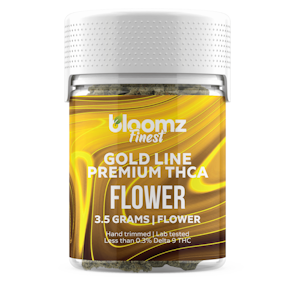
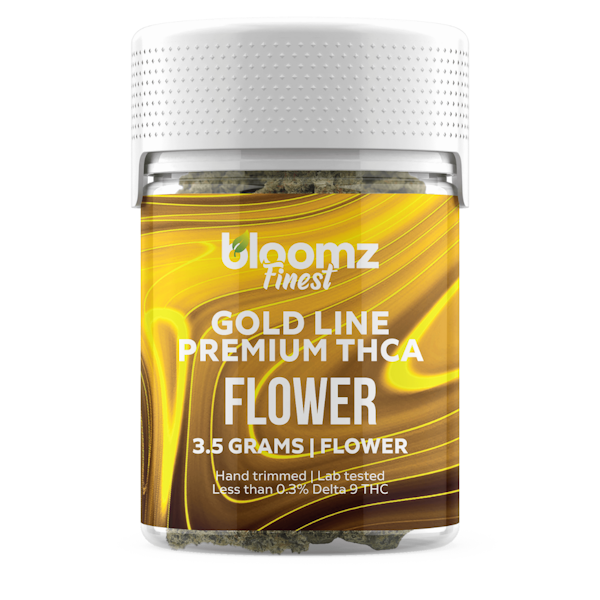
Thailand’s market is a moving target. Pricing, quality, and enforcement all shift by province. If you’d rather have one thing that’s predictable, Bloomz Gold Line is boutique indoor flower at a fixed $37.99 an eighth, down from $89.99, across 25 strains. Waiting at home, no risk required. Code HERB25 takes 25% off.
Legality varies by state, and a narrower federal hemp definition is scheduled to take effect on November 12, 2026; check state laws before purchasing cannabinoid-containing products.

Geoff Greenwood

PH NG
Your cannabis experience in Thailand depends entirely on understanding the dramatic regulatory shift that occurred in 2025. After becoming the first Asian country to decriminalize cannabis in 2022, Thailand saw an instant boom with tens of thousands of retailers, with later reporting citing about 18,000 licensed dispensaries. However, concerns about unregulated access and public consumption led to a complete reversal.
On June 26, 2025, Thailand tightened controls on cannabis inflorescence via the health ministry’s Notification on Controlled Herbs (Cannabis) 2025, requiring prescriptions and stricter compliance. This regulatory transformation means that recreational cannabis is now explicitly prohibited, and dispensaries can sell cannabis inflorescence (flowers/buds) only when the buyer presents an official PT 33 prescription form (valid for up to 30 days).
The impact has been significant: as of December 28, 2025, official figures cited in Thai reporting indicate 18,433 cannabis establishments, with 7,297 not renewing licenses—leaving an estimated 11,136 remaining in operation.
For tourists, this doesn’t mean cannabis is completely off-limits—it simply requires following the proper medical pathway through in-person consultations at licensed clinics. The legal landscape requires careful navigation to ensure compliance with Thailand’s adult-only cannabis regulations (restricted for minors under 20) and strict enforcement environment.

ROBIN NOGUIER
The root cause isn’t lack of access—it’s understanding the new regulatory framework and avoiding common pitfalls. With the dramatic shift from recreational to medical-only access, tourists face several challenges:
The demographics of cannabis tourism have also shifted fundamentally. What was once a casual recreational experience has become a regulated medical process, requiring tourists to approach cannabis consumption with the same seriousness as any other medical treatment.

Herb
Attempting to buy cannabis without a prescription seems logical until you understand the legal consequences. Beyond the risk of fines and potential jail time, you’ll encounter limited availability as unlicensed vendors have largely disappeared from the market.
Pre-2025 street vendors and informal sellers have mostly vanished due to strict enforcement. Those remaining operate illegally and pose significant risks including counterfeit products, no quality assurance, and legal exposure for both buyer and seller.
Many tourists arrive expecting to obtain prescriptions through online telemedicine platforms. However, Thailand’s compliance framework emphasizes paper-based PT 33 prescriptions, and dispensaries must retain prescriptions for inspection. Any “online-only” pathway should be treated as high legal risk unless confirmed by Thai authorities. This leads to frustration and potential legal trouble when tourists discover the in-person consultation requirements.

Sarah Reid Photo
Legal cannabis access in Thailand requires working through licensed medical facilities:
These in-person consultations provide legal compliance and proper medical documentation for purchasing cannabis flowers.

herb
Licensed practitioners can evaluate patients for various conditions that may qualify for medical cannabis access, including chronic pain, insomnia, anxiety, migraines, and loss of appetite. The consultation process involves a medical assessment and determination of appropriate treatment.

Herb
Locate licensed clinics in major tourist areas (Bangkok, Phuket, Chiang Mai) that offer consultations with English-speaking practitioners. Schedule appointments in advance when possible, and bring any relevant medical documentation that supports your condition. Document your prescription details and keep paper copies accessible, as Thailand’s compliance framework emphasizes paper-based PT 33 prescriptions.
Focus on verified licensed dispensaries that comply with current regulations. These locations have been authorized for compliance and quality, ensuring you receive GACP-certified products from legitimate sources. Verify dispensary licenses before purchasing, as operating status can change with evolving enforcement.
Plan your cannabis budget, knowing retail pricing varies widely by province, quality, sourcing, and enforcement environment. Expect significant cost variation across locations and product types. Higher-quality GACP-certified products may command premium prices due to compliance requirements.
The wider point about budgeting abroad is that you’re paying for uncertainty as much as product. Tourist pricing carries a markup you can’t verify, and quality varies with it.
It’s worth knowing what the fixed-price alternative costs for comparison. Bloomz THCA Flower Gold Line runs $37.99 for an eighth of small-batch indoor, or roughly $11 a gram. It’s not a substitute for the trip, but a useful benchmark when someone quotes you a number in Phuket. And perhaps the better options are waiting for you back home.
Important: Hemp laws in the United States are subject to change. The 2018 Farm Bill framework under which these products are sold is set to change in November 2026. Verify the current legal status of products in your state before purchasing.

John Mukiibi

Pariwat Srisuwan
While navigating Thailand’s complex cannabis regulations requires local knowledge, Herb delivers unique advantages specifically designed for cannabis consumers seeking quality, education, and community support.
Herb goes beyond basic dispensary listings with its comprehensive educational platform that includes:
Unlike generic travel guides or medical directories, Herb combines global cannabis knowledge with deep educational content, helping you make informed decisions about cannabis use regardless of your location. The platform’s commitment to cannabis education ensures you understand not just how to access cannabis legally, but how to evaluate quality, understand effects, and consume responsibly.
For travelers serious about navigating international cannabis regulations while expanding their cannabis knowledge, Herb’s comprehensive approach provides the tools and information needed to consume confidently and discover products that truly meet your needs.

Thailand’s cannabis market metrics highlight what distinguishes successful tourist access:
When tourists apply strategic approaches to cannabis access through proper medical channels, they can still enjoy Thailand’s unique cannabis culture while remaining fully compliant with current regulations.

Herb
No, cannabis is not completely illegal for tourists. While recreational use has been prohibited, medical cannabis access remains available through proper channels. Tourists can obtain valid PT33 prescriptions from licensed Thai practitioners through in-person consultations at authorized clinics, then purchase cannabis flowers/buds from licensed dispensaries. The key requirement is having a valid paper-based prescription—without it, cannabis possession is illegal.
Yes, tourists can still buy cannabis for medical reasons in Thailand. The process requires obtaining a PT33 prescription from a licensed Thai practitioner through in-person consultation at an authorized clinic. Common qualifying conditions include chronic pain, insomnia, anxiety, migraines, and loss of appetite. The prescription is valid for up to 30 days and allows purchase of cannabis flowers/buds from licensed dispensaries. Note that the regulation does not recognize teleconsultations/online prescriptions.
Thailand doesn’t publish a single THC % cap for cannabis flower in the way some countries do. However, tourists should note that extracts/products with more than 0.2% THC require permission/stricter handling. All products must come from GACP-certified cultivation sites and be sold through licensed dispensaries. The focus is on medical certification and proper sourcing rather than specific potency limits for flowers.
No, there are no designated public smoking zones for cannabis in Thailand. Consumption is strictly limited to private residences and must not be visible to the public. This includes hotel rooms (with permission from the property), private residences, or other enclosed private spaces. Smoking cannabis in public can be treated as a public nuisance, with penalties cited as up to ฿25,000 and/or up to 3 months under Public Health Act enforcement principles, so tourists should plan their consumption carefully and discreetly.
If you unknowingly violate cannabis laws in Thailand, cooperate fully with authorities and seek legal assistance immediately. Keep your prescription documentation accessible to demonstrate good faith compliance. For violations, penalties vary based on the nature and severity of the offense. Always carry your paper-based prescription and understand the regulations before consuming cannabis. Working with a local attorney familiar with Thai cannabis law is essential if legal issues arise.
Absolutely not. Tourists should not attempt to move cannabis across borders. Thailand’s tourism authority warns that possession/handling rules differ by product type, and extracts/products above 0.2% THC face stricter treatment. Cross-border movement is highly regulated and attempting to transport cannabis internationally remains illegal under both Thai and international law, regardless of your home country’s laws. Consume all cannabis products purchased in Thailand before departure, and never attempt to transport them across borders.