dry herb vape vs carts

planet of the vapes

Dry Herb Vape vs Carts — 6 Major Differences and How to Choose Between Them

They both vaporize cannabis, but the experience couldn't be more different. Here are the 6 things that actually matter when deciding between a dry herb vape and a cart.

Rachel Abela

April 10, 2026

The dry herb vape vs cart debate is hot… literally. Both heat cannabis. Both produce vapor. Both get you high. But the way they do it—and the way each one feels—is fundamentally different. The material is different (flower vs. concentrated oil), the hardware is different (a complete device vs. a cartridge that needs a battery), the effects are different, the cost structure is different, and the ritual of using each one isn’t even close to the same.

This guide breaks down six major differences between a dry herb vape vs cart so you can make an informed choice based on what actually matters to you.

product image

UniDyn

DynaVap

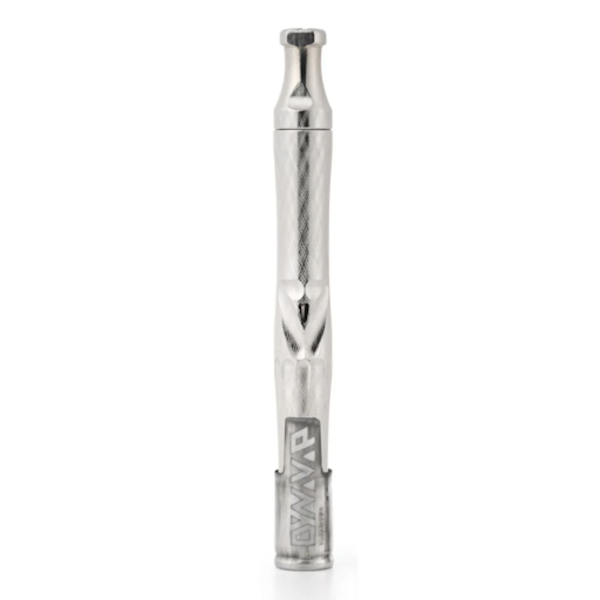
Only from DynaVap, this titanium ball vape runs on a torch lighter—no batteries needed. It heats up in just 5–7 seconds, extracts up to 75% more from your flower than combustion, and is compact enough to fit in your pocket.


DynaVap’s 4/20 sale is already live, with up to 20% off sitewide. Shop now before it ends on April 22, 2026.

Shop Now
Top Pick

Key Takeaways

  • Dry herb vapes heat actual flower; carts contain concentrated cannabis oil. This single difference shapes everything about the experience.
  • Carts are more convenient for on-the-go use. Dry herb vapes require grinding and loading but offer more control.
  • Carts feel stronger per hit due to higher THC concentration. Dry herb vapes produce a more balanced, full-spectrum high.
  • Dry herb vapes cost more upfront but less over time. Carts are cheap to start but expensive to maintain.
  • Carts are more discreet, while dry herb vapes produce more noticeable vapor and smell.
  • The right choice depends on your priorities: convenience, flavor, cost, discretion, or the type of high you prefer.

Dry Herb Vape vs Cart: Major Differences Explained

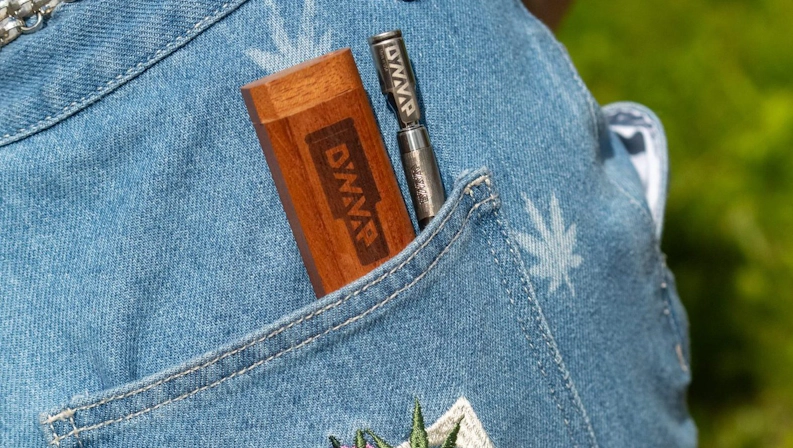
dynavap ball vape

Photo Courtesy of Dynavap

1. Most Vape Carts Require a Battery, Dry Herb Vapes Are the Device

When you compare a dry herb vaporizer vs vape pen setup, the starting point is different. 

A vape cart is just the product—concentrated cannabis oil in a glass or ceramic cartridge. It needs a separate battery (usually a 510-thread device) to heat the oil and produce vapor. That means you’re buying two components, and the quality of your experience depends heavily on the battery you pair it with. 

The exceptions are disposable vapes and AIO (all-in-one) devices, which combine the battery and pre-filled oil into a single device.

A dry herb vape is the whole system. It has a built-in heating element (or uses an external heat source like a torch), and you supply the flower. You’re still buying two things, the device and the flower, but the device is designed to work with any strain you want. Carts lock you into whatever strain and formulation the brand chose. A dry herb vape vs cart comparison always comes back to this freedom of choice.

Devices like the DynaVap UniDyn take this even further. It’s a battery-free ball vape that heats with a torch in under 7 seconds. No electronics, just titanium, convection heating, and whatever flower you decide to load.

product
View Product

2. Dry Herb Vapes Require Quick Prep Each Session, Vape Carts Don't

Carts win on speed. Screw a cart into a battery, press the button (or just inhale if it’s draw-activated), and you’re vaping. Total setup: about 5 seconds. This makes carts easier to hit multiple times throughout the day with zero prep between sessions.

Dry herb vapes need a quick ritual: grind your flower, load the chamber, turn on the device (or heat the cap), wait for it to reach temperature, and inhale. Total setup: 1-3 minutes, depending on the device. Some people see it as bothersome, while others see it as the whole point. The hands-on nature of dry herb vaping vs carts contributes to a more intentional, ritualistic experience that a lot of daily consumers genuinely prefer.

dry herb vape vs carts

herb

3. Dry Herb Vapes Typically Heat Flower, Carts Contain Heated Extracts

This is the core of the dry herb vape vs concentrate conversation. Dry herb vapes heat whole cannabis flower at controlled temperatures to release cannabinoids and terpenes as vapor without combustion. The material is the actual plant—ground bud, full terpene profile, full cannabinoid spectrum.

Carts contain concentrated cannabis oil, either distillate (refined, high-THC oil with terpenes added back in) or live resin (extracted from fresh-frozen flower with natural terpenes preserved). The concentration process strips some compounds and amplifies others, which fundamentally changes how the product interacts with your body compared to whole flower.

Worth noting: some dry herb vapes are compatible with both flower and concentrates. The dry herb vs concentrate vape distinction isn’t always either/or. Devices with dual-use chambers or concentrate pads let you switch between formats easily.

dry herb vape vs carts

magic vaporizers – Unidyn

4. Carts Are More Discreet, Dry Herb Vapes Create More Smell

If stealth is your priority, carts have the edge. The vapor from a cartridge dissipates quickly and carries less odor than dry herb vapor, making carts more practical for on-the-go use in situations where discretion matters.

Dry herb vapes produce more visible vapor and a more noticeable smell because you’re heating actual plant material. It’s not as strong as smoking, but it’s not invisible either, especially indoors. If you’re using a dry herb vape in a shared space, a SmokeBuddy or similar sploof can significantly reduce the smell of weed. And it’s worth mentioning that carts aren’t completely odorless either—live resin carts in particular can produce a noticeable terpy aroma.

dry herb vape vs carts

herb

5. Carts Feel Stronger, Dry Herb Vapes Feel More Balanced

This is one of the most common observations in the dry herb vape vs cart comparison, and it’s real. Cart oil is concentrated, often 70–95% THC, which means each hit delivers more THC per inhalation. The onset is fast, the peak is sharp, and the high can feel intense.

Dry herb vapes deliver the full cannabinoid and terpene profile of the flower, which typically means 15–35% THC alongside CBD, CBN, CBG, and dozens of terpenes working together. The high builds slower, feels more layered, and tends to produce less of the “one-note” intensity that high-THC carts sometimes create. Many daily consumers who switch from carts to dry herb vaping say that the experience feels more like actually smoking weed.

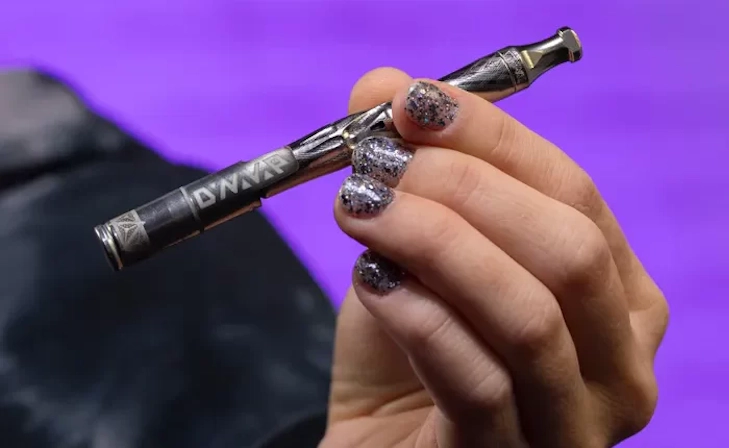
dynavap ball vape

Photo Courtesy of Dynavap

6. Dry Herb Vapes Are Usually Cheaper Over Time, Carts Add Up Fast

The upfront cost of a dry herb vape is higher. Quality devices range from $50 to $250+. But after that initial purchase, the ongoing cost is just flower, which can be bought in bulk at $5–$15 per gram depending on quality and market. Dry herb vapes also extract more efficiently than combustion, stretching your flower further. The DynaVap UniDyn, for example, is designed to get up to 75% more from your material compared to smoking.

Carts start cheap. A basic 510 battery runs $10–$30. But the carts themselves cost $25–$60 per gram and need to be replaced regularly. A daily cart user can easily spend $100–$200+ per month on cartridges alone. Over six months to a year, a dry herb vape vs cart cost comparison almost always favors the dry herb setup.

How to Choose Between a Dry Herb Vape or Regular Vape Cart

dry herb vape vs carts

The right choice depends on a few personal factors. Here’s how to think through it.

If flavor and a full-spectrum high are your priority, dry herb vapes win. Heating whole flower preserves the complete terpene and cannabinoid profile in a way that carts, especially distillate carts, can’t replicate. 

For the best flavor experience in the dry herb vape vs cart equation, a ball vape like the DynaVap UniDyn uses convection heating to pull maximum terpene expression from every bowl. As we previously covered in our ball vape explainer, convection is the gold standard for flavor because it heats the flower evenly without direct contact. 

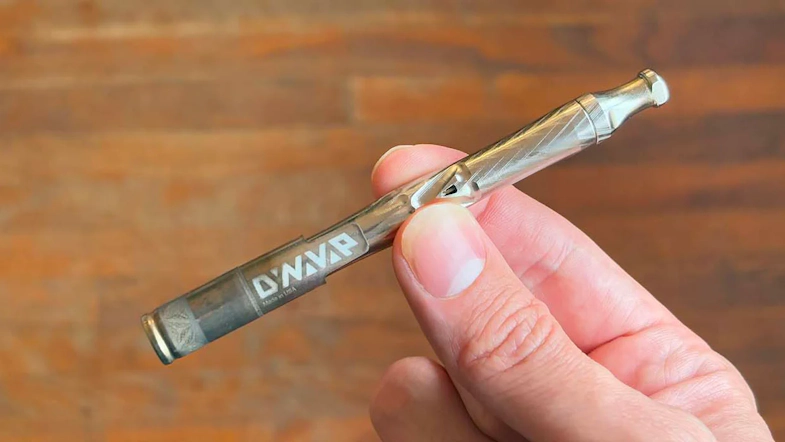
The UniDyn is built from medical-grade titanium with 7 adjustable airflow settings and an Adjust-a-Bowl feature for microdosing flexibility. No battery, either. Just heat the BallR Cap with a torch for 5–7 seconds and inhale. It fits a 10mm water pipe adapter, comes with a tin case, and weighs almost nothing. At $119 (currently 20% off sitewide through April 22 as part of DynaVap’s 4/20 sale), it’s a one-time investment that replaces the recurring cost of carts entirely.

If convenience and discretion are non-negotiable, carts are the better fit. No prep, no smell, no ritual. Just inhale and go. For commutes, concerts, travel, and any situation where pulling out a device and loading flower isn’t practical, carts deliver.

If you’re thinking about long-term cost, dry herb wins convincingly. The upfront investment pays for itself within a few months of not buying $40–$60 carts every week.

Dry herb vape users tend to be: People who consume at home or in private spaces, who care about flavor and the full plant experience, who want to control their tolerance, and who prefer buying flower over cartridges.

Cart users tend to be: People who vape on the go, who prioritize speed and discretion, who want high-THC intensity per hit, and who don’t mind the recurring cost of cartridge replacements.
product
View Product

Frequently Asked Questions

What's the difference between a dry herb vape and a vape cart?

A dry herb vape heats whole cannabis flower to produce vapor. A vape cart contains concentrated cannabis oil (distillate or live resin) that’s heated by a battery-powered device. The material, the hardware, the effects, and the cost structure are all different.

Are dry herb vaporizers better than carts?

“Better” depends on your priorities. Dry herb vaporizers deliver fuller flavor, more balanced effects, and lower long-term cost. Carts offer more convenience, higher THC per hit, and better discretion.

Do dry herb vapes get you as high as carts?

Yes, but the high feels different. Carts deliver concentrated THC for a fast, intense peak. Dry herb vapes deliver the full cannabinoid and terpene spectrum for a more layered, longer-lasting experience. Many users find dry herb highs more satisfying despite the lower THC percentage per hit.

Why do vape carts feel stronger than dry herb vaporizers?

Cart oil is typically 70-95% THC, versus 15-35% THC in whole flower. Each cart hit delivers more THC per inhalation, producing a sharper, faster onset. Dry herb vaping vs carts isn’t about one being “weaker.” It’s about concentrated potency versus full-spectrum complexity.

Are dry herb vapes healthier than carts?

Both avoid combustion, which is the primary health concern with smoking. Dry herb vapes heat whole flower with no additives, while cart quality varies by brand. Some contain cutting agents or artificial terpenes. For a deeper dive, read Herb’s comparison of dry herb vaporizers vs. oil carts.

Do dry herb vapes smell more than carts?

Yes. Heating whole flower produces more noticeable vapor and aroma than cart oil. A SmokeBuddy or ventilated space helps, but dry herb vaping will always be more detectable than carts.

Are dry herb vaporizers cheaper than carts?

Over time, yes. Dry herb vapes have a higher upfront cost ($50-$250) but lower ongoing cost since flower is cheaper per gram than cart oil. Daily cart users can spend $100 to $200/month on replacements. A dry herb vape vs cart cost comparison over 6+ months almost always favors dry herb.

Can you use concentrates in a dry herb vape?

Some models support both flower and concentrates via dual-use chambers or concentrate pads. Not all dry herb vapes have this capability. Check compatibility before purchasing.

Which is better for beginners: dry herb vapes or carts?

Carts are easier to start with—less setup, less learning curve. But dry herb vapes offer better tolerance control and a more authentic cannabis experience. For beginners who want simplicity, carts. For beginners who want to learn, dry herb.

Do dry herb vapes help control tolerance better than carts?

Many users report that switching from carts to dry herb helps reset or manage tolerance. Cart oil is concentrated THC, which can escalate tolerance quickly. Dry herb delivers lower THC per hit with a full cannabinoid profile, making it easier to consume less while still feeling satisfied.

The Herb Community

best bong for dry herb vape

Photo Courtesy of Dynavap

For more than a decade, Herb has been a gathering place for people who love, use, and are simply curious about cannabis. What started as a small corner of the internet has grown into a community where millions come to learn, share, and stay connected to cannabis culture.

Here’s what you can tap into at Herb:

  • Learning hub and guides that break things down clearly, from growing weed outdoors to understanding how terpenes impact your high
  • News hub that spotlights the latest cannabis culture and policy shifts
  • Dispensary directory to help you find licensed shops in your local area
  • Monthly strain picks, featuring rotating Indica, Sativa, and Hybrid favorites
  • Deals page, updated monthly with the best cannabis discounts available online

Stay connected with the Herb community by subscribing to our newsletter, following us on Instagram, and X for the latest in cannabis lifestyle and culture.

Featured Products