shinzan murray
How to Buy Weed in Antigua in 2026: Laws & Tourist Access
Antigua has decriminalized small possession and built a regulated medical cannabis system with visitor access. Here is what travelers actually need to know before they arrive.

How to buy weed in Antigua in 2026 is straightforward: the medical system is the only legal tourist purchase lane. Antigua and Barbuda decriminalized possession of up to 15 grams in 2018, built a legal medicinal cannabis system under the Cannabis Act 2018, and formally recognizes Rastafarian sacramental use. What it still does not offer is a broad adult-use tourist market where anyone can walk in, shop, and light up anywhere they want.
Travelers should treat the practical purchase route as medical only. Rastafarian sacramental authorization is a separate religious framework for authorized adherents and communities, not a general tourist workaround.
If you want a broader Caribbean planning stack, keep this guide open alongside Herb’s travel guides and the dispensary finder. That gives you the legal context here, plus a more highly curated view of how cannabis enthusiasts plan the rest of a cannabis-friendly itinerary.
Key Takeaways

alec brunelle
- Antigua and Barbuda’s Misuse of Drugs (Amendment) Act, 2018 states that possession of up to 15 grams of cannabis or cannabis resin is not an offense. 2018 reporting on the amendment also notes that the law made it lawful to cultivate up to four cannabis plants per household.
- Antigua also has a real medicinal cannabis system, with a visitor patient card process and licensed dispensaries listed by the Medicinal Cannabis Authority.
- The legal tourist-access lane is medical, not adult-use retail.
- Rastafarian sacramental rights are real and recognized, though they are a separate religious framework for authorized adherents and communities, not a casual tourist loophole.
- A 2024 amendment raised the penalty for smoking cannabis in a public place to a fine of up to EC$2,000. Treat public beaches, sidewalks, parks, bars, and shared resort spaces as unsafe places to smoke unless you have clear, location-specific confirmation.
- The U.S. State Department’s Antigua and Barbuda page includes a May 20, 2026, Travel Advisory and still warns that penalties for possession, use, or trafficking in illegal drugs are severe.
Why Travelers Get Confused About Buying Weed in Antigua

Antigua is exactly the kind of destination that creates false confidence. It has decriminalized small possession, a regulated medicinal cannabis authority, licensed dispensaries, and official protections for Rastafarian sacramental use. Those are all real signals of reform, but they point to different legal lanes, not a single tourist-friendly retail market.
That gap between headlines and reality is where most mistakes happen. Travelers often assume that if cannabis is decriminalized, buying from an informal seller must be tolerated too. Others think a medical card from home is enough on its own. Antigua’s rules do not work that way. The island has carved out a lawful visitor pathway, but it is structured, document-based, and still separate from public-use freedom.
Prerequisites
Before you start the medical-access process, have these details ready:
- Your passport bio page and permanent home address
- Your local Antigua stay details, or your vessel and port information if arriving by cruise
- Your planned length of stay, so you can match the right visitor-card duration
- A willingness to complete Antigua’s authorized medical recommendation process instead of relying on decriminalization alone
- A private-use plan, since public smoking rules still apply even if you qualify for legal access
Legal purchases depend on the visitor’s patient card, which is the primary tool for how to buy weed in Antigua.
Step-by-Step Instructions
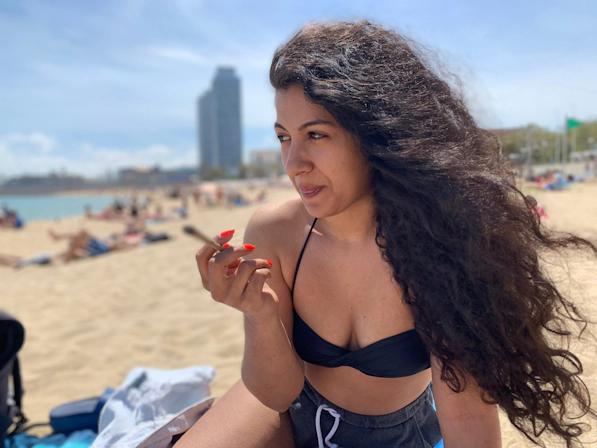
Photo by aleksandre dab/EyeEm / Adobe Stock Photo
- Confirm that you actually need the medical lane. Antigua does not run a general adult-use tourist market, so the legal purchase path starts only if you are willing to use the regulated medical system.
- Gather your travel documents before you apply. You will need your passport bio page, your local stay details or cruise entry details, and your intended length of stay so the MCA can match the right visitor-card duration.
- Complete the MCA intake and doctor workflow. Antigua’s patient-access process starts with the MCA evaluation flow, then moves into the authorized medical recommendation process inside Antigua and Barbuda.
- Wait for your visitor’s patient ID card before you shop. A prior recommendation from another jurisdiction may help, but legal access still depends on Antigua issuing the visitor patient card and registering you in the tracking system.
- Buy only from an MCA-listed dispensary. That is the cleanest way to stay inside the law and avoid confusing decriminalized possession with lawful purchase.
- Keep your use private. The card should stay on you during any lawful medical-cannabis activity. Smoking cannabis in a public place is an offense punishable by a fine of up to EC$2,000 under the 2024 amendment, regardless of whether your purchase was legal.
Direct Answer: The Legal Route for Buying Weed in Antigua

bogdan pasca
How to buy weed in Antigua legally means using Antigua and Barbuda’s medical system, because there is no open adult-use tourist market. For most visitors, the legal route is: get an Antiguian medical recommendation, receive a visitor patient ID card through the Medicinal Cannabis Authority, buy only from a licensed dispensary, and keep all use private.
According to the official Patient Access Steps page from the Medicinal Cannabis Authority, Antigua has a real visitor process. For non-citizens, the Authority asks for permanent address details, an on-island address or cruise-ship entry details, length of stay, the passport bio page, and an authorized recommendation from a medical professional within Antigua and Barbuda.
| Legal lane | What it allows | Who it applies to |
|---|---|---|
Decriminalized possession | Up to 15 grams not treated as a standard criminal offense | Adults keeping to small personal amounts |
Medicinal cannabis | Visitor card access, licensed dispensaries, regulated purchase limits | Travelers using the medical system |
Rastafarian sacramental use | Religious cultivation, possession, transport, and dispensing under authorization | Registered adherents and authorized communities |
This comparison shows how legal buying works in Antigua versus simply carrying a small amount. If you want the lawful purchase route, the medical lane is the one to study.
How We Evaluated This Question
We treated this as both a legal-access guide and a travel-risk review, comparing Antigua’s official regulatory sources, the MCA’s published guidance, and current U.S. State Department warnings.
Our primary sources are the Cannabis Act 2018, the Misuse of Drugs (Amendment) Acts of 2018 and 2024, the MCA’s patient-access and dispensary pages, the MCA’s sacramental rights page, the U.S. State Department Antigua and Barbuda page, and March 2026 local reporting on public-smoking enforcement. The MCA’s public documentation is unusually detailed for the Caribbean, including published cardholder fee schedules, dispensary listings, and sacramental registration guidance, making Antigua one of the easier Caribbean destinations to evaluate before arrival.
The most important editorial correction in this version: Rastafarian sacramental authorization is a distinct legal lane for authorized adherents and communities. The article distinguishes it clearly from the medical-visitor pathway to avoid implying it is an informal tourist workaround.
Official Guidance Vs Street-Level Assumptions
When travelers compare sources for how to buy weed in Antigua, the official vs. rumor gap matters.
| Source type | Strengths | Watchouts | Verdict |
|---|---|---|---|
MCA patient-access pages | Published fee schedule, dispensary list, step-by-step process | Process can change; verify directly with MCA before travel | Best source for legal purchase steps |
Cannabis Act 2018 and 2024 Amendment | Official statutory basis for all Antigua cannabis rules | Legal language; needs translation for traveler use | Best source for legal consequences |
U.S. State Department Advisory | Current travel-facing warning, May 20, 2026 | Covers illegal drugs broadly; not Antigua-specific detail | Best source for border and airport risk framing |
Decriminalization headlines | Accurate that 15g is not a standard offense | Often omit that buying through informal markets is still illegal | Useful context, not purchase permission |
Beach tips, taxi contacts, hotel staff | Feels fast and local | No legal cover, no quality assurance, no recourse if it goes wrong | Worst source for risk decisions |
That comparison matters because Antigua genuinely has a legal tourist purchase lane. The risk is not understanding the lane’s requirements and assuming decriminalization is a shortcut past them.
Why People Still Get Antigua's Cannabis Rules Wrong

brighton pereira
People keep getting confused about how to buy weed in Antigua because the island sends more positive legal signals than most Caribbean destinations, which makes the remaining restrictions easier to overlook.
Decriminalization headlines, a public MCA dispensary list, a cardholder fee schedule built for short-stay visitors, and a first-of-its-kind Rastafarian sacramental framework all suggest a more open market than currently exists. Add travelers arriving from stops where informal access is common, and the assumption that Antigua works the same way is easy to make. It does not. The legal system distinguishes sharply between having a small amount, buying through a lawful channel, and using in public. All three work differently on the island.
Is Weed Legal in Antigua?

chris robert
Weed is partly legal in Antigua and Barbuda in 2026 because small possession is decriminalized, medical access is regulated, and Rastafarian sacramental use is recognized. None of those lanes creates a general adult-use tourist market.
Antigua and Barbuda’s Misuse of Drugs (Amendment) Act, 2018 states that possession of up to 15 grams of cannabis or cannabis resin is not an offense. 2018 reporting on the amendment also notes that the law made it lawful to cultivate up to four cannabis plants per household. The same country built a formal medicinal cannabis system under the Cannabis Act 2018 and made that medical framework permanently available to visitors through the MCA’s patient card process.
In practical terms, the answer to is weed legal in Antigua depends on which lane you are in. Small possession is decriminalized. Lawful purchases require a visitor patient card. Public smoking is a fineable offense regardless of how the cannabis was obtained. Informal buying from street sellers or beach contacts remains illegal even if the amount is under 15 grams. For a comparison with another Caribbean destination that has gone further toward legalization, Herb’s Jamaica weed guide shows what a more developed tourist cannabis framework looks like.
Tourist Access in Antigua: What the MCA Actually Offers
Tourist access exists in Antigua, though it runs through paperwork, medical screening, and card registration rather than a walk-in recreational shelf.
The Cannabis Act 2018 explicitly allows a person visiting Antigua and Barbuda with a valid medicinal cannabis recommendation from another jurisdiction to use an authorized dispensary after being issued a visitor patient ID card and registered on the Antigua and Barbuda Cannabis Tracking System. The MCA’s regulations FAQ page lists available cardholder durations for non-citizens as 24 hours, 30 days, 6 months, and 1 year, with published U.S. dollar fees: $5 for 24 hours, $20 for 30 days, $35 for 6 months, and $50 for 1 year. That kind of public pricing structure is unusual in the region and makes Antigua’s medical lane easier to evaluate before you arrive.
For amount limits, the MCA FAQ notes that a regular citizen may have 15 grams on their person while a medicinal cannabis patient may have up to 2 ounces. There is no free tourist pass, no informal shortcut, and no reason to confuse decriminalization with legal access. How to buy weed in Antigua works best when you treat the MCA process as a formal travel compliance step.
Before You Arrive, Know These Risk Points
Before you make any cannabis-related choice in Antigua, understand the framework’s key limits.
- Decriminalization is not a purchase right. The 15-gram threshold means small possession is handled more lightly. It does not authorize informal sellers, beach purchases, or broad public use.
- The visitor card is required before you shop. A prior recommendation from another jurisdiction may support your application, but access still depends on Antigua issuing the card and registering you in the tracking system.
- Public smoking is fineable even with a legal card. The 2024 Misuse of Drugs Amendment replaced the older violation-ticket structure with a fine not exceeding EC$2,000 for smoking in a public place. Treat beaches, sidewalks, parks, bars, and shared resort spaces as unsafe places to smoke unless you have clear, location-specific confirmation.
- Do not bring cannabis into Antigua without explicit written authorization. The safer legal route is to complete Antigua’s medical-access process and purchase only through the regulated system after approval. Do not assume the airport is a gray area. The U.S. State Department’s May 20, 2026, Travel Advisory warns that penalties for possession, use, or trafficking in illegal drugs are severe.
What Happens If You Get the Rules Wrong?
rick jamison
Getting the rules wrong in Antigua is different from pure-prohibition destinations, but it still creates real legal and travel risk.
Legal Penalties
Buying through informal markets is still illegal, even if the amount is under 15 grams. The decriminalization threshold applies to possession, not purchase. Smoking cannabis in a public place is an offense punishable by a fine not exceeding EC$2,000 under the 2024 Misuse of Drugs Amendment. Possessing or transporting more than 15 grams without sacramental authorization or a valid medical card can result in a fine not exceeding EC$10,000, imprisonment up to three months, or both. The U.S. State Department warns that penalties for possession, use, or trafficking in illegal drugs are severe and that convicted offenders can expect long jail sentences and heavy fines.
Border and Airport
The Cannabis Act 2018 explicitly states that a visiting patient may not transport or attempt to transport medicinal cannabis outside Antigua and Barbuda. That tells you the government thinks in tightly regulated, territorial terms. Do not bring cannabis into Antigua unless you have obtained explicit written authorization from the relevant Antiguan authorities. At the airport, treat the question conservatively and arrange legal access inside Antigua’s regulated system rather than carrying assumptions across the border.
| Situation | Verified legal signal | Why it matters |
|---|---|---|
Possession up to 15g | Not an offense under 2018 amendment | Does not authorize purchase from informal markets |
Public smoking | Fine up to EC$2,000 under 2024 amendment | Applies even if cannabis was obtained legally |
Above 15g without authorization | Fine up to EC$10,000, up to 3 months imprisonment, or both | Sacramental rights do not extend to ordinary visitors |
Buying through informal markets | Still illegal regardless of quantity | Decriminalization is not a retail license |
Importing cannabis | Needs explicit written authorization | Do not assume airport is a gray area |
Dispensaries in Antigua
Antigua’s legal buying route runs through licensed dispensaries listed by the Medicinal Cannabis Authority, not informal beach or taxi networks.
According to the MCA’s Licensed Dispensaries page, Antigua currently has at least two public patient-access locations in St. John’s:
- GROW Antigua at #25 Redcliffe Quay, St. John’s. GROW Antigua may be more convenient for visitors staying near the central waterfront area.
- Friars Hill Road location at Billy’s Complex, St. John’s. This location may be more convenient for patients staying closer to that side of St. John’s.
Both locations operate under the authorized-doctor model, meaning access is tied to medical authorization rather than walk-in retail. Use Herb’s dispensary finder alongside the MCA’s official listings to cross-check location details before your visit.
Rastafarian Rights Are Real, Not a Tourist Pass

Antigua’s Rastafarian cannabis protections are culturally significant and legally real, though they operate through authorization rather than open-ended public tolerance.
According to the MCA’s Sacramental Rights page, Antigua and Barbuda became the first Caribbean nation in March 2023 to grant Rastafari official sacramental authorization to grow and use marijuana for religious purposes. Registered adherents and organizations can cultivate more than 4 plants, possess more than 15 grams, and dispense cannabis at an authorized sacramental dispensary for religious use.
That is a major cultural point in the Antigua story. It also has clear limits. The same MCA page notes that people without sacramental authorization who try to possess or transport more than 15 grams commit an offense, facing a fine not exceeding EC$10,000, imprisonment up to three months, or both. Sacramental rights broaden lawful space for Rastafarian practice. They are a separate religious framework for author
Common Mistakes To Avoid
Travelers get the Antigua rules wrong by making predictable assumptions that the reform signals mean more than they do.
- Assuming decriminalized means commercially legal. The 15-gram threshold applies to possession, not purchase. Informal sellers are still operating outside the law.
- Treating public smoking like a low-stakes move. The 2024 amendment allows fines up to EC$2,000 for smoking in a public place. Beaches, parks, sidewalks, and shared resort spaces are not safe smoking zones.
- Skipping the visitor card process. The medical system exists and is built for short-stay visitors, but it expects registration, documents, and a recommendation flow.
- Confusing Rastafarian rights with general visitor rights. Sacramental authorization is a separate framework for authorized adherents, not a lane ordinary tourists can select.
- Bringing cannabis through the airport. Do not assume the airport is a gray area. Arrange legal access inside Antigua’s regulated system after arrival instead.
- Assuming a home medical card is enough. A prior recommendation from another jurisdiction may support your application, but Antigua’s visitor patient card is still required before any legal purchase.
Advanced Tips for Buying Cannabis in Antigua

katie heath
- Match the visitor card to your trip length. Antigua’s published non-citizen card durations make short stays workable. The 24-hour and 30-day options are practical for most tourist itineraries.
- Ask the dispensary about cannabinoid strength before you buy. If a product lists THC and CBD content, choose the lower-intensity option first unless you already know your tolerance.
- Keep strain research separate from the purchase process. If a dispensary menu includes familiar cultivars, use Herb’s strain database to check expected effects and terpene profiles before you commit.
- Use private accommodations carefully. Even where your stay feels casual, house rules and landlord policies can still matter alongside local law.
If You Are Comparing Antigua Vs Other Caribbean Destinations
Antigua stands out in the Caribbean for having a genuinely visitor-accessible medical cannabis framework with published fees, card durations built for short stays, and a publicly listed dispensary network. That makes it meaningfully different from pure-prohibition destinations like Barbados or Aruba, but also different from Jamaica’s more developed tourist cannabis infrastructure.
What matters for trip planning is matching your expectations to the correct framework. Antigua offers medical access through compliance, not a loose recreational market. If your priority is a structured medical lane with a real dispensary system, Antigua is one of the stronger Caribbean options. If you want a more developed cannabis tourism experience, Herb’s Jamaica weed guide covers the most developed tourist cannabis market in the region. Herb’s Aruba cannabis guide shows what a full-prohibition Caribbean destination looks like by comparison.
Final Verdict On Buying Weed In Antigua

There is no single answer to how to buy weed in Antigua that fits every traveler because Antigua offers a real legal lane with real requirements.
- If you already use medical cannabis and are willing to complete Antigua’s paperwork, the visitor medical route is the strongest option because it is the island’s clearest legal purchase path.
- If your plan is to buy casually on vacation without a recommendation, Antigua is not the right fit because decriminalization does not equal open adult-use retail.
- If cannabis is part of your Rastafarian religious practice, the sacramental authorization lane is the relevant framework because Antigua formally recognizes it under MCA oversight.
For most tourists, the practical decision is simple: use the medical system exactly as written or assume there is no legal tourist purchase route for your trip. The best answer to how to buy weed in Antigua is the same one the law gives you: medical paperwork first, dispensary second, private use always.
If Antigua is one stop on a wider Caribbean trip, compare the rest of your route before you fly. Rules around possession, medical access, airport enforcement, and public smoking can change quickly from one island to the next. Herb’s travel guides are built for that kind of pre-trip comparison.
Frequently Asked Questions
Is weed legal in Antigua and Barbuda?
Cannabis is partly legal in Antigua and Barbuda. Antigua and Barbuda’s Misuse of Drugs (Amendment) Act, 2018 states that possession of up to 15 grams is not an offense, medical access is regulated through the MCA’s visitor patient card process, and Rastafarian sacramental use is recognized. The country still does not have a broad adult-use tourist market.
Can tourists buy medical cannabis in Antigua?
Yes, but only through Antigua’s medical system. Non-citizens need a visitor patient card, an approved recommendation from an Antiguian medical professional, and must purchase from a licensed dispensary. Tourists do not get open retail access just because small possession is decriminalized.
What happens if you smoke cannabis in public in Antigua?
Smoking cannabis in a public place is an offense under the 2024 Misuse of Drugs Amendment, punishable by a fine not exceeding EC$2,000. Treat beaches, sidewalks, parks, bars, and shared resort spaces as unsafe places to smoke unless you have clear, location-specific confirmation.
Can you bring cannabis through Antigua's airport?
Do not bring cannabis into Antigua unless you have obtained explicit written authorization from the relevant Antiguan authorities. The safer legal route is to complete Antigua’s medical-access process and purchase only through the regulated system after approval. The U.S. State Department’s May 20, 2026, Travel Advisory warns that penalties for possession, use, or trafficking in illegal drugs are severe.
Are there legal dispensaries in Antigua?
Yes. The Medicinal Cannabis Authority lists licensed dispensaries in St. John’s, including GROW Antigua at #25 Redcliffe Quay and a second location at Friars Hill Road/Billy’s Complex. Both operate under the authorized-doctor model and are accessible to visitors who have completed the MCA’s patient card process.
Herb Recommended Products:
READ MORE