Herb
Aruba is one of the Caribbean's most visited islands, and one of its strictest cannabis jurisdictions. Recreational and medical cannabis are fully illegal, there are no dispensaries or tolerance zones, and the no-bail detention system means an arrest has immediate consequences.
If you are wondering how to buy weed in Aruba, that is the direct answer. The common assumption that Aruba’s Dutch connection makes it Amsterdam-adjacent is one of the most dangerous misconceptions a cannabis-curious traveler can carry through customs. Cannabis travel rules from home do not follow you here.
In February 2026, Aruba welcomed 133,992 stayover visitors, with North America contributing 77.9% of arrivals. The vast majority come from legal or decriminalized states and provinces. Many search “how to buy weed in Aruba” before landing. This guide answers every dimension of that question honestly.
Below you will find a complete breakdown of Aruba’s cannabis laws, the real penalties tourists face, what the underground scene looks like, the risks of buying illegally, what happens if you are arrested, and your only legal option: CBD products. Read this before you pack.
Cannabis is fully illegal in Aruba. Recreational use, medical use, possession, cultivation, and sale are all prohibited, with no decriminalization in place for tourists or residents. For anyone asking how to buy weed in Aruba: there is no legal pathway.
No grey areas, no coffeeshops, no tolerance zones, no “it is illegal but they look the other way” loophole you can rely on. The Aruban Narcotics Ordinance prohibits cannabis across the board, and the Aruban government has consistently maintained a strict enforcement posture toward drug possession.
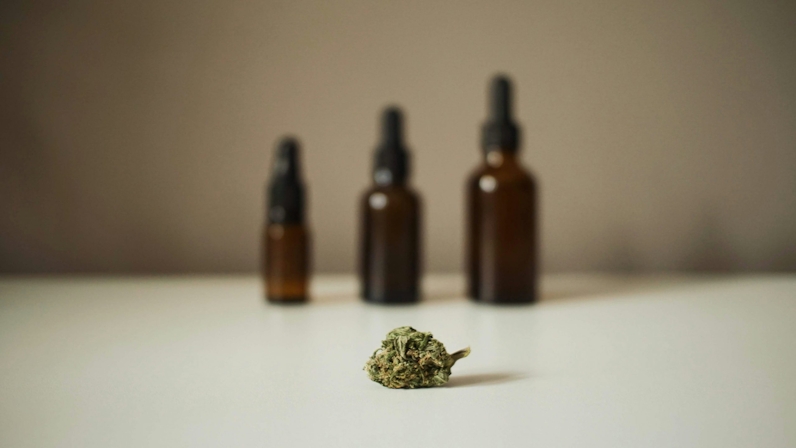
The one important exception: CBD products containing no more than 0.2% THC are legal. A ministerial regulation enacted in December 2019 excluded low-THC CBD products from the legal definition of a narcotic. This is more restrictive than the US federal hemp standard of 0.3% THC, so not every CBD product available in a US supplement store is guaranteed to meet Aruba’s threshold. Products available locally at Aruban pharmacies and wellness shops are more likely to be compliant.
Online forums and travel communities sometimes describe Aruba’s cannabis situation as “tolerated” or “loosely enforced.” That framing is misleading and potentially dangerous.
Enforcement varies, but arrests of tourists for small amounts are documented, undercover enforcement risks in tourist areas are real, and the no-bail system means a bad day on the beach can turn into weeks of detention. The inconsistency in enforcement is not the same as decriminalization.
Aruba’s Narcotics Ordinance prohibits cannabis cultivation, possession, sale, transport, import, export, and use. Penalties are serious and depend on the amount involved, the person’s role, intent, and the circumstances of the case. The statute provides broad maximum penalties for drug offenses. For intentional violations, the law allows for significant imprisonment and fines. Prosecutorial practice considers quantity and whether a person is treated as a user, dealer, facilitator, or cross-border transporter.
A few details that most travel guides gloss over:
The single most common misconception among cannabis-curious tourists is that Aruba’s Dutch heritage means it operates like the Netherlands, that maybe there is something Amsterdam-adjacent happening in Oranjestad. There is not.
Aruba is an autonomous constituent country within the Kingdom of the Netherlands. It has its own parliament, its own laws, its own government, and its own justice system, completely independent of Dutch domestic policy. The Netherlands’ famous gedoogbeleid (tolerance policy), the coffeeshop licensing system, and the general legal framework that makes Amsterdam dispensary tourism possible have zero legal effect in Aruba.
The Kingdom of the Netherlands includes four countries: the Netherlands, Aruba, Curaçao, and Sint Maarten. Each governs itself. Dutch law does not travel to the Caribbean any more than California law travels to Texas.
This distinction also applies to the Caribbean Netherlands, which includes the special municipalities of Bonaire, Sint Eustatius, and Saba. These are part of the Netherlands proper rather than autonomous countries. None of them has decriminalized cannabis. So even the most technically Dutch parts of the Caribbean do not offer the tolerance found in Amsterdam.
If the Netherlands’ cannabis culture is part of what draws you, Herb’s Amsterdam cannabis guide and Netherlands travel guide cover what is actually available there.
Despite full prohibition, an informal underground cannabis market does exist in Aruba, one that caters substantially to tourists. For anyone trying to buy weed in Aruba illegally, here is a realistic picture of what you will actually encounter.
The specific risks of trying to buy weed in Aruba differ from what most cannabis consumers in legal markets face. Traveler reports and cannabis travel coverage describe undercover enforcement risks in tourist areas, including plainclothes officers posing as sellers or as fellow tourists looking to connect.
Buying a small personal amount from what appears to be a casual seller does not protect you from an arrest that can be prosecuted seriously under Aruban law.
The fake product risk is one of the most overlooked hazards when buying weed in Aruba. Tourist cannabis transactions happen fast, in cash, in semi-public spaces where inspection is not practical. Sellers know buyers cannot come back, cannot complain, and cannot get a refund. Traveler forums sometimes report fake or misrepresented products, including non-cannabis herbs passed off as cannabis.
These accounts are anecdotal, but the underlying dynamic is real: with no legal market, there is no testing, labeling, or consumer protection of any kind.
Aruba enforces customs and drug laws at Queen Beatrix International Airport. This matters in two directions.
Bringing cannabis to Aruba from any country, including from legal US states or Canada and even with a valid medical cannabis card, is illegal importation. Your home state’s laws, your dispensary receipt, and your medical card have no standing with Aruban customs. One THC edible pack or a vape cartridge in your carry-on can trigger an arrest before you have even left the terminal.
Leaving Aruba while in possession of illegally purchased cannabis carries equal risk. Airport security screens departing passengers, and any THC product can be caught.
The practical bottom line: if you engage with the illegal cannabis market in Aruba, you are making a risk-reward calculation with real consequences on both sides of your trip.
Most tourists who end up arrested for cannabis in Aruba are genuinely surprised by what happens next, because it does not work like at home.
There is no bail in Aruba. This is the single most important thing to understand. In the US and Canada, an arrest often means a call to a bondsman, bail posted within hours, and returning home to deal with the legal process. In Aruba, that process does not exist. If you are arrested for a drug offense, you will be detained in custody until a judge determines whether to release you, charge you, or hold you for trial. That process can take days or weeks
After a cannabis arrest in Aruba, consular services are limited. They can visit and provide attorney referrals, but cannot secure your release or pay fines.
CBD is the good news in an otherwise restrictive landscape. Since December 2019, Aruba’s ministerial regulation has excluded CBD products with no more than 0.2% THC from the legal definition of a narcotic, making them legal to purchase, possess, and use on the island without a prescription.
Where to find CBD in Aruba:
Travelers should verify product THC content and current local rules before purchasing or packing CBD. Legal low-THC CBD products may be available through local retailers, but product availability and specific offerings can change.
What is not available: There are no hemp flower products, no CBD vape products on open retail shelves, and no dispensaries. The CBD market in Aruba is supplement-focused: oils, capsules, topicals.
Important note on THC threshold. The 0.2% limit is stricter than the US federal hemp standard of 0.3%. A CBD product legal under US law may still exceed Aruba’s limit. Before packing, verify the exact THC content on the product’s certificate of analysis. If it reads above 0.2%, leave it at home.
For a deeper look at the global CBD landscape, Herb’s CBD guide covers the full picture.
Aruba is not representative of the Caribbean as a whole when it comes to cannabis law. The region is quite varied, and some islands offer cannabis-friendly tourist experiences that Aruba does not.
Full legal access:
| Island | Legal Status | Tourist Access |
| Jamaica | Decriminalized + licensed medical | Possession of up to 2oz is decriminalized; purchases generally go through licensed herb house channels; Rastafarian sacramental use legally protected |
| US Virgin Islands | Recreational legal | Recreational framework established; retail dispensary availability is in rollout and should be verified before travel |
Personal-possession decriminalization:
| Island | Legal Status | Tourist Access |
| Antigua and Barbuda | Decriminalized up to 15g | Possession of up to 15g decriminalized; a medical cannabis framework exists; visitor access should be verified before travel |
| Dominica | Decriminalized up to 28g | Personal possession of up to 28g is not an offense; up to 3 home plants permitted for adults |
| Puerto Rico | Medical cannabis legal | 30-day temporary medical card available for visiting patients |
Cannabis-restricted destinations:
| Island | Legal Status | Notes |
| Aruba | Fully illegal | No legal access; CBD with no more than 0.2% THC only |
| Curaçao | Illegal | No legal access |
| Bahamas | Illegal | No legal access; reform proposals have advanced, but travelers should verify whether any new framework is active before relying on it |
If access to cannabis is a meaningful part of how you enjoy travel, this table is worth studying before booking. Jamaica remains the most developed cannabis tourism destination in the Caribbean, with licensed herb houses, an established cultural context, and a legal framework supporting tourist access. Herb’s Jamaica weed guide is a good starting point if you are weighing a pivot.
Aruba’s cannabis reform trajectory is real, even if it is slow. Understanding the timeline helps contextualize where things might go.
Herb’s Aruba cannabis law coverage tracks developments as they happen. For 2026 visitors, the current legal reality is the operating reality.
Aruba is a genuinely beautiful destination, but cannabis access is not part of what it offers. Here is how the decision actually breaks down for cannabis-conscious travelers:
The honest answer to “how to buy weed in Aruba” is: you cannot, legally. The honest answer to “should I try the illegal market anyway?” is: the risk-reward ratio is poor, enforcement is unpredictable, and detention is possible. For guides to Jamaica, the Netherlands, and other cannabis-friendly destinations, including Herb’s guide to 420-friendly Caribbean cruises, Herb’s guides section has the full picture.
No. Cannabis is fully illegal in Aruba for recreational and medical use. Possession, cultivation, sale, and use are all prohibited under the Aruban Narcotics Ordinance. CBD products with no more than 0.2% THC are the only legal cannabis-adjacent option, available at local pharmacies and wellness shops without a prescription.
Penalties depend on quantity, role, intent, and circumstances. Aruba’s Narcotics Ordinance provides broad maximum penalties, and prosecutorial practice escalates consequences based on amount and perceived role. Even small amounts can lead to arrest, detention, prosecution, and a criminal record. There is no bail in Aruba, meaning detention continues until a judge reviews your case. The US State Department travel page provides current guidance for US citizens.
Yes. CBD products with no more than 0.2% THC have been legal in Aruba since a December 2019 ministerial regulation excluded them from narcotic classification. CBD oil, gel capsules, and topicals may be available at pharmacies and wellness shops without a prescription. Aruba’s threshold is stricter than the US federal hemp standard of 0.3%, so not all US-market CBD products automatically qualify. Verify the product’s THC content before packing.
No. Aruba is an autonomous country within the Kingdom of the Netherlands but operates under entirely separate laws. The Netherlands’ cannabis tolerance policy, coffeeshop licensing, and gedoogbeleid have no legal effect in Aruba. Assuming Aruba equals Amsterdam is an incorrect and potentially costly assumption. Herb’s Netherlands travel guide covers what is actually available there.
Jamaica has the most developed cannabis tourism infrastructure: possession of up to two ounces is decriminalized, licensed herb houses operate for retail sales, and Rastafarian sacramental use is legally protected. The US Virgin Islands has full recreational legalization; retail dispensary availability is in rollout and should be confirmed before travel. Antigua and Barbuda, Dominica, and Puerto Rico each have some form of decriminalization or medical access. Aruba, Curaçao, and the Bahamas maintain full prohibition with no legal access for tourists.
Herb Recommended Products:
READ MORE