How to Buy Weed in Costa Rica: The Green Scene in Paradise
Understanding the legal realities and cultural landscape of cannabis in Costa Rica
Herb
January 23, 2026
This article contains sponsored content. Some of the products featured are part of paid partnerships. This page explains how our process works.
christina victoria
Understanding the legal realities and cultural landscape of cannabis in Costa Rica
January 23, 2026
Every search for “where to buy weed in Costa Rica” leads to a frustrating reality: there is no legal way to purchase recreational cannabis in this tropical paradise. The gap between the idyllic image of Costa Rica’s lush jungles and its strict cannabis laws is vast and critical for any traveler to understand. While the country has taken steps toward medical cannabis access, a legal retail market for tourists or residents seeking recreational use simply does not exist. The solution isn’t a list of hidden dealers—it’s a clear-eyed understanding of the legal landscape, the limited medical pathway, and the vibrant, cannabis-adjacent wellness culture you can legally explore. Platforms like Herb’s Products Catalog can help you understand what you’re looking for, even if you can’t find it for sale on Costa Rican soil.
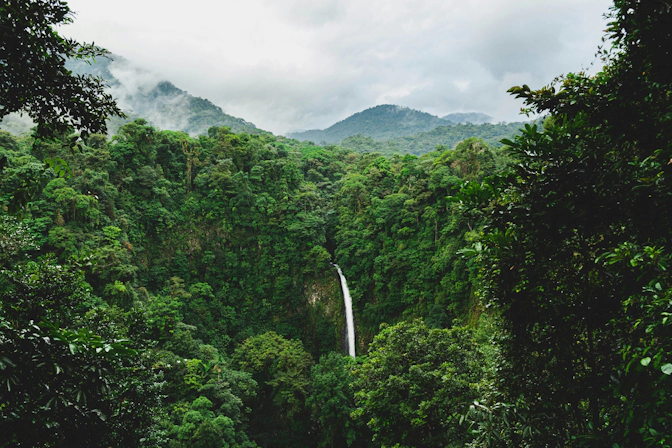
Costa Rica may be famously green, but its cannabis market is definitely not open to tourists.
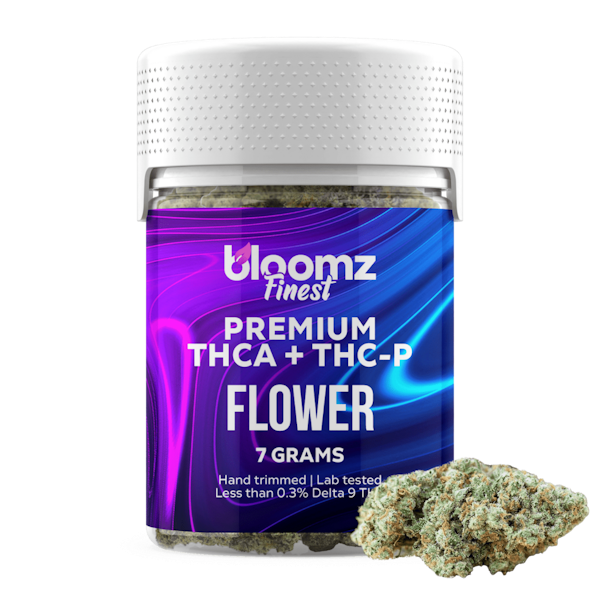
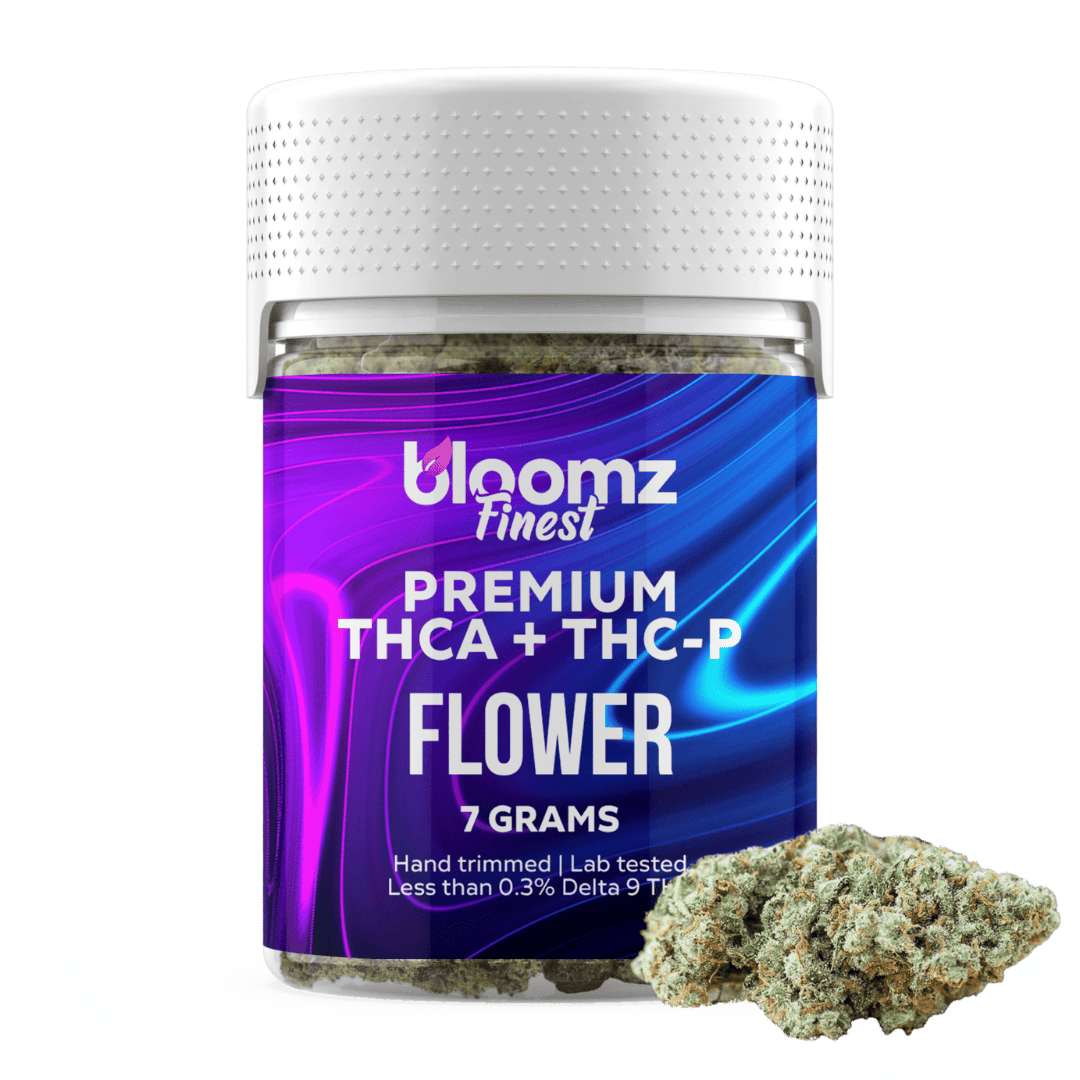
Bloomz THCA + THC-P Flower is one to save for when you get home. It combines premium indoor THCA flower with ultra-potent THC-P and a coating of kief for a hard-hitting, moonrock-inspired smoke made for high-tolerance users.
Choose from Lemon Cherry Gelato, Wedding Cake, Tropical Cookies, or Gary Payton in 3.5g, 7g, and 28g sizes.
Herb readers get 25% OFF at Bloomz with code HERB25.
etienne delorieux

sam mgrdichian
The root of most confusion about cannabis in Costa Rica stems from the critical difference between medical frameworks and recreational legalization. While these terms are often used interchangeably, their practical implications are worlds apart.
In 2022, Costa Rica passed Law 10113, which legalized medical cannabis exclusively for medicinal and therapeutic use. However, this law created a tightly controlled system that has nothing to do with the open recreational markets found in parts of the United States or Canada. For the vast majority of visitors, this law offers no pathway to access.
For recreational users, the legal status is clear: it is illegal. There are no stores, no dispensaries, and no legal avenues to purchase cannabis for non-medical purposes. Costa Rica does not run a legal recreational market. Enforcement and charging decisions can depend on circumstances; trafficking-related conduct is criminalized under Costa Rica’s drug law (Ley 8204), and authorities may evaluate intent based on context.
This creates a complex legal environment. It’s essential to understand that outcomes can vary, and visitors should avoid assuming leniency. The absence of prosecution in some cases is not the same as permission.

vitaly gariev
For those with legitimate medical needs, a legal pathway to cannabis exists in Costa Rica, but it follows a strict prescription model similar to how many pharmaceuticals are dispensed.
Access begins with a prescription from a licensed Costa Rican physician. As of June 2025, Costa Rica’s Ministry of Health announced that medical cannabis products can be acquired in pharmacies via digital medical prescription after regulatory approval. This is the first and most significant barrier for tourists. Foreign medical cannabis prescriptions or recommendations are not recognized under Costa Rican law.
Tourists should not expect legal access: medical cannabis requires a Costa Rica-issued digital prescription and pharmacy dispensing. The system is designed to operate through Costa Rica’s established medical infrastructure, making it effectively inaccessible to short-term visitors. Additionally, bringing cannabis across international borders remains illegal under Costa Rican law and international conventions.
Once a prescription is obtained, patients can fill it at authorized pharmacies throughout the country. The June 2025 rollout of regulatory standard RTCR 515:2024 formalized this pharmacy-based system, creating a controlled distribution network similar to other prescription medications.
This system offers no solution for tourists seeking legal access to cannabis products.
Despite the legal reality, a persistent myth endures that certain tourist hotspots offer easy access to cannabis. However, engaging with any illicit market carries significant risks that travelers should understand.
Any recreational cannabis purchase in Costa Rica takes place outside legal channels and carries serious consequences:
Herb’s comprehensive guides on cannabis safety provide general principles for responsible consumption, but in Costa Rica, the safest approach is to respect local laws and avoid the illicit market entirely. Understanding different cannabis strains and quality markers becomes meaningless without legal access to verified products.
While traditional cannabis may be out of reach, Costa Rica’s famed “Pura Vida” lifestyle offers a wealth of legal, cannabis-adjacent experiences that align with its wellness and eco-tourism focus.
Since the passage of Law 10113, the market for hemp-derived products has evolved. Law 10113 defines hemp as cannabis with less than 1% THC (dry weight). Retail CBD and hemp-derived products may still be subject to Costa Rica’s health product rules and registration requirements depending on how they’re marketed (e.g., medicinal vs cosmetic).
You can often find CBD oils, topicals, and other products in health food stores, wellness shops, and some pharmacies. These products offer a legal way to explore some therapeutic benefits of the cannabis plant, though they differ significantly from THC-containing products in their effects.
Costa Rica is a global hub for wellness experiences, many of which integrate plant medicine into their offerings—though not with cannabis. Experiences centered around cacao ceremonies, breathwork, yoga, and other holistic practices are ubiquitous. These retreats exist in the same cultural space that a legal cannabis market might occupy, focusing on mindfulness, connection, and healing.
Costa Rica’s beach towns are centers for a laid-back, health-conscious culture. The “green scene” is more about the jungle than the herb. This is a place to explore nature, surf, practice yoga, and enjoy a slower pace of life. For many, this experience is the true essence of a Costa Rican escape and aligns with the mindful cannabis culture that enthusiasts appreciate worldwide.
If you’re heading to Costa Rica for the slow-living, jungle-mornings, surf-in-the-afternoon kind of trip, the Chill Hookah Set – Glow In The Dark is worth throwing in your bag. It’s a modular attachment that converts a Chill Steel Pipe into a hookah-style setup, which pulls way less harshly than a standard bong rip.
A smaller air path means slower, more deliberate sessions that perfectly match the pace of a beachfront balcony evening. The set comes with a silicone hookah adapter, a 24-inch silicone whip hose, and borosilicate glass plugs and mouthpieces, all food-safe, all built to hold up on the road.
And yes, it glows in the dark. At $34.99, it’s a simple upgrade that fits cleanly into the low-key, nature-first vibe of a Costa Rican trip.

elianna gill
The conversation around full legalization is ongoing. Sala Constitucional ruled (vote November 27, 2024; published February 3, 2025) that the draft submitted for constitutional consultation in the referendum process was unconstitutional—effectively stopping that referendum pathway. With political dynamics continuing to evolve, the issue remains charged.
While the trend in Latin America has been toward greater liberalization, Costa Rica’s path is its own. The existing medical framework suggests a society that is cautiously accepting, but the political will for a full legal recreational market has yet to be fully realized.

milada vigerova
Navigating the complex and often contradictory cannabis laws of a foreign country like Costa Rica can be daunting. This is where Herb proves invaluable. We are more than just a directory; we are a culture discovery platform built by and for the global cannabis community.
While we can’t list dispensaries that don’t exist in Costa Rica, we equip you with the knowledge to be a smart, safe, and informed cannabis consumer anywhere in the world. Our platform offers:
In a place where the official rules and the on-the-ground reality are in constant tension, Herb’s mission to help you “free your mind and inspire you through discovering products, content and experiences” is more relevant than ever. We provide the foundation of knowledge you need to respect local laws while exploring your own relationship with the cannabis plant.

frames for your heart
No, it is not legal. Public consumption is explicitly against the law and more likely to attract police attention. Recreational cannabis use is illegal in Costa Rica, and enforcement decisions depend on circumstances.
There is no legal place to buy recreational cannabis in Costa Rica. Any purchase takes place outside legal channels, which is illegal and carries risks of poor product quality, scams, and legal consequences. The only legal way to obtain cannabis is through Costa Rica’s medical prescription system via digital prescription and pharmacy dispensing.
Penalties depend on the circumstances and the authorities’ evaluation of intent. Costa Rica’s drug law criminalizes trafficking-related conduct, and enforcement decisions are made based on context. Avoid assuming leniency—outcomes can vary significantly.
No, tourists should not expect legal access to medical cannabis in Costa Rica. The legal medical program requires a Costa Rica-issued digital prescription from a licensed local physician and operates through Costa Rican pharmacies. Foreign prescriptions are not valid. The system is designed to operate through Costa Rica’s established medical infrastructure.
Law 10113 defines hemp as cannabis with less than 1% THC (dry weight). CBD and hemp-derived products may be available, but they remain subject to Costa Rica’s health product rules and registration requirements depending on how they’re marketed (e.g., medicinal vs cosmetic). If you’re interested in understanding CBD products, Herb’s educational resources can help you navigate quality and effects, even when traveling.