How to Buy Weed in Mexico: Navigating the Gray Area as a Traveler
Understanding the legal paradox where possession is decriminalized but purchase remains illegal
Herb
January 23, 2026
This article contains sponsored content. Some of the products featured are part of paid partnerships. This page explains how our process works.

herb
Understanding the legal paradox where possession is decriminalized but purchase remains illegal
January 23, 2026
Every journey to Mexico with cannabis in mind presents a complex legal paradox: certain personal use is no longer absolutely prohibited, but there’s no authorized recreational retail system.
This contradiction defines Mexico’s cannabis reality in 2026, creating a genuine gray area that travelers must navigate carefully.
While Mexico has moved away from an absolute ban on personal use, regulated recreational sales still aren’t authorized, leaving tourists with no clear legal purchasing pathway.
Understanding this landscape is essential before your trip, and resources like Herb’s strain database can help you identify quality cannabis varieties if you do encounter them during your travels.
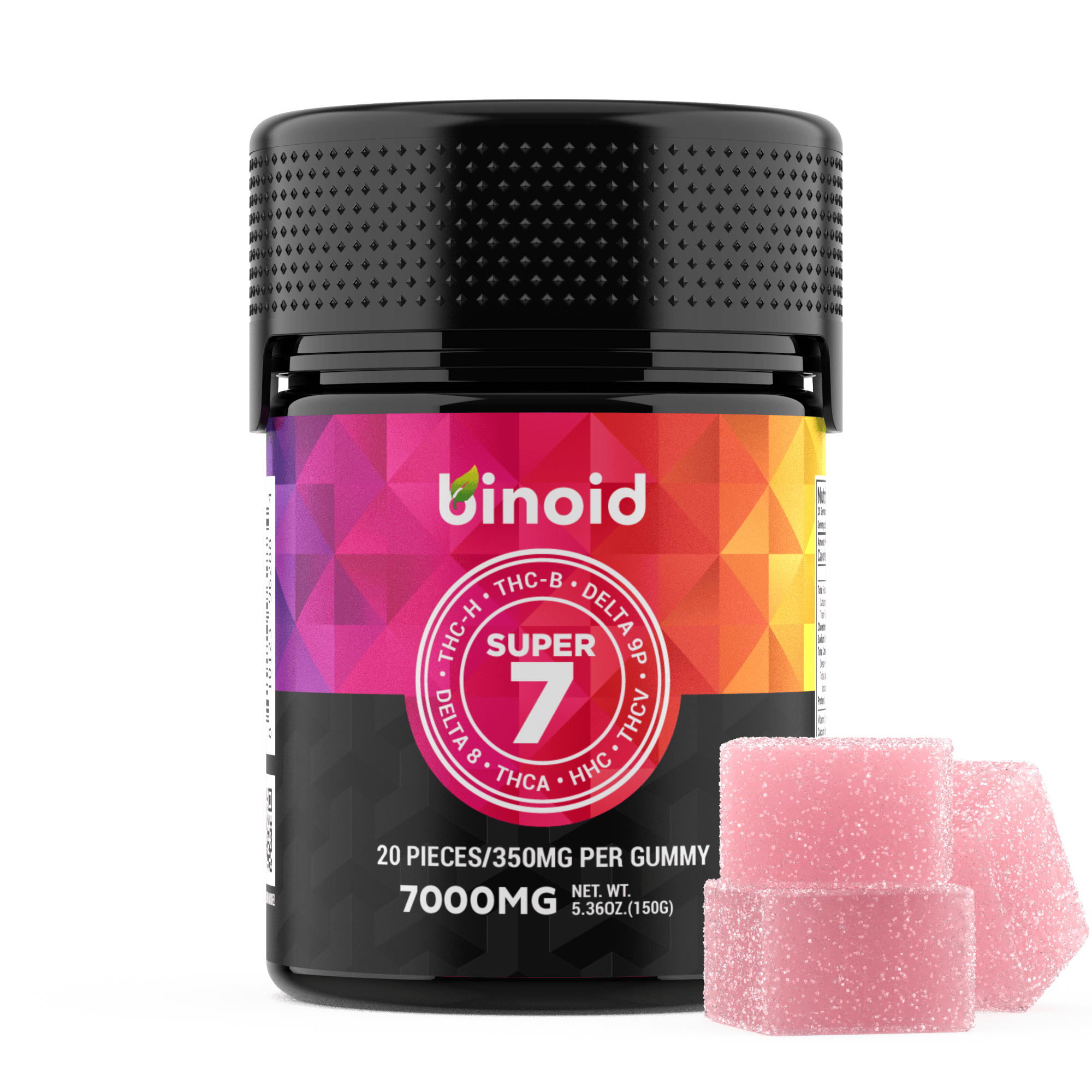
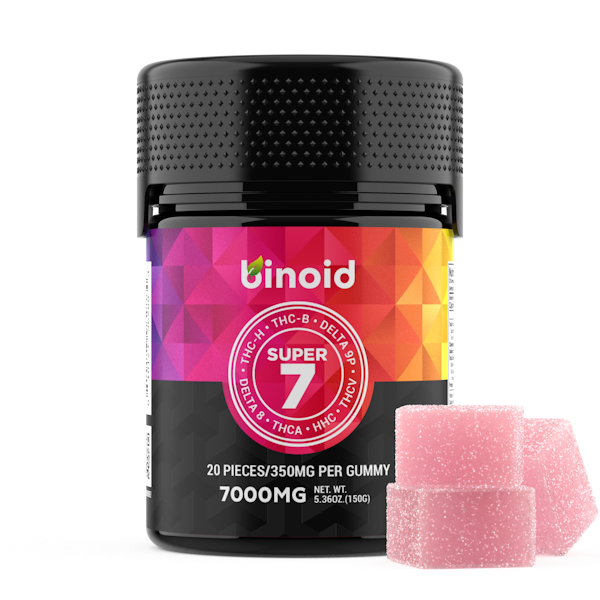
Chasing down a plug in a foreign country is a gamble. Having something reliable waiting at home isn’t. Binoid’s Super 7 Gummies pack 7000mg of a seven-cannabinoid blend in one jar. The reworked formula was built to hold more active ingredients per piece. And it worked.
Each gummy contains THCA, THC-H, THC-B, Delta 9P, Delta 8, HHC, and THCV. The Grape Cotton Candy flavor doesn’t hurt, either. These are hemp-derived and genuinely strong, so ease in slowly and respect the dose. Skip the risk and shop the Super 7 Gummies at Binoid.

chris kursikowski

oscar de la lanza
Mexico’s cannabis landscape in 2026 represents one of the world’s most confounding legal paradoxes. In 2021, Mexico’s Supreme Court took a major step by striking down parts of the absolute ban on personal use and cultivation—but it did not create a legal retail market, and Congress has still not finalized comprehensive adult-use legislation.
This leaves travelers in an impossible situation: Mexico has moved away from an absolute ban on personal use, but regulated recreational sales still aren’t authorized, leaving a practical gap between “personal-use rights” and “legal retail access.”
This gap creates what many travelers experience as a “Catch-22.” The U.S. Embassy’s official travel advisory starkly contradicts narratives about full legalization, warning that “drug possession and use, including medical marijuana, is illegal in Mexico and may result in a lengthy jail sentence.”
This contradiction arises because U.S. government travel-security guidance reflects federal enforcement realities, whereas domestic legal changes stem from Supreme Court rulings that haven’t translated into a functioning commercial framework.

bhargava marripati
Mexico’s current legal framework creates specific allowances that travelers should understand:

herb
Despite Supreme Court actions, these activities carry significant legal penalties:
The enforcement reality varies dramatically by location, officer discretion, and circumstance. While possession of very small amounts may result in confiscation rather than arrest in some areas, legal risk remains substantial, particularly near borders, airports, or in regions with stricter enforcement.

jezael melgoza
In August 2025, Mexico City relocated its cannabis tolerance zones to reduce urban impact and complaints from residents. These designated areas represent the only places where cannabis consumption is officially permitted under local rules, though purchasing remains unauthorized even within them.
These are locally permitted/tolerated spaces with rules; they don’t create legal retail access and don’t eliminate legal risk outside these specific zones. Rules can change—check local updates before visiting.

julio lopez
The reality for travelers seeking cannabis in Mexico typically involves street-level purchases, which remain fully illegal. These transactions carry multiple serious risks:
Some private membership clubs operate in major cities like Mexico City, Tulum, and Playa del Carmen, claiming legal status through private consumption arrangements. However, these clubs exist in an unregulated space with no official government recognition. Their legal standing is precarious at best, and they can face sudden closure or legal action.
Some venues publicly claim to operate in a legal gray area, offering cannabis edibles, drinks, or other products.
Travelers should treat “legal THC edibles/drinks” claims as unverified unless backed by a regulator-issued authorization that can be independently confirmed. Without direct COFEPRIS authorization evidence or official registry entries, such claims cannot be verified and may expose customers to legal risk.
As of January 2026, Mexico still lacks an authorized recreational retail licensing system, so travelers should not assume dispensary-style adult-use stores are legal anywhere in the country.
Medical cannabis has been legally recognized in Mexico for several years, with a tighter regulatory approach focused on prescription-controlled pharmaceutical derivatives rather than open dispensary-style access. However, tourist access remains highly impractical:
Medical access is highly regulated and typically tied to prescription-controlled products; for short-term visitors, navigating clinical and regulatory steps is often impractical or impossible.

luis andres villalon
Critical Warning: Do not bring cannabis across international borders. Import/export can carry serious legal consequences including decades-long prison sentences, even if domestic rules are confusing. Airports and borders can involve strict screening and enforcement—don’t assume cannabis will “slide.”

bernardo ramonfaur
Mexican attitudes toward cannabis vary significantly by region, generation, and social context. While younger urban populations may be more accepting, conservative areas and older generations often maintain traditional views about cannabis use.
Essential discretion guidelines:
The cultural context matters as much as the legal framework. Even in areas where enforcement may be lax, respectful behavior demonstrates cultural sensitivity and reduces potential conflicts.

If you do encounter cannabis in Mexico, understanding proper consumption practices is crucial, especially given the unknown potency and quality of unregulated products.
Herb’s comprehensive consumption guides provide valuable education on responsible cannabis use that applies regardless of location.

meg von haartman
The cannabis experience varies dramatically between tourist-heavy destinations and local neighborhoods:
Understanding these regional differences helps travelers make informed decisions about their approach during their visit.
Regardless of Mexico’s domestic legal changes, never attempt to transport cannabis across international borders. This includes:
The legal consequences for international cannabis trafficking are severe and can include decades-long prison sentences. This rule is non-negotiable and should be treated as absolute regardless of domestic possession rules.

max bohme
While navigating Mexico’s cannabis gray area requires careful research and planning, Herb provides essential resources that go beyond basic travel advice. Herb reports 14 million community members, making it the leading cannabis platform for Millennials and Gen Z. Herb combines practical travel guidance with deep cannabis education.
Herb’s unique value for international cannabis travelers includes:
Unlike generic travel guides or legal summaries, Herb provides the cannabis-specific education and cultural context that travelers need to make informed decisions. The platform’s commitment to factual accuracy, combined with its deep understanding of cannabis culture, makes it an invaluable resource for anyone planning international cannabis-related travel.
Herb doesn’t just tell you what’s legal—it helps you understand cannabis itself, empowering you to navigate complex international situations with confidence and safety. For travelers facing Mexico’s cannabis paradox, this combination of legal awareness and cannabis education is exactly what’s needed to avoid common pitfalls and make responsible decisions.

roberto carlos roman don
Given Mexico’s evolving legal landscape, staying current with reliable information is essential:
The legal situation in Mexico remains fluid, with potential regulatory changes possible. Staying informed through credible sources helps travelers adapt to new developments and make safe, legal decisions.

roberto carlos roman don
No, it is not completely legal. While Mexico has moved away from an absolute ban on personal use (with the Supreme Court striking down prohibition in 2021), Congress has still not finalized comprehensive adult-use legislation creating a legal retail system. This creates a legal paradox where very small personal possession may be treated differently than before, but purchasing remains unauthorized. In Mexico City, consumption is locally permitted in three designated tolerance zones during specified hours with a 28-gram possession limit in those zones, but this is not the same as nationwide legalization.
At the federal level, Mexico’s drug-quantity table lists 5 grams for marijuana as the “maximum dose” for personal immediate use. However, enforcement can be unpredictable and varies by location and officer discretion. Mexico City’s designated tolerance zones operate under different rules with a 28-gram possession limit within those specific areas only. These zone-specific limits do not apply nationwide.
Absolutely not. Do not bring cannabis across international borders. Import/export can carry serious legal consequences including lengthy prison sentences for international drug trafficking violations. This applies regardless of Mexico’s domestic legal changes. Airports and borders involve strict screening, and the penalties are severe.
No. As of January 2026, Mexico still lacks an authorized recreational retail licensing system, so travelers should not assume dispensary-style adult-use stores are legal anywhere. Some venues may claim to operate legally, but travelers should treat “legal cannabis retail” claims as unverified unless backed by a regulator-issued authorization that can be independently confirmed. The commercial regulatory framework promised by the Supreme Court’s actions was never completed, leaving no legal pathway for recreational cannabis sales.
Street purchases remain fully illegal and carry multiple significant risks: sellers face drug trafficking charges (which can implicate buyers), products have no quality testing for pesticides, contaminants, or accurate potency, scams involving substitution with low-quality or dangerous material are common, and transactions in unfamiliar areas present serious personal safety concerns beyond legal risks.
Medical cannabis has been legally recognized in Mexico for several years with a prescription-controlled pharmaceutical approach, but access is highly regulated and typically tied to prescription-controlled products. For short-term visitors, navigating clinical and regulatory steps (including Mexican physician prescriptions and COFEPRIS authorization processes) is often impractical or impossible during typical tourist visits.