How to Buy Weed in Rome: Cannabis Light Shops, Italian Law & What Tourists Actually Risk
Italy's 2025 cannabis light ban, what personal possession actually risks under Italian law, and what options remain for visitors to Rome.
Herb
July 24, 2026
This article contains sponsored content. Some of the products featured are part of paid partnerships. This page explains how our process works.

michele bitetto
Italy's 2025 cannabis light ban, what personal possession actually risks under Italian law, and what options remain for visitors to Rome.
July 24, 2026
If you’re planning a trip to Rome expecting to find the cannabis light shops that once dotted every neighborhood, prepare for a change. Italy’s April 2025 security decree fundamentally reshaped the country’s cannabis landscape, reclassifying hemp inflorescences (flower) as narcotic substances and severely disrupting a retail sector that had operated in a legally contested space for years. Before you travel, understanding the current legal framework helps you avoid real risk, which centers on confiscation, an administrative proceeding, and possible document or immigration consequences depending on your status, not a single dramatic penalty.

With Italy’s cannabis light market effectively shut down, it’s best to wait until you’re back somewhere hemp-derived THCA products are legal.
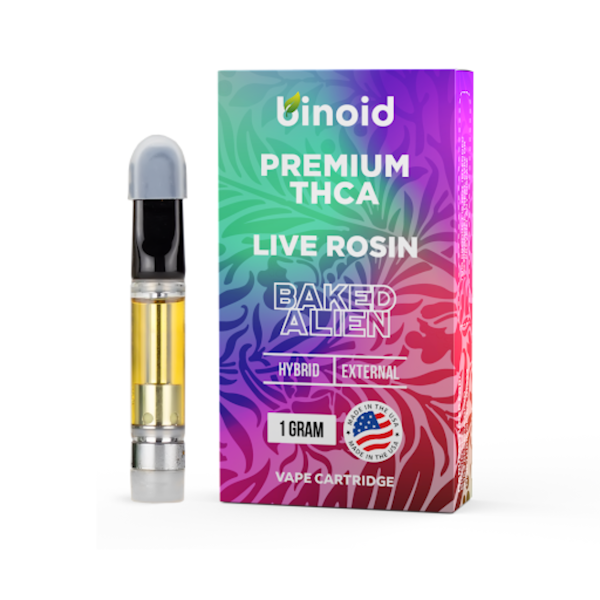
If you’re looking for a vape to enjoy once you’re home, Binoid’s THCA Vape Cartridge – Live Rosin pairs 99% THCA distillate with live rosin cannabis terpenes in a 1g, leak- and clog-resistant cartridge.
Choose from a selection of unique weed strains, including Baked Alien, Exotic Kush, Cranberry Haze, Mango Tango, Avatar OG, or Blue Walker.
Availability depends on state law; always check your local regulations before purchasing hemp-derived cannabinoid products.
Herb readers save 25% with code HERB25 at Binoid.

chris czermak
No. Recreational cannabis remains illegal throughout Italy, including Rome, and the low-THC “cannabis light” flower market that once operated in a legal gray area has been banned outright since April 2025.
Personal possession of a small amount is generally handled through an administrative process under Article 75 of DPR 309/1990, rather than criminal prosecution, but that doesn’t mean it’s legal. There’s no fixed statutory quantity that separates “personal use” from “dealing”; authorities look at the circumstances, packaging, concentration, and other evidence. Selling, supplying, or possessing cannabis with evidence of intended distribution can lead to criminal prosecution under Article 73, which is a different and much more serious track.

david kohler
Law 242/2016 supported the cultivation of approved industrial-hemp varieties and certain specified uses, but it didn’t provide a clear, unqualified authorization to sell hemp flower for consumption. In 2019, Italy’s Court of Cassation ruled that the commercial sale of hemp leaves, inflorescences, oil, and resin generally wasn’t covered by Law 242/2016 unless the specific product lacked any narcotic effect. In practice, this meant the pre-2025 “cannabis light” flower market operated in a legally disputed area rather than under a clear statutory right, even though shops operated visibly across the country, including in Rome.
Decree-Law 48/2025 took effect April 12, 2025, and was converted into Law 80/2025 in June 2025. Article 18 restricts the importation, processing, possession, distribution, and sale of hemp inflorescences and products containing or derived from them, including extracts, resins, and oils, while preserving a narrow exception connected to seed production. In practice, this closed the legal ambiguity that cannabis light shops had operated within, and the sector was severely disrupted, with reported closures and many businesses shifting to non-flower hemp products instead.
| Cannabis Type | Legal Status | Notes |
|---|---|---|
Cannabis light / CBD flower | Illegal since April 2025 | Sale and possession are banned regardless of THC content |
Recreational cannabis | Illegal | Personal-use possession is generally handled administratively rather than criminally |
Medical cannabis | Legal with an Italian prescription | Requires an Italian-licensed physician; foreign prescriptions aren't automatically recognized |
Industrial hemp (non-flower, no added cannabinoids) | Legal | Seeds, fiber, and textiles are permitted |
The key distinction tourists tend to miss: an administrative rather than criminal process for personal-use possession doesn’t mean cannabis is legal. It’s still illegal; you’re just less likely to face a criminal prosecution for simple personal possession specifically.

jorge salazar
The cannabis light retail sector that once operated across Rome has been severely disrupted since April 2025. Shops that previously sold hemp flower have generally closed, shifted to non-flower hemp products, or converted into general wellness stores. Any shop or vending machine still selling hemp flower or cannabis light products in Rome today is operating illegally, and purchasing from one carries the same legal exposure as buying cannabis from any other unlicensed source, regardless of how the seller markets it.
What remains legal:
A product labeled with “hemp seed oil” as an ingredient isn’t automatically a legal CBD product; hemp seeds themselves don’t naturally produce meaningful cannabinoids, so any added CBD in a product has come from elsewhere and may fall under the restricted material covered by the 2025 law. Verify what a product actually contains rather than assuming legality from packaging language.

miraxh tereziu
Article 75 addresses personal purchase, receipt, or possession of drugs for personal use. There’s no universal gram-based cutoff in the statute that automatically separates personal use from dealing; authorities assess the circumstances, quantity, packaging, and other evidence in each case.
Possible consequences under Article 75 for cannabis generally include:
Importantly, the passport-related consequence under Article 75 applies to documents issued by Italian authorities. For a foreign tourist, that generally isn’t your home country’s passport; consequences for foreign visitors depend on their specific nationality and immigration status, and may involve other administrative or immigration-related effects rather than suspension of a foreign-issued passport.
Selling, supplying, or possessing cannabis with evidence of intended distribution, such as packaging suggesting sale, multiple separate quantities, or other indicators, can lead to criminal prosecution under Article 73, which carries substantially higher stakes: 2 to 6 years’ imprisonment and fines of €5,164 to €77,468. A purchase alone doesn’t automatically convert someone into a defendant under this article; the distinction depends on the evidence in each specific case. Pretrial detention and any immigration consequences, including potential expulsion following a conviction, are decided individually based on the facts and aren’t automatic outcomes of a cannabis-related case.

gabriella clare marino
Enforcement can be more visible in high-traffic areas like transit hubs, major tourist sites, and the Vatican area, and less visible in some residential or university neighborhoods. That said, “lower visible enforcement” never means an area is safe or legal; administrative sanctions apply throughout Rome regardless of neighborhood, and police presence can change without notice.

caleb miller
If you have a legitimate prescription for cannabis-based medicine, don’t assume it will simply be accepted in Italy without preparation.
Residents of a Schengen state traveling within the Schengen area typically use the Schengen medical certificate for controlled medicines, which covers no more than a 30-day supply. Arrange this well before travel through your home health authority, and carry the original prescription and certificate along with the medication in its original pharmacy packaging.
Travelers from outside the Schengen area should follow the documentation requirements under Italy’s Ministry of Health decree of November 16, 2007, which generally applies to prescribed controlled medicines carried for personal treatment and, like the Schengen process, is generally limited to no more than a 30-day supply. Because specific cannabis preparations and national approvals differ, confirm your exact medication’s status directly with the Italian Ministry of Health or an Italian consulate before you travel, rather than assuming your home prescription transfers automatically.
Obtaining an Italian medical cannabis prescription as a visitor isn’t realistic for a short trip. It generally requires an Italian-licensed physician, is typically prescribed only after conventional treatments have been tried, and involves an evaluation process that takes real time. For a short visit, plan around your existing prescription and its documentation rather than trying to obtain a new one locally.

adison clark
Italy’s cannabis policy remains actively contested. The 2025 hemp restrictions are facing constitutional challenges, though the existence of those proceedings doesn’t by itself suspend or invalidate the law. Parliamentary debate about broader reform continues periodically, but the current government has shown no indication of reversing the 2025 restrictions. Plan your trip around the law as it currently stands, not around speculation about future changes.

chris czermak
For medical cannabis or import questions, Italy’s Ministry of Health (Ministero della Salute) can be reached at +39 06 5994-1, or through its website. Your home country’s embassy in Rome can provide consular assistance, attorney referrals, and guidance if you run into a legal issue, though as with other countries, an embassy generally can’t resolve a legal proceeding on your behalf. This article isn’t legal advice; if you have a specific legal question about your situation, consult a qualified attorney familiar with Italian law before your trip.

Herb
Cannabis law changes quickly across jurisdictions, and Rome’s 2025 shift is a good example of why it’s worth checking current, official information rather than relying on outdated guides. Herb tracks these changes through its news coverage, and offers strain guides, product information, and how-to guides for understanding cannabis generally, particularly useful for markets where it’s actually legal to purchase.

fernando mola davis
Rome’s cannabis landscape changed meaningfully in 2025, and the real risk for tourists is more nuanced than a single headline penalty.
No. Recreational cannabis remains illegal in Italy for everyone, including tourists. Personal possession of a small amount is generally addressed through an administrative process under Article 75 rather than criminal prosecution, but it’s still illegal; there’s no fixed gram threshold that makes it legal. The April 2025 security decree also banned cannabis light (CBD flower) products entirely, eliminating the low-THC retail option tourists previously had access to.
Cannabis light referred to low-THC hemp flower that operated in a legally contested space under Law 242/2016 through April 2025; a 2019 Court of Cassation ruling had already found that commercial flower sales generally weren’t protected by that law unless the product lacked narcotic effect. Decree-Law 48/2025 then reclassified hemp inflorescences and related extracts, resins, and oils as narcotics outright. Today, there’s no meaningful legal distinction between cannabis light and other cannabis; both are illegal to sell or possess as flower products.
Yes. Tourists are subject to the same laws as Italian residents. For personal-use amounts, expect confiscation and a possible Article 75 administrative proceeding, which can include suspension of specified Italian-issued documents for one to three months, or a formal warning in a particularly minor first case; this process doesn’t typically involve a standard monetary fine or affect a foreign-issued passport. Conduct involving supply or distribution can instead lead to criminal prosecution under Article 73, carrying 2 to 6 years’ imprisonment and substantial fines, with detention and any immigration consequences decided individually based on the facts.
Italy’s Ministry of Health (Ministero della Salute) can be reached at +39 06 5994-1 or through its official website for questions about medical cannabis and documentation for prescribed controlled medicines. Your home country’s embassy in Rome can offer consular assistance and legal referrals if needed. Because Italian cannabis law changed significantly in 2025 and remains subject to ongoing legal challenges, verify current rules directly before traveling rather than relying on older guides.
No, not legally. Some older travel guides still reference cannabis light vending machines or shops that operated before April 2025, but any current operation selling hemp flower or cannabis light products is doing so illegally under the 2025 restrictions, regardless of how it’s marketed or how established it seems. Purchasing from one carries the same legal exposure as buying cannabis from any other unlicensed source. Ordinary hemp seed oil, hemp-based foods without added cannabinoids, and cannabis accessories remain legal options.
This guide is for informational and educational purposes only and does not constitute legal advice. Italian cannabis law changed significantly in 2025 and remains subject to legal challenge; confirm current details with Italy’s Ministry of Health or a qualified attorney before traveling.