How to Buy Weed in Vietnam: Hanoi, Ho Chi Minh City & What Backpackers Should Know
Understanding the severe legal risks, potential consequences, and what cannabis travelers to Vietnam actually need to know
Herb
March 18, 2026
This article contains sponsored content. Some of the products featured are part of paid partnerships. This page explains how our process works.

Herb
Understanding the severe legal risks, potential consequences, and what cannabis travelers to Vietnam actually need to know
March 18, 2026
If you’re searching for where to buy weed in Vietnam, you need to know this first: Cannabis is illegal in Vietnam and controlled as a narcotic under Vietnamese drug law. Tourists in Hanoi and Ho Chi Minh City face serious legal consequences ranging from hefty fines to years in prison, and the death penalty remains on the books for certain large-scale production or trafficking offenses. While you might be tempted to explore Vietnam’s cannabis scene, understanding the legal landscape through Herb’s comprehensive cannabis education resources is essential before making any decisions that could jeopardize your travel experience and personal freedom.

Vietnam’s drug laws are no joke. The penalties for cannabis are severe enough that the smart move is waiting until you’re somewhere legal. If you’re reading this from the U.S., Binoid’s 13,000mg Good Luck Gummies are a hemp-derived option worth a look where they’re permitted.
These are among the strongest gummies on the market, packing 433.33mg of cannabinoids per piece across a 30-count bottle for 13,000mg total. They come in 8 fun flavors like Galaxy Pop and Tropical Sunshine, and they’re vegan, gluten-free, and made in the USA. With over 1,240 reviews, they’ve earned their reputation. Just dose carefully.
Important: Restricted to adults 21+. Hemp-derived cannabinoid laws vary by state and are changing—confirm the laws where you live and that the retailer ships to you before ordering.

Ryan Le

Haupes / Unsplash
The fundamental reality every backpacker must understand is that Vietnam treats cannabis possession with real severity. There are no gray areas, no medical exemptions, and no recreational allowances available to consumers or travelers. The country maintains a strict prohibition that applies to locals and foreigners alike, and there is no reliable evidence of policy changes on the horizon as of March 2026.
Vietnamese law controls cannabis plants, cannabis preparations containing THC, and multiple THC isomers under the country’s narcotics decree. Vietnam uses its own classification system (List I / II / III / IV), not the U.S. “Schedule” terminology. Any possession, use, or distribution carries criminal penalties. This isn’t theoretical enforcement: authorities actively monitor tourist areas and have methods for identifying and apprehending offenders. The legal framework leaves no room for the “everyone does it” mentality that might exist in other Southeast Asian countries.
No. Unlike neighboring countries that may have decriminalized small amounts or turned a blind eye to tourist consumption, Vietnam maintains rigid prohibition. The government views drug offenses as serious crimes against national security and social order. This stance is deeply rooted in Vietnamese culture and political philosophy, making significant legal reforms unlikely in the near future.
Since Law No. 86/2025/QH15 took effect on July 1, 2025, Vietnam’s penalty structure is strictly quantity-based and escalates dramatically. Here is what the current law looks like for cannabis resin:
For illegal use: A fine of VND 1 to 2 million (~$40 to 80 USD) under Decree 144/2021. A person detected using drugs can be placed under management as an illegal drug user for one year; compulsory rehabilitation is not automatic and depends on separate addiction-status procedures and other legal conditions.
For illegal stockpiling: 1g to under 500g carries 3 to 5 years of imprisonment. 500g to under 1kg carries 5 to 10 years. 1kg to under 5kg carries 10 to 15 years. 5kg or more carries 15 to 20 years or life imprisonment. Courts may also impose an additional fine of VND 5 million to 500 million.
For illegal transport: 1g to under 500g carries 3 to 7 years, with higher brackets escalating to 20 years or life imprisonment for 5kg or more.
On the death penalty: The death penalty remains on the books for certain large-scale drug production or trafficking offenses in Vietnam, but the specific thresholds and offense types vary. You may see “over 600 grams = death penalty” cited in older travel guides or online forums, but that quantity threshold in the current statute actually relates to dried poppy fruits, not cannabis resin.
These penalties apply to foreigners within Vietnam’s borders. While some tourists report receiving only fines for minor possession, this outcome is never guaranteed and depends entirely on the arresting officer’s discretion and current enforcement priorities. Foreigners also face potential immigration consequences (visa effects, forced exit, or deportation) on top of criminal penalties, so the overall legal exposure can actually exceed what a Vietnamese citizen faces for the same offense.

Tran Phu
Hanoi’s historic Old Quarter represents a high-risk area for backpackers. The dense concentration of tourists combined with police presence creates conditions for enforcement. In January 2026, Hanoi police fined a man for soliciting foreign tourists with drug-related language in the Old Quarter, though police also said they found no evidence he actually possessed or delivered drugs.
What to watch for in Hanoi:
Ho Chi Minh City’s Pham Ngu Lao backpacker area and Bui Vien Walking Street carry risks for tourists. Anecdotal traveler reports describe scenarios where friendly locals or “guides” offer to connect tourists with cannabis, potentially leading to arrest or extortion. However, it is important to note that hard evidence documenting organized dealer-to-police handoff schemes or systematic corruption between dealers and law enforcement is lacking in current reliable sources. Treat these reports with appropriate caution, but also take the risk seriously.
What is well documented is that police conduct raids on nightlife venues and can drug-test patrons. Both the U.S. State Department and UK government guidance confirm this practice.

elsa olofsson
While the safest advice is to avoid cannabis entirely in Vietnam, understanding the risks of the black market is crucial for harm reduction.
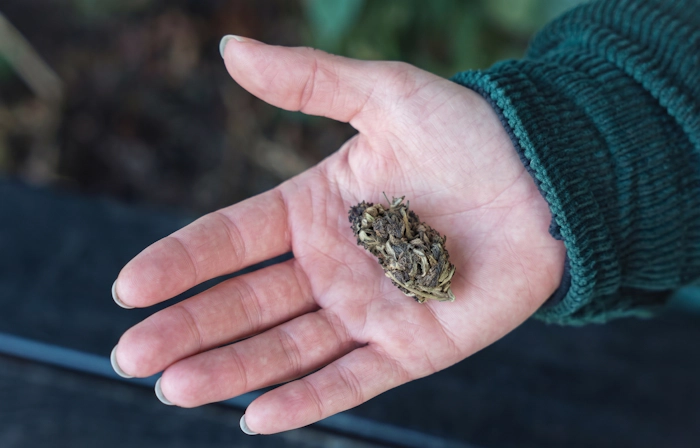
In Vietnam’s unregulated market, quality assessment is unreliable, but basic indicators include:
However, these indicators provide no guarantee of safety or legality. The absence of any regulatory oversight means even “high-quality” cannabis could contain dangerous contaminants.

Photo by MIND AND I / Adobe Stock Photo
It’s tempting to think that consuming in private is safer, but UK travel guidance explicitly warns that police may conduct drug testing at private residences or parties when responding to reported disturbances. There is no reliable “safe space” for cannabis use in Vietnam.
The bottom line is that no location in Vietnam can be considered low-risk for cannabis consumption.

Silver Ringvee
Vietnamese drug policy and public discourse remain broadly anti-drug, and research has documented stigma around drug use in Vietnamese society. While individual attitudes may vary, especially among younger urban populations, there is no current authoritative survey data to confirm specific generational breakdowns on cannabis acceptance.
Vietnamese culture emphasizes respect for authority and law. Engaging in illegal drug activity is seen as disrespectful to Vietnamese society. Even if you avoid legal consequences, your actions may damage relationships with local friends and create negative perceptions of foreign tourists.
The hospitality Vietnamese people show tourists doesn’t extend to covering for illegal activities. Most locals will understandably want to distance themselves from foreigners involved in drug offenses to protect their own safety and reputation.
cosmin ursea
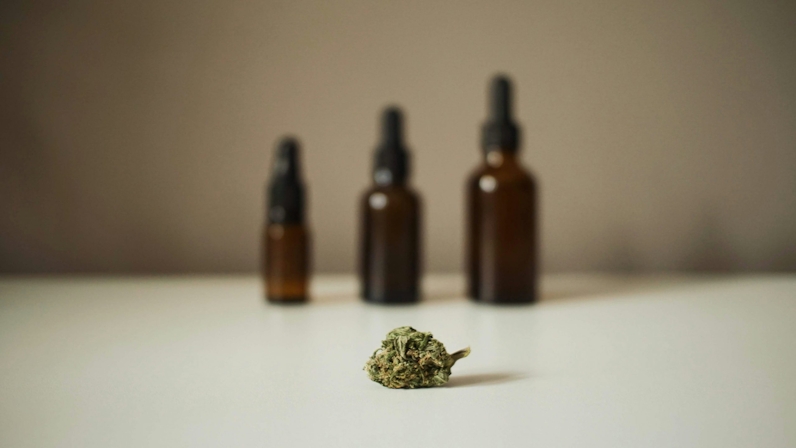
Here’s where it gets tricky. You may have seen claims online that CBD products with less than 0.3% THC are legal and available in Vietnamese pharmacies. However, there is currently no verified official Vietnamese source confirming a general retail carve-out that makes sub-0.3% THC CBD products broadly legal for consumers. The current narcotics decree explicitly controls cannabis plants, cannabis preparations containing THC, and THC isomers, while the drug-control law states that lawful narcotics-related activities must be those permitted by competent authorities.
Until an official source clearly establishes a legal retail CBD regime, travelers should not assume any CBD product is legal in Vietnam. Purchasing a product labeled as “CBD” that turns out to contain THC could result in cannabis possession charges.
If you rely on CBD for therapeutic purposes, your safest options are to consult your embassy for current guidance before traveling, consider leaving CBD products at home for this trip, and look into non-cannabis wellness alternatives available in Vietnam.

HERB
As of March 2026, there is no reliable evidence of any active recreational-legalization or public medical-cannabis initiative in Vietnam. Travelers should still monitor government policy statements regarding drug law reform, enforcement pattern changes in tourist areas, any regulatory updates that might affect CBD or cannabis product availability, and international developments that could influence Vietnamese drug policy.
herb
Do:
Don’t:

ammie ngo
While Vietnam presents significant legal challenges for cannabis consumers, Herb provides the essential educational foundation that helps travelers make informed decisions about cannabis globally. As the #1 cannabis community for Millennials and Gen Z with 14 million passionate community members, Herb’s comprehensive approach goes far beyond simple product listings.
Herb delivers unique value through its integrated educational platform designed specifically for cannabis consumers seeking knowledge, safety, and community:
Unlike generic travel resources that may provide outdated or incomplete information about cannabis legality, Herb combines global cannabis knowledge with deep educational content, helping travelers understand not just local laws, but how to evaluate risks, identify quality, and make informed decisions about cannabis consumption worldwide.
For travelers serious about cannabis safety and education, Herb’s comprehensive approach provides the tools and information needed to navigate complex legal landscapes while expanding cannabis knowledge and connecting with a passionate global community.

constant loubier
No, consuming cannabis in public places in Vietnam is extremely unsafe and carries high risk of arrest. Police actively monitor tourist areas and conduct raids on nightlife venues, where they can drug-test patrons. Both the U.S. State Department and UK government confirm these practices. Public consumption dramatically increases your likelihood of arrest, fines, and potential deportation. Even in areas where you observe others consuming, the legal risk remains the same for foreigners.
Buying cannabis from street vendors in Vietnam carries multiple serious risks. These include potential arrest (whether through coordinated setups or routine enforcement), contaminated products containing dangerous substances, severe overcharging with threats of reporting if you complain, and no legal recourse if you receive bad products. In January 2026, Hanoi police fined a man for soliciting tourists with drug-related offers in the Old Quarter, illustrating that these interactions attract law enforcement attention.
Vietnamese criminal law applies broadly to everyone within Vietnam’s borders, and the government has emphasized strict punishment regardless of nationality. However, saying foreigners face the “exact same” consequences is not quite accurate: foreign nationals also face potential immigration consequences on top of criminal penalties, including visa cancellation, forced exit, deportation, and a 3-year suspension from re-entering Vietnam following deportation under current entry law. So the total legal exposure for foreigners can actually be greater.
No, there are no areas in Vietnam where cannabis is officially tolerated. The legal prohibition applies nationwide. Tourist areas may actually see heightened enforcement activity due to the concentration of potential targets. UK travel guidance also notes that police may conduct drug testing at private residences or parties when responding to reported disturbances, so private settings are not reliably safe either. Any perception of tolerance is based on inconsistent enforcement rather than actual legal acceptance.
If arrested for cannabis possession in Vietnam, remain calm and cooperative, do not resist arrest, and immediately request to contact your embassy. The U.S. State Department explicitly advises arrested citizens to ask police or prison officials to notify the embassy or consulate right away. Save embassy contact information before traveling: U.S. Embassy Hanoi (+84 24 3850 5000) or U.S. Consulate HCMC (+84 28 3520 4200). Hire a Vietnamese criminal defense attorney immediately, as navigating the legal system without representation significantly increases penalties and complications.
No, there is no public medical cannabis program available to consumers or travelers in Vietnam as of 2026. There are no dispensaries or legal pathways for medical cannabis use. Even patients with legitimate medical needs from other countries cannot legally import or use medical cannabis in Vietnam. Strictly speaking, Vietnamese law does allow certain drug-related activities under state permission for purposes like research, testing, medicine, defense, or security, but none of these apply to individual consumers or travelers. Regarding CBD: there is currently no verified official source confirming a general retail-legal CBD regime for consumers, so do not assume CBD products are legal without checking with your embassy first.