How to Buy Weed in Cartagena: Colombia’s Caribbean Coast, Tourist Scene & What’s Legal
Colombia decriminalized personal cannabis possession, but buying and selling remain illegal. Here's how the law, medical access, and real safety risks actually work in Cartagena.
Cartagena’s sun-drenched colonial streets, Caribbean beaches, and vibrant nightlife draw millions of visitors annually, many wondering about cannabis access in a country famous for its complex drug history. Before exploring this Caribbean coastal city, understanding Colombia’s legal framework matters. Whilecannabis strains vary worldwide, the rules governing their purchase differ dramatically from what tourists experience in legal U.S. states or European markets. The reality: personal possession is decriminalized, but all recreational sales remain illegal, creating a confusing landscape that catches many visitors off guard.
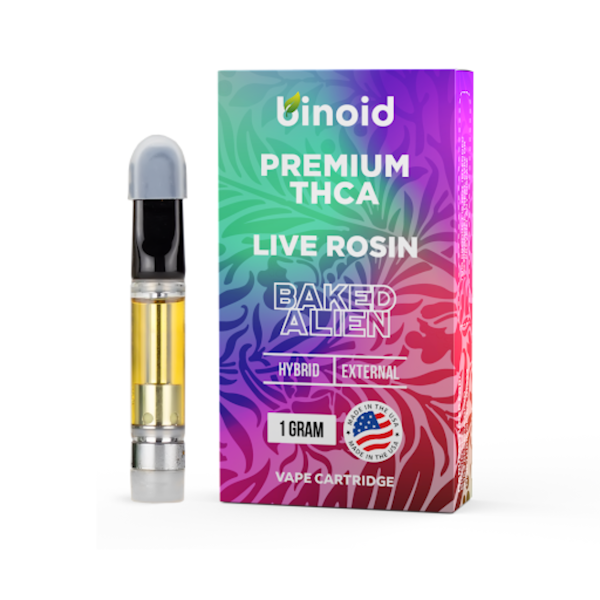
Cartagena is not the place to experiment. Save it for when you’re back home in a legal state, where Binoid’s THCA live rosin cartridges run premium 99% THCA distillate paired with live rosin terpenes instead of the generic blends most 1-gram carts use. Six strains to choose from, including Mango Tango, Avatar OG, and Cranberry Haze, in hardware built not to clog or leak. Currently $30.99, down from $59.99.
Important: Legality varies by state, and a narrower federal hemp definition is scheduled to take effect in late 2026; verify state laws before purchasing.
Personal cannabis possession up to20 grams is decriminalized in Colombia, but buying and selling remain illegal
Medical cannabis has been legal since Law 1787 of 2016. A more recentDecree 1138 of 2025 authorized cannabis flower as a finished medical product, dispensed through licensed pharmaceutical establishments with a prescription
Trafficking and possession-with-intent-to-distribute charges under Colombia’s Penal Code can carry10 to 30 years in prison, depending on quantity, conduct, and aggravating circumstances
Medical consultations reportedly cost an estimated $25-$60 USD for those pursuing legal access, though prices vary and should be confirmed directly
The UK Foreign Office, U.S. State Department, and Australian Smartraveller all warn about drug-related scams targeting tourists in Colombia
Scopolamine (“Devil’s Breath”) incidents, which can incapacitate or disorient victims, remain a serious safety concern in Cartagena’s tourist zones
Herb provides comprehensivecannabis education and up-to-date legal information for travelers worldwide
Understanding Colombia's Cannabis Laws: A National Overview
simon sun
Colombia’s cannabis regulations confuse many visitors because decriminalization differs significantly from legalization. The country operates under a framework that permits personal possession while criminalizing commercial transactions.
Is Cannabis Legal in Colombia?
Colombia’sConstitutional Court ruling (C-221 of 1994) established the foundation for decriminalized personal use. Under this framework and subsequent legislation:
Personal possession limit: Up to 20 grams for personal use carries no criminal charges
Home cultivation: Up to 20 plants for personal use became decriminalized in 2015
Medical cannabis: Legal since Law 1787 of 2016, regulated through Decree 811 of 2021 and, more recently, Decree 1138 of 2025, with access requiring a Colombian-licensed physician’s prescription
Recreational sales: Remain completely illegal with serious criminal penalties
The critical distinction: possessing small amounts won’t land you in prison, but buying or selling cannabis involves an illegal transaction that exposes both buyer and seller to legal risk.
What Governs Public Consumption and Possession Today?
Law 30 of 1986 established Colombia’s drug policy foundation. A 2018 decree once let police fine people for carrying personal-dose amounts of any drug in public, but that decree,Decree 1844 of 2018, was repealed by Decree 2114 of 2023. Personal-dose possession can no longer be fined under that specific mechanism, but public consumption and possession are still regulated under Colombia’s Police and Coexistence Code (Law 1801 of 2016), as amended byLaw 2000 of 2019, particularly around:
School perimeters, which local mayors define and are required to mark clearly
Parks and sports or recreational centers
Other public spaces mayors designate as frequented by minors, such as certain historic or cultural zones
Local enforcement can be stricter in tourist zones and historic centers, and police retain authority to confiscate and destroy substances found in public, even within the personal-use threshold. Administrative fines may still apply depending on the specific conduct and location; the amounts are tied to statutory fine categories that change over time, so they should be checked against the current Police and Coexistence Code fine schedule rather than assumed.
Cartagena's Cannabis Scene: What Tourists Need to Know
jose fuentes
Cartagena’s tourist districts each present different risk profiles for cannabis-seeking visitors. Understanding these geographic realities helps travelers make informed decisions.
Tourist Expectations vs. Reality
Many visitors arrive expecting Amsterdam-style coffee shops or California dispensaries. The reality proves starkly different:
No legal recreational dispensaries exist anywhere in Colombia
Street vendors operate illegally throughout tourist zones
Police presence remains heavy in popular areas
Tourist-targeted enforcement and shakedowns are reported to occur
Popular Areas for Cannabis Access
Old City/Centro (Walled City): A higher-risk area with heavy police surveillance, aggressive vendors reported outside the walled city gates, and frequent tourist-trap pricing.
Getsemaní Neighborhood: The backpacker hub where the Calle de la Media Luna area hosts an active street market, typically reported to operate from 6:00 PM to midnight. Police awareness of this activity means periodic sweeps occur.
Bocagrande (Beach Zone): Heavy hotel security and police patrols focused on tourist protection make this area risky for any cannabis-related activity.
Is Cannabis Legal for Tourists in Cartagena?
#SaboraColombia
Foreign visitors face the same legal framework as Colombian residents, with some added complications. Decriminalization of personal possession technically applies to everyone, but practical enforcement creates a different picture.
Tourist Legal Realities for Cannabis Use
While the 20-gram personal possession limit applies regardless of nationality, tourists face heightened scrutiny:
Police retain discretion to search, confiscate, and, in some circumstances, fine
Fine amounts vary by conduct and location and should be checked against current statutory schedules rather than assumed
Foreign medical cannabis prescriptions are not recognized
Language barriers complicate interactions with law enforcement
Consequences for Tourists Buying Weed
Every purchase, regardless of quantity, constitutes participating in an illegal transaction. The Colombian Penal Code treats these offenses seriously, with potential consequences including:
Arrest and detention
Deportation proceedings
Criminal record affecting future travel
Significant legal fees for defense
Finding Cannabis in Cartagena: Tips for Discretion and Safety
ricardo gomez angel
The following section describes illegal activities with serious legal and safety risks. This information is provided for harm reduction purposes only.
What to Avoid
Multiple travel safety organizations identify consistent dangers for tourists seeking cannabis in Cartagena:
Street Vendor Risks:
Product quality unknown and unverifiable
Police shakedowns and extortion reported by travelers
Scams targeting tourists, including bait-and-switch tactics
Possible coordination between vendors and corrupt police, according to some traveler reports
Online “Delivery Services”:
No legal recreational delivery services exist in Colombia
Platforms operating without prescription verification are illegal
These combine illegal transaction risk with potential scams
Not recognized by Colombian health authorities
Safety Precautions If Proceeding
For those who choose to accept the risks, harm reduction strategies include:
Never give dealers your phone number or follow them to secondary locations
Carry only passport photocopies (keep the original in your hotel safe)
Avoid isolated areas for any transactions
Never carry cannabis in high-surveillance tourist zones
Know emergency contacts: National Police Emergency at 123
Medical Cannabis in Colombia: Access & Requirements
Herb
Colombia’s medical cannabis framework is the more clearly regulated pathway, though it’s built for patients rather than tourist convenience. Decree 1138 of 2025 authorized cannabis flower as a finished medical product for the first time, expanding access beyond oils and extracts, dispensed through licensed pharmaceutical establishments that prepare it as a compounded formulation against a valid prescription.
How Medical Access Generally Works
Step 1: Medical Consultation
Schedule an appointment with a Colombian-licensed physician
Bring a valid passport and relevant medical history documentation
Eligibility for a cannabis prescription is determined by the treating physician under Colombian medical rules, not a fixed public list of conditions
Consultation costs are reported at roughly 100,000-250,000 COP ($25-$60 USD), though prices vary and should be confirmed directly with the provider
Step 2: Receive a Prescription
Must be written by a Colombian-licensed physician
Specifies product type (flower, oil, tincture) and dosage
Foreign prescriptions from home countries are not accepted
Step 3: Fill the Prescription Through a Licensed Provider
Prescriptions are filled through pharmaceutical establishments authorized to prepare and dispense cannabis-based formulations
Present your prescription and passport at the point of dispensing
Do not assume any specific retail pharmacy chain stocks cannabis flower on general shelves; availability, participating providers, and dispensing requirements should be verified directly with Colombian health authorities or a licensed provider before you rely on this route
This route requires time and planning but offers legal protection and quality-controlled products for genuine patients. Reviewingcannabis guides before your trip helps you understand what products might suit your needs.
What Are the Penalties for Cannabis Offenses in Cartagena?
Ricky Beron
Colombian law treats drug trafficking as a serious crime with significant consequences. Article 376 of the Colombian Penal Code is the primary provision covering trafficking, manufacturing, and carrying narcotics, with Article 384 setting out aggravating circumstances that can increase exposure further.
Consequences of Illegal Cannabis Possession
Within the Personal-Use Threshold (under 20g, for genuine personal use):
Possible administrative fines, depending on conduct and location, tied to current statutory fine categories
Police confiscation of the product
Potential harassment or shakedown attempts reported by travelers
Generally no criminal charges, absent evidence of distribution or sale
Above the Personal-Use Threshold, or Where Distribution Is Inferred:
Colombian law defines personal-dose amounts as those carried for one’s own consumption; an amount carried for distribution or sale is not treated as a personal dose, regardless of quantity
Possession above the threshold, or any amount where authorities infer an intent to distribute or sell, can expose a person to criminal investigation and trafficking or possession charges
Article 376 sets prison terms that canrun 10-30 years, with aggravating circumstances under Article 384 capable of increasing that exposure; exact penalties depend on amount, conduct, and circumstances
None of that is worth a cart. The safe play is waiting until you’re back on US soil in a legal state, where products likeBinoid’s THCA Live Rosin Carts offer compliant hemp, delivered straight to your door. You get 99% THCA distillate with live rosin terpenes across six strains, all in a non-clogging, non-leaking 1-gram device. From $30.99.
Important: Legality varies by state, and a narrower federal hemp definition is scheduled to take effect in late 2026; verify state laws before purchasing.
Cultural Context of Cannabis Use in Cartagena and Colombia
ricardo gomez angel
Understanding local attitudes helps visitors respect the communities they’re visiting. Colombia’s relationship with cannabis reflects both indigenous traditions and the country’s complex narco-history.
Local Attitudes Towards Cannabis
Personal cannabis use carries less stigma than many visitors expect, particularly among younger Colombians. However, the country actively pushes back against “narco-tourism” stereotypes that harm its international image.
Cultural Considerations:
Discretion is valued even where personal use is tolerated
Public consumption generates genuine community complaints
Respect for local customs includes keeping consumption private
Caribbean Influence on Cartagena's Culture
As Colombia’s Caribbean coast gateway, Cartagena blends African, indigenous, and Spanish heritage. Cannabis use exists within this cultural tapestry but doesn’t define it. The city’s UNESCO World Heritage Old City, world-class cuisine, and musical traditions offer experiences far more rewarding than navigating its gray-market cannabis scene.
Preparing for Your Trip: Weed & Travel Advisories for Cartagena
mauro lima
Essential Pre-Trip Checks
Before traveling, consult official government travel advisories:
All major travel advisories highlight scopolamine (“Devil’s Breath”) as a serious threat in Cartagena. Government advisories describe it as a drug that can incapacitate or disorient victims, making them vulnerable to robbery, assault, extortion, or kidnapping, sometimes with limited memory of the event afterward.
Prevention:
Never accept food, drinks, cigarettes, or gum from strangers
Watch drinks being prepared
Don’t leave beverages unattended
Be especially cautious in bar and club settings where drugs may be discussed or offered
Emergency Contacts
National Police Emergency: 123
U.S. Embassy Bogotá: +57 1 275-2000
UK Embassy Bogotá: +57 1 326-8300
Canadian Embassy Bogotá: +57 1 657-9800
Australian Embassy Bogotá: +57 1 638-3800
Why Herb Helps You Stay Informed on Global Cannabis Laws
michael baron
Staying current on cannabis regulations across different countries and states requires reliable, frequently updated resources.Herb serves as a comprehensive platform forcannabis education, providing the context travelers need before visiting destinations with complex laws like Colombia.
What Herb Offers:
Strain Information: Exploredetailed strain profiles to understand what products exist in different markets and their effects
For travelers considering cannabis access abroad, Herb’s educational approach provides the knowledge foundation for making informed decisions, whether that means pursuing legal medical access or simply appreciating a destination’s many other attractions.
Final Verdict
Cartagena offers an extraordinary trip on its own merits, and cannabis access shouldn’t be the deciding factor in how you experience it. Here’s how the decision breaks down:
Hoping to buy cannabis recreationally? There is no legal path to do so anywhere in Colombia. Personal possession under 20 grams is decriminalized, but every purchase is still an illegal transaction that exposes both sides to legal risk.
Considering the street market anyway? Understand the realistic risks: unverifiable product quality, reported police shakedowns, scams, and the possibility that a small purchase escalates into a serious legal problem if authorities infer distribution.
Genuinely need cannabis for a medical reason? Colombia’s medical framework, most recently updated by Decree 1138 of 2025, is the more defensible path, but it requires a Colombian-licensed physician’s evaluation and prescription. Foreign prescriptions don’t transfer, and this route takes real time and planning.
Worried about scopolamine or other drink-spiking risks? Treat it as seriously as the travel advisories do. Never accept food, drinks, or cigarettes from strangers, and watch your drinks being made.
Mainly here for the city itself? Cartagena’s UNESCO Old City, Caribbean coastline, and food scene offer more reliable rewards than navigating a legally uncertain cannabis market.
The honest answer to “how to buy weed in Cartagena” is that recreational purchase is illegal regardless of amount, personal possession is decriminalized but not the same thing as legal access, and the medical route, while real, is built for patients rather than tourists looking for a quick purchase.
Frequently Asked Questions
Is it safe to buy weed in Cartagena as a tourist?
All recreational cannabis purchases in Cartagena involve illegal transactions with real risks. Beyond legal consequences, including potential arrest and deportation proceedings, tourists face scams, reported police shakedowns, and personal safety threats. The street market exposes buyers to unknown product quality, aggressive vendors, and, according to some traveler reports, possible coordination between dealers and corrupt police. For most visitors, the risks substantially outweigh any potential benefit.
What are the possession limits for cannabis in Colombia?
Colombian law decriminalizes personal possession of up to 20 grams of cannabis and cultivation of up to 20 plants for personal use. These limits apply to both Colombian residents and foreign visitors. However, amounts carried with an intent to distribute or sell are not treated as a personal dose, regardless of quantity, and exceeding the threshold or showing signs of distribution can expose someone to criminal investigation and trafficking-related charges. Police retain discretion to question, confiscate, and, depending on conduct and location, fine individuals even within legal limits.
Can I smoke weed legally on Cartagena's beaches?
Generally no, though the details depend on local rules rather than a single nationwide ban. Colombia’s Police and Coexistence Code, as amended by Law 2000 of 2019, restricts consumption and possession, including the personal dose, around school perimeters, parks, and sports or recreational areas, with mayors empowered to define and mark specific restricted zones. Local authorities in tourist-heavy cities often apply stricter enforcement in historic centers and beach areas. Violators can face confiscation and, depending on the specific conduct, administrative fines.
Are there medical cannabis dispensaries in Cartagena?
Colombia legalized medical cannabis under Law 1787 of 2016, and Decree 1138 of 2025 authorized cannabis flower as a finished medical product for the first time. However, tourists must first obtain a valid Colombian prescription from a locally licensed physician. Foreign prescriptions are not recognized. Licensed pharmaceutical establishments then prepare and dispense the prescription, rather than operating as walk-in recreational dispensaries. The process requires time, a medical consultation (reportedly $25-$60 USD), and proper documentation, and specific participating providers should be confirmed directly.
What is the difference between decriminalization and legalization in Colombia?
Decriminalization means personal possession carries no criminal charges, but the substance remains technically illegal to buy or sell. Legalization would permit regulated commercial sales, which Colombia has not done for recreational cannabis. In Colombia, possession under 20 grams for genuine personal use is decriminalized, but all buying and selling remains illegal, and larger amounts or evidence of distribution can trigger trafficking-related charges. This creates a situation where holding a small amount of cannabis is tolerated, while acquiring it through any commercial transaction remains against the law for recreational users.
This article is for informational purposes only and does not constitute legal advice. Cannabis laws vary by jurisdiction and are subject to change. Always verify current regulations with official sources before traveling. Herb does not encourage the purchase or use of cannabis in jurisdictions where it is illegal.