
chaofeng
How to Buy Weed in Dominica: 2026 Visitor’s Guide
Dominica decriminalized personal possession in 2020 and is among the Eastern Caribbean's most active cannabis reform jurisdictions. Here is what every visitor needs to know.

How to buy weed in Dominica in 2026: you cannot purchase cannabis at a licensed dispensary, as no legal retail market exists. Personal possession of up to 28 grams is decriminalized for adults 18 and older under the 2020 Drugs (Prevention of Misuse) Amendment Act. Dominica is among the Eastern Caribbean jurisdictions with notable cannabis reform momentum, especially for travelers interested in ecotourism and policy development rather than retail access. The government has an active National Cannabis Advisory Committee, a landmark National Cannabis Symposium held in July 2025, and Dominica’s National Cannabis Advisory Committee is expected to recommend a National Cannabis Regulatory Commission, with work toward a Medicinal Cannabis Bill and licensing framework underway.
One geography note before we continue: the Commonwealth of Dominica and the Dominican Republic are two entirely separate nations, on different islands, with different governments, different official languages, and completely different cannabis laws. Most search results for “how to buy weed in Dominica” mix them up. This guide covers the Commonwealth of Dominica, the Nature Isle, not Punta Cana.
Cannabis enthusiasts traveling to the Nature Isle need to understand where the law actually stands and where it is headed. That knowledge is the difference between a smooth trip and an avoidable legal problem.
Herb does not encourage cannabis purchase in jurisdictions where it is illegal.
Key Takeaways

Photo by Song_about_summer / Adobe Stock Photo
- Personal possession of 28 grams (1 oz) or less is decriminalized in Dominica for adults 18 and older, effective October 2020.
- Adults 18 and older may cultivate up to three cannabis plants at the place where they permanently reside. This is a residence-based cultivation allowance, not a tourist cultivation right.
- As of 2026, official government materials describe Dominica’s medicinal cannabis framework and licensing structure as under development, not operational; no licensed retail cannabis market is confirmed.
- Selling, supplying, and importing cannabis remain criminal offenses with penalties reaching 14 years in prison and EC$200,000 in fines.
- Dominica established its National Cannabis Advisory Committee in April 2025, tasked with building a full regulatory roadmap.
- The government hosted a landmark National Cannabis Symposium in July 2025, signaling serious institutional momentum toward a regulated medicinal industry.
- Dominica does not appear to have a clearly published, official CBD traveler policy or hemp-derived CBD threshold. Travelers should not assume that a U.S., U.K., or EU 0.3% THC standard will be recognized at customs.
- Dominica is NOT the Dominican Republic. They are separate countries with entirely different cannabis laws.
Dominica vs the Dominican Republic: Know the Difference
ruddy corporan
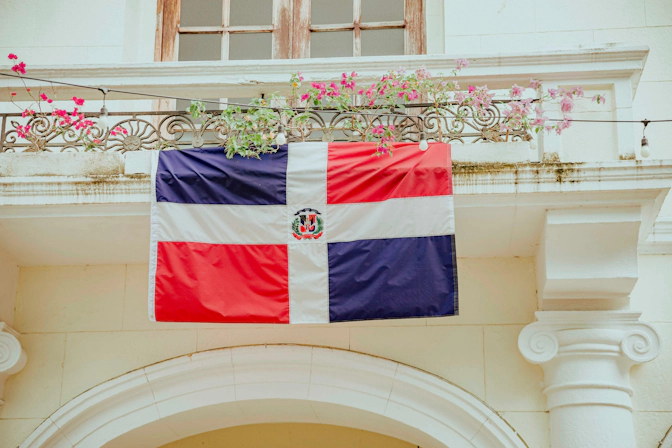
Before discussing cannabis on this island, sort out which island you are actually talking about.
The Commonwealth of Dominica (pronounced “dom-in-EE-ka”) is a small, volcanic Eastern Caribbean nation tucked between Guadeloupe and Martinique. It covers 290 square miles of dense rainforest, volcanic peaks, and black-sand beaches. Its population is roughly 70,000 people. It is governed from Roseau, its capital, and has built its identity around being the “Nature Isle of the Caribbean,” home to one of the world’s most ecologically intact environments outside a laboratory.
The Dominican Republic is an entirely different country. It occupies the eastern two-thirds of the island of Hispaniola, shared with Haiti, and has a population of over 11 million people. Punta Cana and Santo Domingo are in the Dominican Republic. Cannabis is strictly illegal there under Law 50-88; possession, use, cultivation, and distribution are criminalized, including for travelers, and penalties vary by offense and quantity.
If your travel plans include a resort in Punta Cana, you are looking for a different cannabis travel guide. This guide covers the Commonwealth of Dominica, the Nature Isle, which operates under a completely different legal framework and a reform story worth knowing.
Is Weed Legal in Dominica? Current Status in 2026

jamie tudor
Cannabis is partially decriminalized in Dominica but not fully legalized. For adults aged 18 and older, personal possession of 28 grams (one ounce) or less no longer triggers criminal charges. That change took effect in October 2020 under an amendment to the Drugs (Prevention of Misuse) Act passed by Dominica’s parliament.
Beyond that line, cannabis remains a Class B controlled substance. Selling it, supplying it, importing it, and exporting it are criminal offenses. As of this review, official government materials describe Dominica’s medicinal cannabis framework and licensing structure as under development, not operational; no licensed retail cannabis market is confirmed.
Here is the current legal snapshot:
- Possessing up to 28g (adults 18+): Decriminalized
- Cultivating up to 3 plants at permanent residence (adults 18+): Decriminalized
- Purchasing from a licensed retailer: No licensed market exists
- Selling or supplying cannabis: Criminal offense
- Importing cannabis into Dominica: Criminal offense
- CBD products: No clearly published official traveler policy; treat with caution
- Medical cannabis access: Regulatory framework in development
The picture is changing. Dominica’s regulatory development is among the most active in the Eastern Caribbean, and the institutional steps taken in 2025 signal a government that has moved beyond discussion toward actual framework-building.
What Dominica's Decriminalization Means for Visitors

herb
Dominica’s parliament passed the cannabis decriminalization amendment on October 26, 2020, under an amendment to the Drugs (Prevention of Misuse) Act. The 2020 law covers two specific areas.
Personal possession. Adults 18 and older may possess up to 28 grams (one ounce) without facing criminal charges. This is a meaningful threshold that reflects the weight of a typical personal supply.
Home cultivation. Adults 18 and older may cultivate up to three cannabis plants at the place where they permanently reside. This provision directly acknowledged the reality of small-scale growing that had been practiced on the island for decades. This is a residence-based cultivation allowance, not a tourist cultivation right.
The legislation also included a retroactive element: prior convictions for possession of 28.35 grams or less were treated as spent convictions, acknowledging the disproportionate impact that decades of cannabis enforcement had on working-class and rural communities. Note that the spent-conviction provision does not apply to persons under 18.
For visitors, the decriminalization creates important protections, but with caveats that travelers often miss.
Dominica’s 2020 law was written with residents in mind, not an international visitor exemption framework. Bringing cannabis from another country into Dominica constitutes importation, which is a criminal offense regardless of the amount carried. The decriminalization protects personal possession on the island. It does not protect the act of acquiring cannabis through an unlicensed source, and it does not protect the seller. Purchasing from a local seller, even if your own possession is technically decriminalized, means that seller is engaged in criminal supply activity.
For a broader overview of what visitors need to know about carrying cannabis internationally, Herb’s cannabis travel guide covers the key rules and risks.
Cannabis Reform Momentum: Where Dominica Stands in 2026

HERB
Dominica’s reform story in 2025 and 2026 is the most consequential chapter since the 2020 decriminalization. The shift from informal policy discussion to institutional infrastructure happened quickly and visibly.
The National Cannabis Advisory Committee (April 2025)
Dominica officially launched the National Cannabis Advisory Committee on April 2, 2025. The committee’s mandate is to develop a National Road Map for a regulated local cannabis industry. Its work covers reviewing existing legislation, designing a regulatory framework for distribution and by-products, and positioning Dominica as a credible, competitive player in the international cannabis market.
According to the Office of the Prime Minister, the committee represents a “bold step” toward a sustainable industry that incorporates small-scale farmers and traditional cultivators, not just large commercial operators.
The National Cannabis Symposium (July 2025)
Dominica hosted its first National Cannabis Symposium on July 9 and 10, 2025, at the State House Conference Centre in Roseau. The two-day event was themed “Regulatory and Economic Environment for a Viable Medicinal Cannabis Industry” and brought together regional and international experts, policymakers, medical professionals, legal advocates, and grassroots organizations.
WIC News described it as a landmark event that advanced the national dialogue around cannabis policy, economic potential, licensing and regulation, traditional use, and sustainable cultivation.
What Is Coming Next
Dominica’s National Cannabis Advisory Committee is expected to recommend the establishment of a National Cannabis Regulatory Commission, and government communications indicate work toward a Medicinal Cannabis Bill and licensing framework. No official launch date has been announced for a licensed medical or retail cannabis market, and timing remains uncertain.
Reform trajectory here is not speculative. Official government actions, active legislative work, and the 2025 budget all document a clear government commitment to comprehensive cannabis legislation.
How Cannabis Culture Took Root on the Nature Isle

nario esprit
Cannabis arrived in the Caribbean through the forced movement of enslaved Africans and Indian indentured laborers, who carried both the plant and deep cultural knowledge of its uses for medicine, spirituality, and ritual. On Dominica, those roots took hold in the island’s agricultural fabric, where “weed,” “ganja,” and “herb” became embedded in rural life long before any modern reform conversation began.
Rastafarian communities in Dominica carry the strongest institutional relationship with cannabis as a spiritual practice. Rasta culture on Dominica has long emphasized living in harmony with nature, a philosophy that fits naturally with an island that calls itself the “Nature Isle” and counts its old-growth forest and volcanic rivers as its primary assets. For Rastafari practitioners, cannabis use is sacramental, a dimension of spiritual practice that the 2020 decriminalization partially acknowledged.
Outside Rastafarian tradition, cannabis has been part of Dominican folk medicine and community agriculture for generations. Small-scale cultivators grow tropical landrace varieties alongside other crops. The plant is as culturally embedded as dasheen or plantain.
For cannabis enthusiasts visiting Dominica, this cultural depth gives the island a different quality than a newly minted legal market in a tourist resort hub. The cannabis conversation here is tied to questions of sovereignty, identity, agricultural self-determination, and healing. Cannabis in Dominica is known locally as “weed,” “ganja,” or “herb,” with use historically tied to medicinal, spiritual, and recreational purposes across rural and coastal communities.
That context makes the ongoing reform meaningful beyond the economic case. The farmers and community advocates pushing for a regulated industry are the same people who have grown the plant for decades.
Dominica's Penalty Structure: What Visitors Risk

katrina mulfati
Decriminalization does not mean consequence-free. Understanding where the legal line sits, and what is on the other side of it, is essential for any visitor.
Decriminalized: Possession Under 28 Grams
For adults 18 and older, possession of 28 grams or less sits in the decriminalized zone. This does not eliminate every possible consequence (confiscation remains possible), but it removes the criminal conviction and the jail sentence that applied before 2020.
Criminal: Everything Beyond Personal Possession
Criminal penalties in Dominica for cannabis offenses above the decriminalized threshold are serious.
- Selling or supplying: Up to 3 years plus EC$100,000 on summary conviction; up to 14 years plus EC$200,000 on indictment
- Importing or exporting: Up to 3 years plus EC$100,000 on summary conviction; up to 14 years plus EC$200,000 on indictment
- Possession over 28g: For Class B possession, the official penalty table lists up to 12 months’ imprisonment and EC$10,000 on summary conviction, or up to 2 years and EC$20,000 on indictment
EC$200,000 is approximately USD $74,000 at current exchange rates. A 14-year sentence places cannabis supply offenses in the same severity band as serious violent crimes under Dominican law.
Public consumption is expressly prohibited. Smoking, vaping, or otherwise using cannabis or cannabis resin in a public place is an offense punishable on summary conviction by a fine of EC$1,500, although that conviction does not form part of the person’s criminal record. The Act defines “smoking” to include vaping or similar consumption methods.
Visitors face a clear risk profile:
- Traveling with cannabis from another country is importation, a criminal offense regardless of amount. The decriminalized possession limit does not apply to imports.
- Buying from a local unlicensed seller puts the seller at serious criminal risk for supply. Even if your possession of the resulting amount is technically decriminalized, participating in a supply transaction has consequences for the local person you bought from.
- Carrying more than 28 grams puts you back into criminal territory with real jail-time exposure.
How to Buy Weed in Dominica: Practical Reality for Visitors
herb
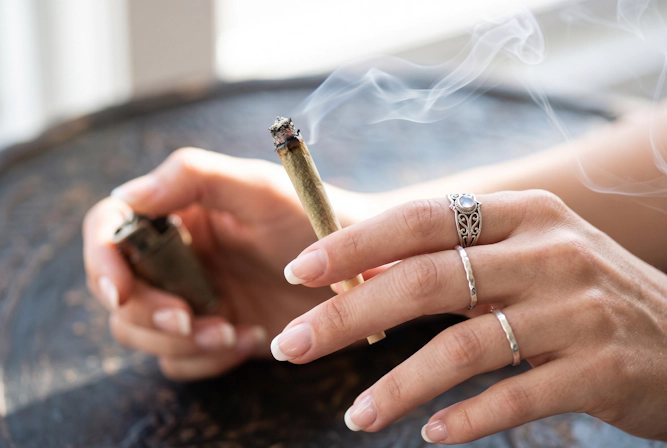
Buying weed in Dominica in 2026 is not possible through a licensed dispensary: as of this review, no licensed retail cannabis market exists. Adults 18 and older may legally possess up to 28 grams under the 2020 decriminalization law, but there is no licensed supply chain, meaning any purchase involves an unlicensed seller who faces serious criminal risk.
Dominica has no dispensaries, no cannabis cafe culture, and no tourist-facing legal retail experience as of mid-2026, but it is among the most compelling reform stories in the region. Dominica is not Amsterdam, and it is not Jamaica, where licensed herb houses operate under the Cannabis Licensing Authority.
What does exist is the cultural presence of cannabis woven into daily life in a way that visitors encounter organically on a small island of 70,000 people with deep agricultural and Rastafarian traditions. Some community guides have begun incorporating discussions of traditional herbal use and medicinal plant heritage into their tours, which fits naturally with Dominica’s wellness and ecotourism positioning.
What to Avoid
Photo by kieferpix / Adobe Stock Photo
- Do not bring cannabis across the border. Even a small amount constitutes importation, which carries criminal penalties regardless of how the decriminalized possession limit applies on the island.
- Do not purchase from unlicensed sources. Decriminalization protects your possession. It does not protect the seller. Participating in an unlicensed transaction puts a local community member at serious legal risk.
- Do not carry more than 28 grams under any circumstances. Above that threshold, you are in criminal territory.
- Do not consume publicly. Public consumption is expressly prohibited and carries a fine of EC$1,500, even though that conviction does not form part of your criminal record.
- Do not assume airport customs recognizes decriminalization. Border enforcement and domestic enforcement operate on different frameworks. Cannabis in your luggage is an importation issue, not a personal possession issue.
Cannabis-curious visitors have one genuinely useful approach right now: engage with the island’s culture and reform story, stay informed on regulatory developments, and wait for the licensed market that is actively under construction. When you return to a destination with legal retail, browse Herb deals to find the best options near you.
How Dominica Compares to Its Caribbean Neighbors
rock staar
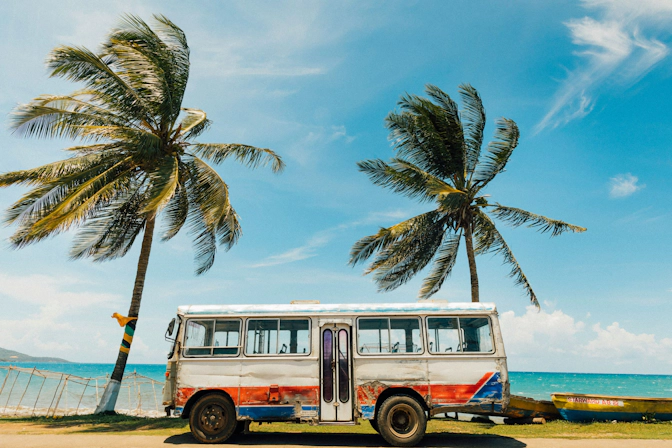
Eastern Caribbean nations have turned the region into one of the world’s most active cannabis reform clusters, with multiple small island nations pursuing decriminalization and medical legalization in overlapping timelines.
| Country | Possession Status | Medical Cannabis | Retail Available |
|---|---|---|---|
Jamaica | Decriminalized up to 56g | Licensed (JCRC) | Herb houses (limited) |
Barbados | Decriminalized up to 14g | Legalized 2019 | Regulated (limited) |
Antigua and Barbuda | Decriminalized up to 15g | Religious use allowed | No retail |
Dominica | Decriminalized up to 28g | Regulatory framework in development | No retail |
St. Kitts and Nevis | Decriminalized | Authority launched April 2025 | Limited |
Saint Lucia | Under legislative review | Draft law released | No retail |
Grenada | Decriminalized up to 56g (2026 law) | Under review | No retail |
Dominica’s decriminalization threshold of 28 grams is more generous than Barbados (14g) and Antigua and Barbuda (15g). The institutional progress of 2025 puts Dominica ahead of several neighbors on the regulatory development track.
Jamaica remains the gold standard for Caribbean cannabis tourism. Licensed herb houses, a functioning Cannabis Licensing Authority, and decades of cannabis culture make Jamaica the destination for visitors specifically seeking a legal, licensed experience. Barbados offers an operational medical cannabis system. For visitors whose primary goal is accessing legal cannabis on this trip, those destinations deliver what Dominica does not yet offer. Herb’s weed-friendly resort guide covers cannabis-friendly properties across the Caribbean and beyond.
But Dominica’s trajectory is genuinely compelling. A government that hosted a landmark national symposium in July 2025, launched a formal advisory committee in April 2025, and is actively working toward comprehensive cannabis legislation is not at the beginning of a conversation. Cannabis enthusiasts who are also ecotravelers will find Dominica’s reform story part of what makes visiting the island now particularly interesting. National Geographic named Dominica one of the best destinations to visit in 2026. Tourism increased 13.3% in stayover visitors from January to September 2025. The island’s first whale reserve is set to open in 2026.
If you are planning a cannabis-friendly trip and want to access legal options before or after visiting Dominica, find dispensaries nearby from Herb’s verified network.
CBD and Hemp Products in Dominica

Photo by Outside
Dominica does not appear to have a clearly published, official CBD traveler policy or hemp-derived CBD threshold. Travelers should not assume that a U.S., U.K., or EU 0.3% THC standard will be recognized at customs. Carrying CBD into Dominica may still create border risk unless current authorization requirements are confirmed with Dominica Customs or qualified local counsel.
Customs officials are not uniformly equipped to test cannabinoid content, and enforcement is unpredictable at small-island border points.
Practical guidance for visitors traveling with CBD:
- Carry products in original packaging with clear manufacturer labeling.
- Bring a certificate of analysis or product documentation confirming hemp origin and THC content. Confirm current Dominica customs requirements before travel.
- Declare CBD at customs if there is any ambiguity.
- Avoid products that resemble illicit cannabis (unlabeled oils, unmarked cartridges, visually ambiguous packaging).
- Leave vape cartridges and unlabeled tinctures at home if any doubt exists.
For deep education on cannabinoids, terpene profiles, strain effects, and THC/CBD ratios, Herb’s strain database covers thousands of cultivars with verified community reviews.
Responsible Cannabis Tourism on the Nature Isle
Dominica draws a different kind of traveler than the typical Caribbean beach destination. Ecotravelers, hikers, divers, birders, and people seeking authentic community experiences make up a significant portion of the island’s visitors. Dominica’s Morne Trois Pitons National Park is a UNESCO World Heritage Site. The Waitukubuli National Trail spans 115 miles of mountain, forest, and coastal terrain. Champagne Reef offers snorkeling in waters that bubble with volcanic geothermal activity.
Cannabis travelers who visit Dominica are stepping into a community where the plant has deep cultural roots and where the reform story is being written by local farmers, Rastafarian communities, and advocates who have worked on this for decades.
- Engage with the reform story, not just the plant. The movement toward a regulated cannabis industry in Dominica is grounded in economic justice and cultural recognition, not only in commercial opportunity.
- Support the community economy when licensed options emerge. Dominica’s cannabis future is being shaped around inclusive licensing that incorporates small-scale farmers and traditional cultivators.
- Respect local norms around discretion. Public consumption is expressly prohibited and carries a fine. On a small island, public consumption draws attention and can affect how the broader tourist community is perceived.
- Stay current on reform developments. Herb’s cannabis news tracks regulatory changes, dispensary openings, and travel guidance updates across the Caribbean and globally.
- Experience the island on its own terms. Dominica’s rainforest, volcanic geology, indigenous Kalinago culture, exceptional diving, and trail systems do not require a cannabis market to be extraordinary.
How We Evaluated Dominica's Cannabis Market
Herb
Our evaluation of Dominica’s cannabis travel landscape drew on government legislation texts, official press releases from the Ministry of Agriculture, regional news coverage from Loop News and WIC News, comparative legal frameworks across seven Eastern Caribbean jurisdictions, and primary source reporting from the National Cannabis Symposium proceedings.
We scored Dominica across five dimensions: legal safety for visitors (decriminalization threshold and penalty structure), reform trajectory (institutional actions taken 2020 to 2026), retail availability (licensed dispensaries and medical programs), cultural cannabis depth (historical and community roots), and ecotourism compatibility (overall destination quality for cannabis travelers who also value nature experiences).
Key findings:
- Dominica is one of the few Eastern Caribbean islands with a 28-gram decriminalization threshold that also has a formal National Cannabis Advisory Committee actively working on regulatory law.
- Dominica’s combination of a 28-gram decriminalization limit, three-plant home cultivation allowance for permanent residents, and record expungement provisions gives it a notably comprehensive decriminalization framework in the Eastern Caribbean outside Jamaica.
- For visitors who want to experience a destination at a historic inflection point in its cannabis reform story, Dominica in 2026 is among the most compelling choices in the region.
Final Verdict: Cannabis Travel in Dominica in 2026
Knowing how to buy weed in Dominica in 2026 starts with understanding one central fact: the island is among the most legally progressive cannabis destinations in the Eastern Caribbean, but does not yet have a retail market. Here is how to find the right fit for your trip.
- For legal, licensed cannabis access on your trip today: Jamaica is the strongest Caribbean option. Licensed herb houses, a functioning Cannabis Licensing Authority, and decades of embedded cannabis culture make it the clear choice for visitors who need a retail experience now.
- For legal medical cannabis access in the region: Puerto Rico offers dispensaries accessible to visitors via a physician recommendation pathway. Barbados has an operational medical cannabis system as well.
- For CBD wellness travel: Dominica is navigable with caution. Carry hemp-derived products with original packaging and laboratory documentation, and confirm current customs requirements before travel.
- For experiencing a compelling cannabis reform story in the Eastern Caribbean: Dominica is worth the visit. The government’s 2025 actions put the island on track toward a licensed medical market, though no official timeline has been confirmed.
The Commonwealth of Dominica is a country in genuine transition. The 2020 decriminalization removed the criminal stigma from personal possession. The institutional momentum of 2025 signals that a regulated medicinal cannabis market is a government priority moving toward implementation.
For visitors arriving now: there is no licensed place to buy cannabis on the island. Bringing it across the border is illegal. Personal possession of under 28 grams is decriminalized, public consumption carries an EC$1,500 fine, and purchasing from unlicensed local sources puts community members at serious legal risk.
What Dominica offers today is the chance to arrive knowing the full story, engage with one of the most genuinely interesting cannabis reform moments in the Caribbean, and experience an island that National Geographic called one of the best destinations in the world to visit in 2026.
Read the full guide at Herb and stay ready for when the next Caribbean market opens its doors.
Frequently Asked Questions
Is weed legal in Dominica?
Cannabis is decriminalized in Dominica, not fully legalized. Personal possession of 28 grams (1 oz) or less is decriminalized for adults 18 and older since October 2020. Selling, supplying, and importing cannabis remain criminal offenses. As of this review, official government materials describe Dominica’s medicinal framework as under development; no licensed retail market is confirmed as of 2026.
Can I buy weed at a dispensary in Dominica?
No. There are no licensed cannabis dispensaries in Dominica. The government established the National Cannabis Advisory Committee in April 2025 and hosted a National Cannabis Symposium in July 2025 to develop a regulatory framework. No official launch date for a licensed market has been announced.
What happens if I get caught with weed in Dominica?
Possession of 28 grams or less by an adult 18 or older is decriminalized and does not result in a criminal conviction. For possession above 28 grams, the official Class B penalty table lists up to 12 months’ imprisonment and EC$10,000 on summary conviction, or up to 2 years and EC$20,000 on indictment. Selling or importing cannabis can result in up to 14 years in prison and EC$200,000 in fines. Public consumption in any form is expressly prohibited and carries an EC$1,500 fine on summary conviction, though that conviction does not form part of the person’s criminal record.
Can I bring CBD oil to Dominica?
Dominica does not appear to have a clearly published, official CBD traveler policy or hemp-derived CBD threshold. Travelers should not assume that a U.S., U.K., or EU 0.3% THC standard will be recognized at customs. Confirm current requirements with Dominica Customs before travel. If traveling with CBD, carry original packaging, a certificate of analysis confirming THC content, and declare at customs when in doubt.
Is Dominica the same as the Dominican Republic?
No. The Commonwealth of Dominica is a small Eastern Caribbean island nation between Guadeloupe and Martinique, with a population of roughly 70,000 people and its capital in Roseau. The Dominican Republic is a separate country on the island of Hispaniola, more than 500 miles away, with a population over 11 million and its capital in Santo Domingo. Cannabis is decriminalized in Dominica. Cannabis is strictly illegal in the Dominican Republic under Law 50-88; possession, use, cultivation, and distribution are criminalized, including for travelers.
This article is for informational purposes only and does not constitute legal advice. Cannabis laws vary by jurisdiction and are subject to change. Always verify current regulations with official sources before traveling. Herb does not encourage the purchase or use of cannabis in jurisdictions where it is illegal.
Herb Recommended Products:
READ MORE