andrea leopardi
How to Buy Weed in Dublin: 2026 Complete Guide
Cannabis is fully illegal in Dublin, but Ireland's reform movement is the strongest it has ever been. This guide covers Irish drug law, real penalties, the Adult Cautioning Scheme, medical cannabis access, CBD options, and where the 2026 Oireachtas reform debate actually stands.

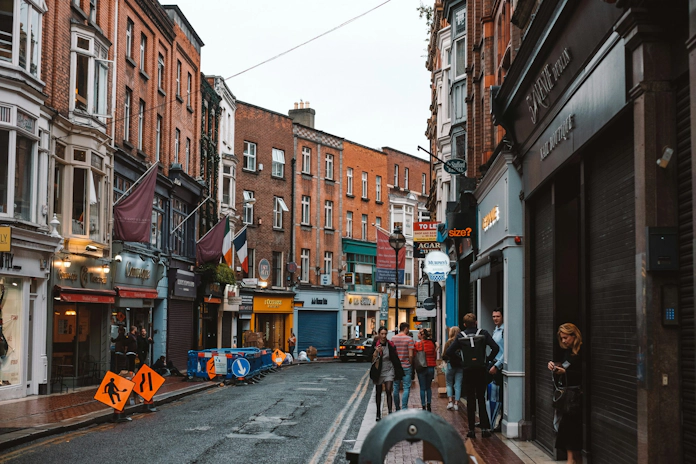
Buying weed in Dublin is illegal. Cannabis is a controlled substance under Ireland’s Misuse of Drugs Act 1977, and there are no licensed recreational dispensaries anywhere in Ireland. Dublin has an active underground cannabis scene that operates primarily through social trust networks and digital channels, with cannabis resin historically the more prevalent product. Legal hemp and CBD products are available at dedicated Dublin shops, subject to regulatory conditions.
This guide covers the legal reality of cannabis in Dublin: what Irish law actually says, how the Adult Cautioning Scheme works, what the real penalties are, where Ireland’s reform movement stands in 2026, and what legal CBD options exist for visitors. Whether you are visiting from Germany or California, tracking Ireland’s political reform timeline, or simply want to understand Dublin’s cannabis culture, here is what you need to know before making any decisions.
How we researched this guide: Our analysis reviewed Ireland’s Misuse of Drugs Act 1977 and subsequent amendments, the Health Products Regulatory Authority (HPRA) Medical Cannabis Access Programme documentation, Citizens Information drug offence guides, and An Garda Síochána enforcement guidance.
Key Takeaways
vitaly mazur
- Cannabis is fully illegal in Dublin and throughout Ireland for recreational use under the Misuse of Drugs Act 1977.
- Ireland’s Adult Cautioning Scheme, introduced in December 2020, means simple possession of cannabis or cannabis resin may result in a formal caution rather than prosecution for a first or second offence, though this is entirely at Garda discretion and not a guarantee.
- A third or subsequent personal possession offence carries a fine of up to €1,270 or 12 months’ imprisonment on summary conviction, or up to three years’ imprisonment on indictment.
- Medical cannabis access in Ireland is restricted to specific conditions through the Medical Cannabis Access Programme (MCAP), including spasticity associated with multiple sclerosis, intractable chemotherapy-related nausea and vomiting, and severe treatment-resistant epilepsy where standard treatments have failed.
- HHC was classified as a Schedule 1 controlled drug in Ireland in July 2025. The legal status of other novel cannabinoids remains uncertain and evolving.
- CBD itself is not a controlled drug under Irish law, but CBD foods and supplements are regulated under EU novel food rules; products should be purchased only from reputable retailers with clear labeling.
- The Oireachtas Joint Committee on Drug Use formally recommended decriminalization following the Citizens’ Assembly on Drugs Use, and a People Before Profit cannabis regulation bill has been part of recent Dáil debate. Current bill status should be verified against the Oireachtas bill tracker.
- For visitors, the safest cannabis experience in Dublin is through legal hemp retailers, several of which operate across the city.
Why Cannabis Enthusiasts Ask About Dublin
diogo palhais
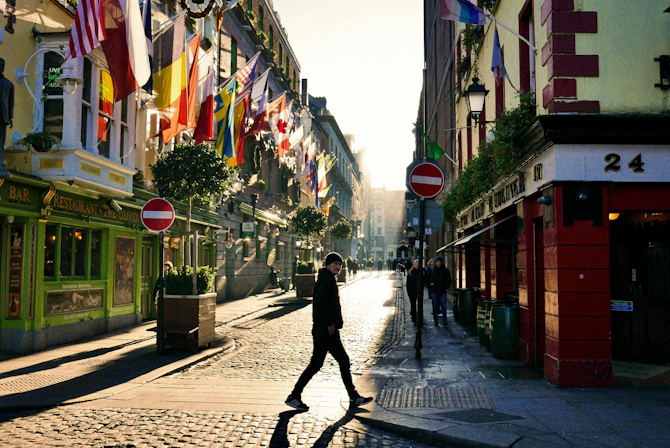
Understanding cannabis rules in Dublin is one of the most common questions for cannabis travelers visiting Ireland. Dublin sits in an unusual position for international travelers in 2026. Neighboring countries have been moving fast: Germany launched a regulated adult-use framework in 2024, Malta and Luxembourg decriminalized personal possession earlier, and the Netherlands has tolerated cannabis cafes for decades. Against that backdrop, Ireland’s 1977 drug laws feel increasingly out of step, and visitors from those countries often arrive expecting a comparable experience.
They do not find one. Dublin’s scene is real but essentially invisible to outsiders. Unlike Amsterdam’s cannabis coffee shops or Barcelona’s cannabis clubs, Dublin’s market operates through tight social networks and digital channels that tourists typically cannot access. Understanding the gap between what visitors expect and how the scene actually functions is the most important thing to know before arriving.
The silver lining: Ireland’s legal CBD market is growing, Herb’s cannabis guides cover Dublin’s culture in depth, and the country’s reform movement is closer to a breakthrough than at any prior point.
The Legal Status of Cannabis in Dublin
Herb
Cannabis is fully illegal for recreational use in Ireland. Possession, supply, cultivation, and importation of cannabis are all criminal offences under the Misuse of Drugs Act 1977, as amended by the Misuse of Drugs Act 1984 and subsequent regulations. As of publication, no legislative change has altered this status for recreational users.
Ireland classifies cannabis as a Schedule 1 controlled substance. Medical cannabis is accessible through the Medical Cannabis Access Programme (MCAP), which allows consultants to prescribe specified cannabis-based products for patients with spasticity associated with multiple sclerosis, intractable nausea and vomiting from chemotherapy, and severe treatment-resistant epilepsy where standard treatments have failed. Separate ministerial licence arrangements may apply for named patients in other circumstances.
The country has not followed neighboring states like Germany, which began a phased adult-use approach in 2024, or Malta and Luxembourg, which decriminalized personal possession. The political temperature in Ireland is shifting, and the gap between public attitude and law is narrowing.
How Dublin's Underground Cannabis Market Works
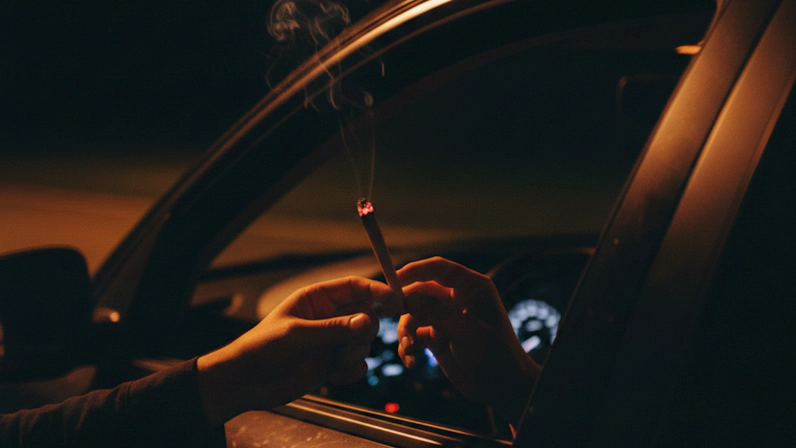
dispensaries, no cannabis clubs, and no tourist-accessible legal channels. Herb does not recommend attempting to purchase cannabis illegally. Possession and supply remain criminal offences under Irish law, and visitors should understand the real legal exposure before making any decisions.
For context, European drug monitoring research and Irish media reporting indicate that Dublin’s illicit cannabis market operates primarily through social trust networks and, increasingly, digital platforms. Unlike some European cities where street dealing is overt, Dublin’s market functions mainly through personal relationships. Approaching strangers on the street for cannabis is uncommon and carries significant quality, safety, and legal risk.
Social Trust Networks
European and Irish harm reduction research indicates that cannabis commonly changes hands in Dublin through existing social connections: at social events, universities, creative workplaces, and shared housing. This model makes Dublin’s scene effectively inaccessible to visitors without established local ties.
Digital Channels
European drug market research has highlighted Ireland as a notable case for cannabis purchasing via social media and digital messaging platforms, with delivery-based models documented in Irish media. This approach involves real legal risk: supplying cannabis in Ireland, regardless of method, carries penalties up to life imprisonment in the most serious cases. Digital channel and postal monitoring by An Garda Síochána represent real enforcement vectors for everyone involved.
Street-Level Approaches
Street-level transactions in entertainment districts carry the highest risk profile of any access method, including elevated risk of receiving poor-quality or adulterated product, scam risk, and direct legal exposure. Herb does not recommend street-level approaches under any circumstances.
Cannabis Social Clubs and Underground Events
Dublin has seen occasional attempts to model cannabis social clubs along the lines of Spain’s private associations. These events are rare, unpredictable, and carry significant legal risk for all attendees.
Cannabis Prices and Quality in Dublin
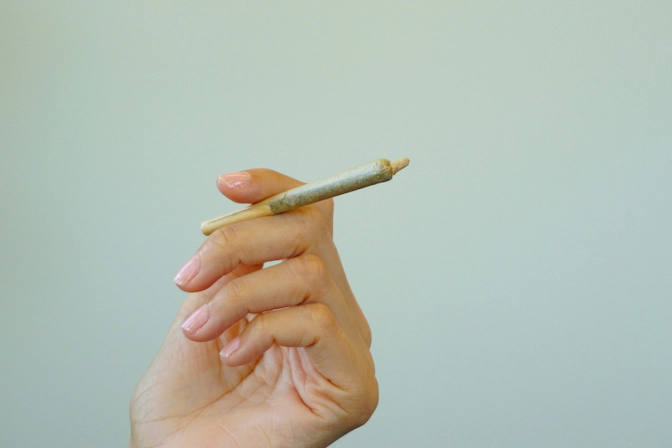
elsa olofsson
Because Dublin’s cannabis market is illegal and unregulated, prices and quality are inconsistent and cannot be verified reliably. Any price claims from online forums or anecdotal sources should be treated with significant caution. There are no consumer protections, no quality standards, and no labeling requirements in an illegal market.
European harm reduction organizations document a persistent adulteration risk in unregulated compressed cannabis resin markets. This is a characteristic of unregulated cannabis markets broadly, not unique to Dublin. If you encounter compressed hash that crumbles unusually, feels gritty, or does not burn cleanly, this may indicate contamination.
Cannabis flower available in Dublin is commonly reported to be hydroponically grown. Users familiar with legal markets in North America or Germany often note that product variety, curing quality, and consistency differ substantially from regulated environments. There is no laboratory testing, no strain labeling, and no dosing information in an illegal market.
Edibles and extracts circulate in social networks with entirely unknown potency. Dosing unverified edibles is one of the highest-risk consumption patterns in any unregulated market.
Dublin Neighborhoods and the Cannabis Scene
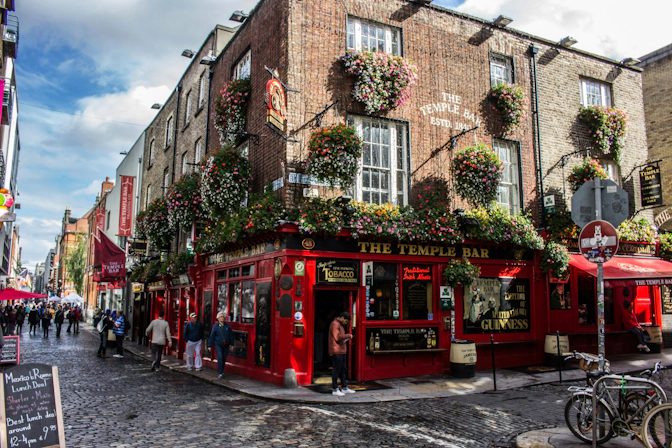
matheus camara da silva
Cannabis culture in Dublin is not concentrated in a single neighborhood, the way it might be in cities with legal or tolerated cannabis districts. Unlike regulated cannabis destinations, Dublin has no tourist-facing cannabis areas or legal retail channels outside of CBD shops. Visitors should be aware that street-level approaches in any Dublin neighborhood carry legal, safety, quality, and scam risks that legal-market visitors may not anticipate.
For context:
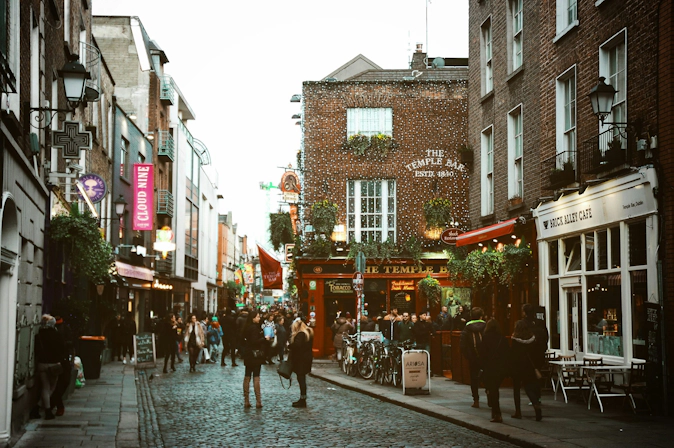
- Entertainment districts like Temple Bar see higher foot traffic and, like many European city centers, some informal drug market activity. Street-level approaches here carry the highest quality and legal risk of any access method.
- Student and residential areas near universities tend to have more community-based social networks, but access through these networks is based entirely on pre-existing personal connection and is not a realistic option for most visitors.
- Inner city neighborhoods have historically been documented in Irish journalism and harm reduction research in the context of Dublin’s drug market history.
No Dublin neighborhood offers a safe, legal, or reliable cannabis purchasing environment. The best option for any visitor is the city’s legal CBD retail sector.
Legal Penalties: What Happens If You're Caught
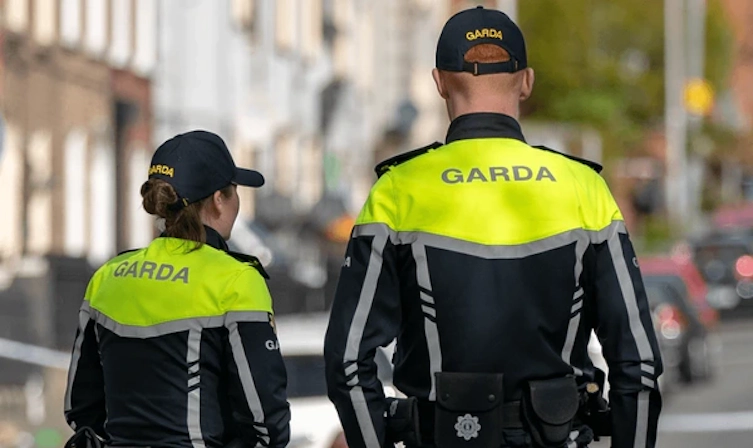
dublin police
This section deserves careful attention. Irish cannabis law is enforced, and the consequences of a possession arrest can follow a visitor, particularly where visa status or future travel may be affected.
Personal Possession
Under the Misuse of Drugs Acts, possession of cannabis for personal use is an offence. Since December 2020, Ireland has operated an Adult Cautioning Scheme for simple possession of cannabis or cannabis resin:
- A first or second offence for simple personal possession may be dealt with by a formal caution rather than prosecution. This is at the discretion of the Garda involved, not a guarantee.
- A third or subsequent offence carries a fine of up to €1,270 or 12 months’ imprisonment on summary conviction, or up to three years’ imprisonment on conviction on indictment.
Dublin Cannabis Penalties at a Glance
| Offence | Likely Outcome | Maximum Penalty |
|---|---|---|
| 1st possession (small amount) | Formal caution (discretionary) | Caution or warning |
| 2nd possession (small amount) | Formal caution (discretionary) | Caution or warning |
| 3rd+ possession | Prosecution likely | €1,270 fine or 12 months imprisonment |
| Possession on indictment | Prosecution | Up to 3 years imprisonment |
| Supply (under €13,000 value) | Prosecution | Significant custodial sentence |
| Trafficking (over €13,000 value) | Prosecution | 10-year mandatory minimum |
| Serious trafficking | Prosecution | Life imprisonment |
Note: The Adult Cautioning Scheme is discretionary. Gardaí can charge at any point regardless of the offence number.
Supply and Intent to Supply
Supply offences carry substantially heavier penalties. Where the market value of drugs involved exceeds €13,000, a mandatory minimum of 10 years’ imprisonment applies. The delivery-based market model does not insulate a buyer from supply-related charges if circumstances suggest involvement beyond personal use.
For Travelers
Drug-related charges or convictions in Ireland may have immigration and travel consequences depending on the country and individual circumstances. Travelers affected by a drug-related matter in Ireland should seek qualified legal advice specific to their situation.
An Garda Síochána’s Controlled Substances page and drug offences guide are the authoritative sources for current Irish drug law.
Ireland's Cannabis Reform Movement in 2026

elsa olofsson
The most important context for understanding Dublin’s cannabis scene in 2026 is how rapidly the political conversation has shifted toward reform.
The Citizens' Assembly on Drug Use
Ireland’s Citizens’ Assembly model, a deliberative democratic process that previously produced landmark recommendations on abortion and same-sex marriage, was applied to drug policy in 2023. The Citizens’ Assembly on Drugs Use heard extensive expert testimony and published strong recommendations for the decriminalization of personal drug use. Their report was submitted to the Oireachtas in January 2024.
The Oireachtas Joint Committee on Drug Use
Following the Citizens’ Assembly, the Oireachtas Joint Committee on Drug Use published an interim report with 59 recommendations, strongly endorsing decriminalization. This represents a formal parliamentary body recommending a fundamental shift in how Ireland treats personal drug possession, favoring a health-based approach over criminal penalties.
People Before Profit Bill
In January 2024, TD Gino Kenny of People Before Profit introduced a bill that would decriminalize possession of up to 7 grams of cannabis for personal use. Health Minister Stephen Donnelly secured a nine-month time-limited amendment to delay the bill’s progression, but the measure remained active in Dáil debate. The current legislative status of the bill should be verified against the Oireachtas bill tracker before relying on any specific claim about its progression.
The European Context
Ireland is watching its neighbors closely. Germany implemented a regulated adult-use cannabis framework beginning in 2024. Malta decriminalized personal possession in 2021. Luxembourg followed in 2023. The political pressure from neighboring reform movements, combined with Ireland’s own Citizens’ Assembly results, has made the status quo increasingly difficult to defend in Oireachtas debate.
| Country | Cannabis Status (2026) | Year Changed |
|---|---|---|
| Germany | Adult-use framework | 2024 |
| Netherlands | Coffee shops tolerated | Decades |
| Malta | Decriminalized possession | 2021 |
| Luxembourg | Decriminalized | 2023 |
| Spain | Private clubs tolerated | Ongoing |
| Portugal | Decriminalized all drugs | 2001 |
| Ireland | Fully illegal (reform pending) | N/A |
| UK | Illegal (Class B) | N/A |
Reform pressure has increased substantially following the Citizens’ Assembly and Oireachtas committee work. The timing and scope of any legislative change remain uncertain, but Ireland’s cannabis reform story is one of the most actively developing in Europe right now.
Legal Alternatives: CBD and Hemp in Dublin

Batch by Wisconsin / Pexels
For visitors who want to engage with cannabis culture in Dublin without legal risk, the legal hemp and CBD market offers genuine options, with important regulatory context to understand.
CBD Products in Ireland
CBD (cannabidiol) is not a controlled drug under Irish law. However, CBD used in food or supplements is regulated under EU novel food rules as an unauthorised novel food unless specifically authorised. Irish food authorities note that THC in food products is controlled except in limited hemp-seed contexts, meaning products with unclear THC content may carry regulatory risk. Visitors should purchase CBD only from reputable retailers and avoid products making medical claims or carrying unclear THC labeling.
Best CBD Shops in Dublin 2026
| Shop | Location | Specialty | Walk-In? |
|---|---|---|---|
| The Hemp Company | Capel Street, Dublin 1 | Broad hemp range, oils, and flowers | Yes |
| Little Collins CBD Dispensary | Multiple Dublin locations | Full-spectrum CBD, capsules, topicals | Yes |
| Various health stores | Citywide | Oils, capsules | Yes |
| Online retailers (Irish-based) | Delivery to Dublin | Full product range | No (delivery) |
Little Collins CBD Dispensary operates multiple Dublin locations and is open seven days a week. The Hemp Company on Capel Street carries a broad range of hemp products. Under Irish food law, CBD products cannot make health claims. Products are marketed for wellness and daily use, but sellers cannot legally claim their products treat anxiety, pain, or any specific condition.
Novel Cannabinoids: A Shifting Legal Landscape
The legal landscape for novel cannabinoids in Ireland is shifting rapidly. HHC was classified as a Schedule 1 controlled drug by a Declaration Order in July 2025. The status of other compounds (HHCP, THCP, THCA) is uncertain. Do not assume any novel cannabinoid product is legal in Ireland without checking current regulations.
What You'll Find at Dublin CBD Shops
A well-stocked Dublin CBD retailer typically carries:
- Full-spectrum and broad-spectrum CBD oils in various concentrations
- CBD capsules and soft gels
- CBD-infused beverages and edibles
- Hemp flower (marketed for aromatherapy or collection)
- Vape cartridges and disposable CBD vapes
- Topicals, including balms and skincare
For strain profiles and terpenes, community reviews, and guidance on what to look for in any cannabis product, Herb’s strain database is a free resource covering cannabis strains with terpene profiles and expected effects.
Harm Reduction: Staying Safe in Dublin

dublin police
Whether you choose to engage with Dublin’s cannabis scene or stick to legal alternatives, these principles apply across any unregulated cannabis market.
Start Low, Go Slow
Dublin’s underground market offers no labeling, no testing, and no dosing information. Potency is entirely unknown. Whether dealing with hash of uncertain quality or edibles of unknown strength, start with a very small amount and wait before consuming more.
Avoid Street Approaches
Visitors who approach strangers in entertainment districts for cannabis are in the most vulnerable position in the market. Overpricing, receiving adulterated or fake product, and direct legal exposure are all elevated risks in spontaneous street transactions.
Know the Adulteration Risk
Unregulated hash markets, not just in Dublin but across Europe, have documented problems with adulteration. If you encounter compressed hash that crumbles unusually, feels gritty, or does not burn cleanly, this may indicate contamination. Ireland’s harm reduction organizations publish resources on recognizing and responding to adulterated products.
Understand Your Legal Position
Know the penalties before being in a position to face them. A first-offence caution under the Adult Cautioning Scheme is a realistic outcome for simple personal possession, but it is not guaranteed. Carrying amounts that could suggest supply intent increases legal risk substantially. Visitors from countries where cannabis is legal sometimes underestimate how different the legal environment is in Ireland.
Final Verdict
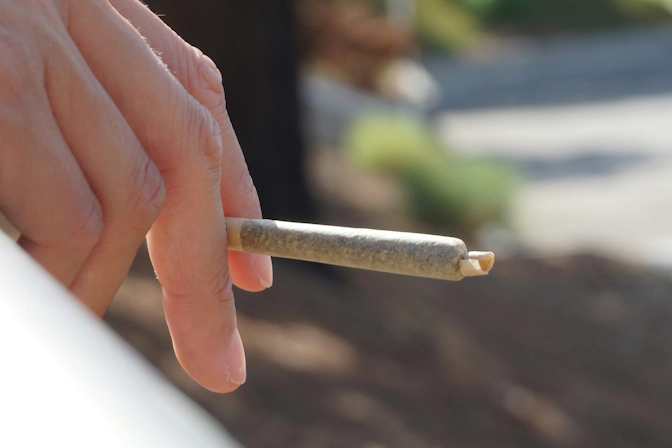
elsa olofsson
For most visitors, researching cannabis in Dublin comes down to a straightforward risk assessment. There is no single answer for every cannabis enthusiast, as it depends on risk tolerance and what you are looking for.
If you are a visitor who wants a cannabis experience within the law: Dublin’s CBD scene is genuinely worth exploring. Legal hemp shops carry a broad range of cannabinoid products, and the terpene-rich hemp flower and extracts available at quality Dublin shops offer a real sensory experience. This is the lowest-risk, most accessible option for any traveler.
If you are a local tracking the reform timeline: The Oireachtas committee’s decriminalization recommendation and the ongoing People Before Profit bill represent the most serious legislative momentum in Irish cannabis history. The landscape is in active transition, and developments are worth following closely through Herb’s cannabis news.
If you are a tourist from a legal-market country: Dublin is not Amsterdam or Berlin. The underground scene exists but is inaccessible through conventional tourist channels. Legal exposure is real, the Adult Cautioning Scheme is discretionary, and not a guarantee, and the quality of informally sourced product is inconsistent. For many visitors, Dublin’s legal CBD scene, combined with following Irish cannabis culture through Herb, offers a more rewarding experience without the risk.
For cannabis enthusiasts planning international travel, Herb’s destination guides cover cannabis laws across dozens of destinations, from prohibition zones like Ireland to legal markets in Canada, Germany, and Thailand.
alexandra mitache
Frequently Asked Questions
Is weed legal in Dublin?
No. Cannabis is illegal for recreational use in Dublin and throughout Ireland under the Misuse of Drugs Act 1977. Possession, supply, cultivation, and importation are all criminal offences. Medical cannabis is accessible through the Medical Cannabis Access Programme for specific conditions: MS-related spasticity, intractable chemotherapy nausea and vomiting, and severe treatment-resistant epilepsy.
What actually happens if a Garda catches me with cannabis in Dublin?
For a first or second simple possession offence, Ireland’s Adult Cautioning Scheme (introduced December 2020) means you may receive a formal caution rather than a charge, but this is entirely at the Garda’s discretion and not a guarantee. If charged, a third offence carries up to €1,270 or 12 months’ imprisonment on summary conviction, or up to three years on indictment. Drug-related charges or convictions may have immigration and travel consequences depending on your country and circumstances; those affected should seek qualified legal advice.
Is Ireland going to legalize cannabis?
Ireland has not legalized cannabis, but reform pressure is stronger than at any prior point. The Oireachtas Joint Committee on Drugs Use formally recommended decriminalization following the Citizens’ Assembly on Drugs Use. A People Before Profit bill targeting decriminalization of up to 7 grams has been part of recent Dáil debate. The timing and scope of any legislative change remain uncertain.
Are CBD products legal in Dublin?
CBD itself is not a controlled drug under Irish law. However, CBD foods and supplements are regulated under EU novel food rules, and Irish food authorities note that THC in food products is controlled except in limited hemp-seed contexts. Visitors should purchase CBD only from reputable retailers and avoid products with unclear THC labeling or those making health claims. Multiple dedicated CBD retailers operate across Dublin, including The Hemp Company and Little Collins CBD Dispensary.
What type of cannabis is most common in Dublin?
Cannabis resin has historically been the more prevalent product in Dublin’s illicit market, reflecting Ireland’s historical import channels from North Africa via Europe. Cannabis flower is available but less consistently, and the quality varies. Edibles and oils circulate in social networks. Current product availability in any unregulated market is difficult to verify precisely.
Herb Recommended Products:
READ MORE