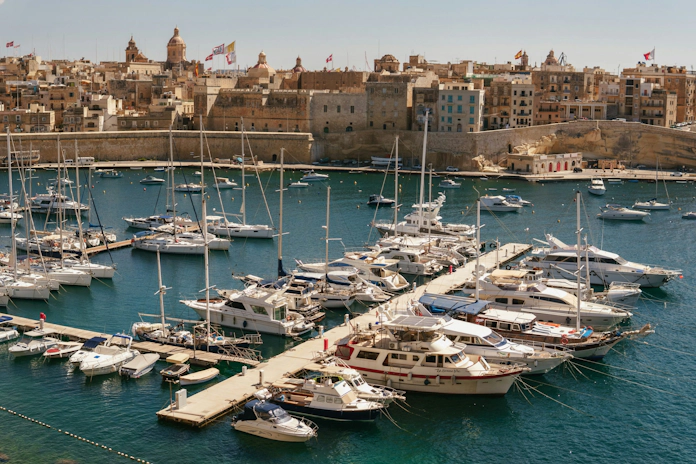
igor sporynin
How to Buy Weed in Malta: Cannabis Social Clubs & the Mediterranean’s Legal Experiment |
02.26.2026How to Buy Weed in Malta: Cannabis Social Clubs & the Mediterranean’s Legal Experiment
Exploring Malta's unique Cannabis Harm Reduction Associations, medical access, and home cultivation rules under Europe's first adult-use legalization framework

Every missed opportunity to understand Malta’s pioneering cannabis model means navigating legal uncertainty, potential fines, or resorting to the unregulated market. As the first EU country to legalize adult-use cannabis in December 2021, Malta created a unique harm reduction framework centered on non-profit Cannabis Harm Reduction Associations (CHRAs) rather than commercial dispensaries. This guide covers how to legally access cannabis through licensed associations, medical prescriptions, or personal cultivation while avoiding common pitfalls that could result in penalties of up to €500.
Key Takeaways

ferenc-horvath
- Malta became the first EU country to legalize adult-use cannabis in December 2021
- 22 CHRAs hold permits, each capped at 500 members, for a theoretical maximum of 11,000 members total
- Residency requirement: Only Malta residents with valid ID cards can join CHRAs; tourists cannot access legal cannabis
- Possession limits: 7g in public, 50g at home, maximum 4 plants for personal cultivation
- Quality assurance: In testing announced 6 February 2026, a University of Malta analysis of 24 samples (12 licit, 12 illicit) found pesticide residues in 5 illicit samples and none in the regulated samples
Malta's Cannabis Journey: From Decriminalization to Legalization
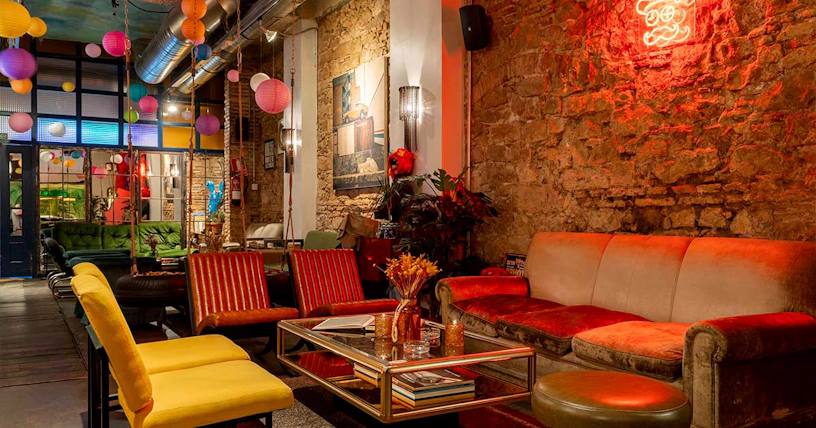
malte cannabis club
Malta’s approach to cannabis represents a significant departure from both prohibition and commercial legalization models. Rather than creating a for-profit industry, the Maltese government established a harm reduction framework centered on non-profit associations that prioritize public health over profit. This model emerged after years of incremental reform, culminating in the December 2021 legalization that made Malta the first European Union member state to legalize adult-use cannabis.
The regulatory framework created the Authority for Responsible Use of Cannabis (ARUC) as the dedicated oversight body, responsible for licensing CHRAs, enforcing regulations, and managing public education campaigns. Unlike commercial dispensary models in North America, Malta’s CHRAs operate under strict privacy regulations: they cannot advertise publicly or use the word “cannabis” in their names. That said, ARUC does publish a public registry listing CHRAs with operating permits, including localities and contact details.
This approach reflects Malta’s commitment to balancing individual freedoms with public health objectives, creating a controlled access system that prioritizes safety, quality, and harm reduction over commercial interests.
Why Malta's Cannabis Model Remains Challenging for Most Visitors

Sunset Social Club
The root cause isn’t lack of legalization; it’s the residency requirement that excludes tourists entirely. Despite being Europe’s first country to legalize adult-use cannabis, Malta’s framework specifically excludes non-residents from legal access. This creates a unique situation where:
- Tourists face the same legal risks as in prohibition states despite being in a “legal” country
- CBD confusion: CBD legality has been subject to enforcement confusion, but Maltese reporting around the 2021 reforms and later clarification efforts commonly reference a ≤0.2% THC threshold
- Information scarcity: While ARUC publishes a CHRA registry with localities, detailed operational information is generally shared with members
- Capacity constraints: KDD Society, the first operational CHRA, reached 250 members quickly, though the statutory cap per association is 500 members
- Cultural disconnect: Many visitors assume legalization means tourist access, leading to legal complications
The framework’s focus on residents reflects Malta’s harm reduction priorities, but it creates significant challenges for the island’s tourism industry, which welcomed nearly 3 million visitors in 2023.
Cannabis Harm Reduction Associations (CHRAs): Malta's Unique Access Model

orimi protograph
How CHRAs Work: Non-Profit Distribution, Not Commercial Sales
Malta’s CHRAs operate as non-profit organizations with strict operational guidelines designed to prevent commercialization while ensuring safe access. Each association can serve a maximum of 500 members and must maintain a minimum distance of 250 meters from schools, sports facilities, and youth centers.
Key CHRA Standards:
- Membership limit: 500 members maximum per association
- Product limits: 7g per day, 50g per month maximum
- Product types: Dried flower, cannabis resin (following a May 2025 amendment), and seeds for home cultivation
- Distribution only: No consumption allowed on premises; products must be consumed at private residences
As of February 2026, 22 CHRAs held permits (meaning they are eligible to enrol members), with new clubs periodically opening to meet demand.
A note on pricing: Membership fees and product prices vary by association. Some clubs have reported fees of around €35 per quarter and flower pricing of roughly €10-12 per gram, but these figures are examples rather than standardized rates across all CHRAs.
Medical Cannabis Access: The Pharmaceutical Pathway

ian deneumostier
For those with qualifying medical conditions, Malta offers a separate pathway through the Malta Medicines Authority (MMA) regulated medical cannabis program. This system operates independently from the CHRA model and follows strict European pharmaceutical standards.
Qualifying Conditions:
- Chronic pain
- Multiple sclerosis spasticity
- Chemotherapy side effects
- Epilepsy
- Other conditions as determined by qualified physicians
Access Process:
- Consult a licensed specialist who can assess your condition and determine if cannabis therapy is appropriate
- Obtain prescription approval from the Superintendent of Public Health
- Fill prescription at designated pharmacies authorized to dispense medical cannabis products
Product Standards: Medical cannabis products must comply with EU-GMP standards and European Pharmacopoeia requirements, ensuring consistent quality and safety. Products are limited to non-smoking preparations including oils, capsules, and tinctures.
Regarding visitor access: the medical pathway requires establishing care with a Maltese-licensed physician and navigating a local approval process, which is generally impractical for short-term visitors. Visitors should not assume a foreign prescription will be dispensed in Malta, especially for controlled substances; it is advisable to check Maltese requirements in advance.
Home Cultivation: Personal Growing Within Legal Limits

GreenForce Staffing / Unsplash
Malta’s legalization framework includes provisions for personal cultivation, allowing residents to grow up to 4 cannabis plants per household. However, this comes with specific requirements designed to minimize public visibility and neighbor complaints.
Legal Requirements:
- Maximum 4 plants per household
- Not visible from public spaces (streets, neighboring properties, etc.)
- Storage limit: Up to 50g of dried cannabis at home
- Seed sourcing: Seeds should ideally come from licensed sources such as CHRAs or licensed retailers
Odour Compliance: A unique aspect of Malta’s framework is the €235 fine for odour causing “nuisance to third parties.” While ARUC has received 140+ odour complaints as of February 2026, zero fines have been issued, with most cases resolved through education and remediation.
Penalties for Violations:
- Public consumption: €235 fine
- Consumption near minors: €300-500 fine
- Possession of 7-28g in public: €50-100 fine
Quality & Safety: Why Regulation Matters

Herb
Malta’s regulated cannabis supply demonstrates significant safety advantages over the unregulated market. In testing announced 6 February 2026, a University of Malta study commissioned by ARUC tested 24 samples (12 from regulated CHRAs and 12 from the illicit market), revealing striking differences in safety:
- Regulated cannabis: 0 of 12 samples contained pesticide residues
- Illicit cannabis: 5 of 12 samples contained pesticide residues
This research validates Malta’s harm reduction approach, showing that regulated access significantly reduces consumer exposure to harmful contaminants. All CHRA products undergo mandatory testing for pesticides, microbiological contaminants, and cannabinoid content before distribution to members.
The Reality for Tourists: No Legal Access Currently Available
smokey
Despite Malta’s legalization status, tourists cannot access cannabis through any of the established pathways. The CHRA model requires Malta residency and a valid ID card or residence card, medical cannabis requires establishing care with a Maltese physician, and home cultivation is limited to residents.
This creates a challenging situation for visitors who may assume that legalization means tourist access. Tourists remain subject to the same penalties as locals:
- Public consumption: €235 fine
- Possession of 7-28g: €50-100 fine
- Consumption near minors: €300-500 fine
The only legal cannabis-related products available to tourists are CBD products, which are available in health stores and pharmacies across the island. Note that the exact THC threshold for CBD products has been the subject of enforcement confusion, though Maltese reporting commonly references a ≤0.2% limit.
Cost Breakdown: Understanding Malta's Cannabis Economics
Dadgrass / Pixabay
CHRA Membership Costs
- Membership fee: Varies by association (example: around €35 per quarter at some clubs)
- Cannabis flower: Approximately €10-12/gram at some associations (prices vary)
- Seeds: Often included in membership (up to 20 per month)
- Total monthly cost: Roughly €50-60 for regular consumers, depending on the association
Home Cultivation Costs
- Seeds: Often included with CHRA membership
- Growing equipment: €100-1,000+ (depending on setup complexity)
- Utilities: €20-150 per grow cycle
- Potential fines: €235+ for violations (e.g., odour nuisance or public visibility infractions)
Medical Cannabis Costs
- Consultation fees: Standard medical pricing
- Product costs: Varies by dosage and product type
- No specific pricing publicly available for medical cannabis products
Why Herb Stands Apart in Cannabis Discovery

Herb
While Malta’s unique cannabis framework presents specific challenges for both residents and visitors, Herb delivers essential resources that help cannabis consumers navigate complex legal landscapes and make informed decisions about their cannabis journey.
Herb’s comprehensive platform goes beyond basic information to provide the educational foundation needed to understand cannabis in any legal context:
- Strain Guides: Whether you’re accessing cannabis through Malta’s CHRAs or exploring legal markets elsewhere, understanding strain differences helps you select products that match your preferences and needs
- Editorial & How-Tos: Stay informed about international cannabis legalization trends, including Malta’s pioneering harm reduction model and how it compares to other global approaches
- Product Catalog: Even if you can’t access products directly in Malta, understanding the broader cannabis product landscape helps you evaluate quality and make informed choices when legal access becomes available
- Dispensary Directory: For travelers planning cannabis-friendly destinations, Herb’s dispensary directory helps identify locations where legal access is available to tourists
- Insider Newsletters: Receive bi-weekly and monthly updates on legalization developments, ensuring you stay current on Malta’s evolving cannabis landscape and other international markets
Unlike generic cannabis information sources, Herb combines deep educational content with practical discovery tools, helping you understand not just the legal framework in Malta, but how to evaluate cannabis quality, understand effects, and navigate complex regulatory environments anywhere in the world.
For cannabis consumers seeking to understand Malta’s unique experiment while staying connected to the broader global cannabis movement, Herb’s comprehensive approach provides the knowledge and resources needed to make informed decisions about your cannabis journey.
Frequently Asked Questions
Is recreational cannabis legal for tourists in Malta?
No, recreational cannabis access in Malta is strictly limited to residents with valid Malta ID cards or residence cards. Tourists cannot join Cannabis Harm Reduction Associations (CHRAs) and remain subject to the same penalties as locals for public consumption (€235 fine) or possession violations. The only cannabis-related products legally available to tourists are CBD products, though the exact THC threshold has been the subject of ongoing regulatory clarification, with Maltese sources commonly referencing ≤0.2% THC.
What are the possession limits for cannabis in Malta?
Malta’s possession limits are clearly defined: 7 grams in public spaces and 50 grams maximum at your private residence. Additionally, residents can cultivate up to 4 cannabis plants per household, provided they are not visible from public spaces. Exceeding the 7g public limit can result in fines of €50-100 for quantities between 7-28 grams.
Can I buy edibles legally in Maltese Cannabis Social Clubs?
No, CHRAs in Malta currently distribute only dried cannabis flower, cannabis resin (following a May 2025 amendment), and seeds for home cultivation. Cannabis edibles are not available through the CHRA model. However, medical cannabis patients can access cannabis oils, capsules, and tinctures through the Malta Medicines Authority regulated pharmaceutical pathway, but these are limited to non-smoking preparations and require a specialist prescription.
What is the earliest a Cannabis Social Club can open in Malta?
The first operational CHRA, KDD Society, began distributing cannabis on 30 January 2024, just over two years after Malta’s initial legalization in December 2021. This timeline reflects the complex regulatory framework and licensing process established by ARUC. As of February 2026, 22 CHRAs held permits, with new associations periodically receiving approval as they meet all regulatory requirements.
Can I grow cannabis at home in Malta, and what are the limits?
Yes, Malta residents can legally cultivate up to 4 cannabis plants per household for personal use. However, plants must not be visible from public spaces, and you can store up to 50 grams of dried cannabis at home. Seeds should ideally come from legal sources such as CHRAs or licensed retailers. Odour causing “nuisance to third parties” carries a €235 penalty, though no fines have been issued for odour complaints as of February 2026.
Herb Recommended Products:
READ MORE