
Photo Courtesy of Windy Ridge Herb Co
Veganic Weed 101: What It Is, How It’s Grown, and Why People Are Switching
Veganic weed skips the animal byproducts and synthetic chemicals entirely. Here’s what that means for the plant, the flavor, and your experience.

Veganic weed is one of those terms that sounds like a niche marketing buzzword until you actually look into what it means. And then, it kind of makes you question everything you’ve been smoking.
The concept is straightforward: cannabis grown without animal-derived inputs (like bone meal, blood meal, or fish-based fertilizers) and without synthetic chemicals. Instead, veganic cannabis relies on plant-based nutrients, composted organic matter, and living soil ecosystems to feed the plant naturally.
It’s not a new idea. Veganic farming has roots in organic agriculture going back decades, but it’s only recently started gaining traction in the cannabis space as consumers pay closer attention to how their flower is actually grown. And the more you learn about what goes into conventional cannabis cultivation, even “organic” cultivation, the more the veganic approach starts to make sense.
This article breaks down what veganic weed is, how it compares to organic and regular weed, what to look for when buying it, and where to find flower that’s actually grown this way.
Key Takeaways
- Veganic weed is cannabis grown without animal byproducts or synthetic chemicals, relying on plant-based nutrients and living soil biology
- The approach often results in fuller terpene expression and cleaner flavor profiles
- Veganic cannabis is different from organic cannabis—organic cultivation can still include animal-derived fertilizers like bone meal and fish emulsion, while veganic does not
- Not all products labeled “all natural” or “clean” are actually veganic—look for growers who are transparent about their cultivation methods
- Veganic weed is generally priced similarly to premium organic flower
What Is Veganic Weed?
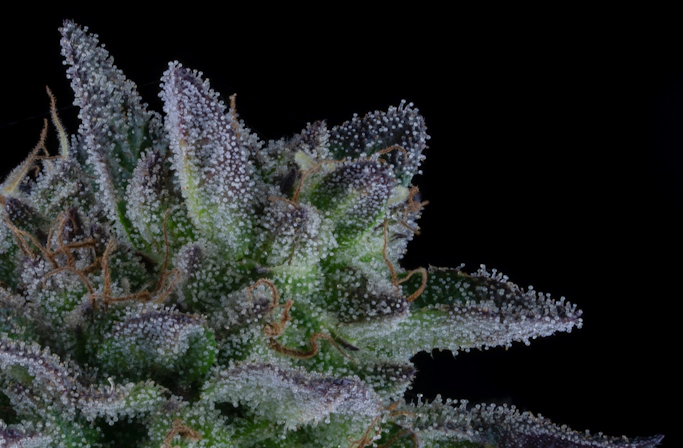
Photo Courtesy of Windy Ridge Herb Co
So, what is veganic weed in practical terms? It’s cannabis that’s been cultivated using only plant-derived nutrients and natural soil biology. That means no animal byproducts, no synthetic fertilizers, and no chemical pesticides. The “veganic” label combines vegan principles with organic farming practices, creating a growing method that prioritizes soil health and plant expression above all else.
Here’s what typically defines veganic cannabis cultivation:
- Nutrients come exclusively from plant-based sources like compost, cover crops, plant teas, and mineral amendments
- No bone meal, blood meal, fish emulsion, bat guano, or other animal-derived inputs
- No synthetic fertilizers, pesticides, or growth regulators
- Heavy emphasis on “living soil,” a biologically active growing medium full of beneficial microorganisms that break down nutrients and make them available to the plant naturally
- The goal is to let the plant develop its own terpene profile and cannabinoid expression without forcing it with heavy inputs
Why do some consumers prefer veganic weed over regularly grown flower? A few reasons. First, there’s the purity factor. When the soil is clean and the inputs are plant-based, there’s less chance of residual chemicals or unwanted compounds ending up in the final product. Second, many growers report that veganic cannabis develops more complex terpene profiles because the plant isn’t being force-fed. It’s pulling what it needs from a healthy, balanced soil ecosystem. That often translates to better flavor, more distinct aromas, and a smoother smoke.
And then there’s the ethical angle. For consumers who already follow a vegan or plant-based lifestyle, knowing their flower was grown without animal byproducts matters. But you don’t have to be vegan to appreciate veganic weed—the quality speaks for itself regardless.
Veganic vs. Organic vs. Regular Weed

Photo Courtesy of Windy Ridge Herb Co
Understanding what is veganic cannabis gets a lot easier when you compare it side-by-side with organic and regular growing methods. All three produce smokable flower, but the journey from seed to harvest looks very different.
Nutrient sources: Regular weed often relies on synthetic fertilizers, which are concentrated chemical blends designed to push fast growth. Organic cannabis steps up to natural inputs, but those can include animal-derived materials like bone meal, blood meal, fish emulsion, and bat guano. Veganic weed goes further by excluding all animal byproducts, getting nutrients exclusively from plants, minerals, and compost.
Growing philosophy: Regular cultivation is typically yield-driven. Get the most flower out of each plant as fast as possible. Organic growers prioritize natural inputs but may still push growth aggressively. Veganic cannabis cultivation is rooted in soil health first. The philosophy is that if the soil is balanced and alive, the plant will produce quality flower on its own timeline.
Chemical and synthetic inputs: Regular weed may use synthetic pesticides, herbicides, and growth regulators. Organic cultivation avoids synthetics but doesn’t always avoid heavy inputs. Veganic weed eliminates both synthetic and animal-based inputs entirely.
Environmental impact: Veganic growing tends to have the lightest footprint because it builds soil rather than depleting it. Living soil systems can be reused and improved over time, reducing waste and supporting long-term land health.
Flavor and terpene expression: This is where veganic cannabis often shines. Without synthetic fertilizers overriding the plant’s natural development, veganic flower tends to produce more nuanced terpene profiles—fuller aromas, more complex flavors, and a smoother overall smoke.
Price point: Veganic weed price tends to sit in the same range as premium organic flower. It’s not budget weed, but it doesn’t have to break the bank either. Brands that grow and process their own flower can keep costs more reasonable than those that outsource every step.
Availability: Veganic cannabis is still less common than organic or conventional flower, but it’s growing. More farms are adopting veganic practices as consumer demand increases, and online retailers make it easier to access from anywhere.
Not All Veganic Weed Is the Same — Here’s What to Look Out For
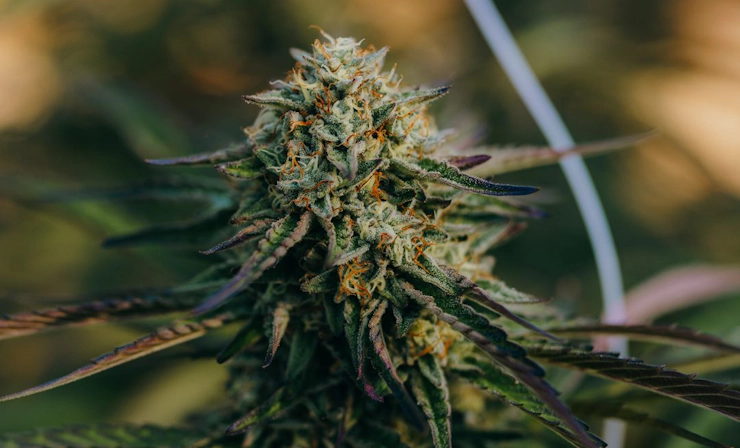
Photo Courtesy of Windy Ridge Herb Co
As veganic weed gains popularity, more brands are going to start using the term, and not all of them will mean the same thing by it. The label isn’t federally regulated in the cannabis space, which means it’s on you as a consumer to verify that what you’re buying actually lives up to the claim.
Here’s how to spot true veganic weed and avoid marketing buzzwords.
Grower transparency is everything. A legitimate veganic cannabis operation should be willing to tell you exactly what goes into their soil and their plants. Look for brands that list their nutrient sources and growing methods. If a company can’t tell you whether they use bone meal or synthetic fertilizers, that’s a red flag.
Watch the labeling. Vague phrases like “all natural,” “clean,” or “eco-friendly” don’t mean veganic. Those terms have no standardized definition in cannabis. Actual veganic weed producers will make direct, specific claims—veganic cultivation, plant-based nutrients, no animal inputs—because they have nothing to hide.
Third-party testing adds another layer of trust. Lab results that verify potency and compliance are standard, but the best veganic cannabis brands go further with testing that confirms the absence of pesticides, heavy metals, and residual solvents. COAs (Certificates of Analysis) should be on product pages, not buried or unavailable.
Vertical integration matters. When a single operation controls the entire process, from growing the flower to processing it into concentrates and finished products, there’s less room for contamination or inconsistency. You know the veganic weed you’re buying was handled with the same care at every stage.
Frequently Asked Questions
What is veganic weed and how is it different than regular weed?
Veganic weed is cannabis grown using plant-based nutrients and living soil, without any animal-derived inputs (like bone meal, blood meal, or fish emulsion) or synthetic chemicals. Regular weed often uses synthetic fertilizers and may include animal byproducts in its nutrient mix. Even organic weed can contain animal-derived materials. Veganic cannabis skips all of that, focusing entirely on soil health and natural plant development.
Does veganic weed feel different?
Many users report that veganic cannabis has a smoother smoke, more complex flavor, and more pronounced terpene expression compared to conventionally grown flower. The high itself depends on the strain and its cannabinoid profile, but the overall sensory experience like taste, smell, and smoothness, tends to stand out when the plant was grown in clean, balanced soil.
Can vegans only smoke veganic weed?
No. Do vegans smoke weed that isn’t veganic? Absolutely. Most cannabis consumers don’t even know what inputs went into their flower. Can vegans smoke weed of any kind and still call themselves vegan? That’s a personal call. But for consumers who want their entire lifestyle to align with plant-based principles, veganic weed provides that option. It’s a choice, not a requirement.
What is the price of veganic weed and is it more expensive?
Veganic weed price is generally comparable to premium organic flower, averaging around $25 to $30 per gram. It’s not the cheapest option on the shelf, but it doesn’t have to be expensive either.
The Bottom Line

Photo Courtesy of Windy Ridge Herb Co
Veganic weed is a return to growing cannabis the way the plant was meant to develop: in healthy, living soil, fed by plant-based nutrients, and free from synthetic chemicals and animal byproducts.
Whether you’re vegan, environmentally conscious, or just someone who cares about what goes into the flower you smoke, understanding how to grow veganic weed (and who’s actually doing it right) makes you a more informed consumer.
The Herb Community
Canvast
For more than a decade, Herb has been a gathering place for people who love, use, and are simply curious about cannabis. What started as a small corner of the internet has grown into a community where millions come to learn, share, and stay connected to cannabis culture.
Here’s what you can tap into at Herb:
- Learning hub and guides that break things down clearly, from growing weed outdoors to understanding how terpenes impact your high
- News hub that spotlights the latest cannabis culture and policy shifts
- Dispensary directory to help you find licensed shops in your local area
- Monthly strain picks, featuring rotating Indica, Sativa, and Hybrid favorites
- Deals page, updated monthly with the best cannabis discounts available online
Stay connected with the Herb community by subscribing to our newsletter, following us on Instagram, and X for the latest in cannabis lifestyle and culture.
Herb Recommended Products:
READ MORE