Is Weed Legal Now? What Trump’s Executive Order Actually Changes

Is Weed Legal Now? What Trump’s Executive Order Actually Changes

President Trump’s December 18, 2025 executive order reclassifying marijuana from Schedule I to Schedule III marks a historic shift in federal drug policy—but it does not make weed legal. Cannabis remains federally prohibited, even as tax relief, medical research access, and limited CBD coverage signal meaningful changes for patients, businesses, and consumers.

President Trump signed an executive order on December 18, 2025, directing federal agencies to reclassify marijuana from Schedule I to Schedule III—the most significant shift in federal drug policy in over half a century. But before you start celebrating, the reality is more nuanced than headlines suggest. Cannabis remains federally illegal, and anyone possessing marijuana is still technically subject to arrest under federal law. What actually changes involves taxes, research barriers, and a potential pathway for medical cannabis access that could benefit millions of Americans dealing with chronic pain.

Key Takeaways

  • Weed is NOT federally legal — Marijuana remains a controlled substance under federal law, and possession can still result in federal prosecution
  • Schedule III classification acknowledges medical value — Cannabis will be grouped with drugs like ketamine and Tylenol with codeine, recognizing it has “currently accepted medical use”
  • 280E tax burden disappears for businesses — State-licensed cannabis companies can finally deduct operating expenses like rent, payroll, and utilities, with some previously facing effective tax rates as high as 80%
  • Research barriers will ease — The FDA can now study cannabis for medical applications without the restrictions applied to Schedule I substances
  • Medicare CBD pilot launches April 2026 — Seniors can receive up to $500 annually for qualifying CBD products
  • State laws remain unchanged — The 24 states with adult-use legalization continue operating under their existing frameworks

What Schedule III Classification Actually Means

The Controlled Substances Act, passed in 1970, categorizes drugs into five schedules based on medical utility and abuse potential. For 55 years, cannabis sat alongside heroin, LSD, and ecstasy in Schedule I—substances the federal government considered to have “no currently accepted medical use” and a high potential for abuse.

Moving to Schedule III places cannabis alongside:

  • Ketamine
  • Anabolic steroids
  • Testosterone
  • Tylenol with codeine

The Drug Enforcement Administration defines Schedule III substances as drugs with moderate to low potential for physical and psychological dependence with accepted medical uses.

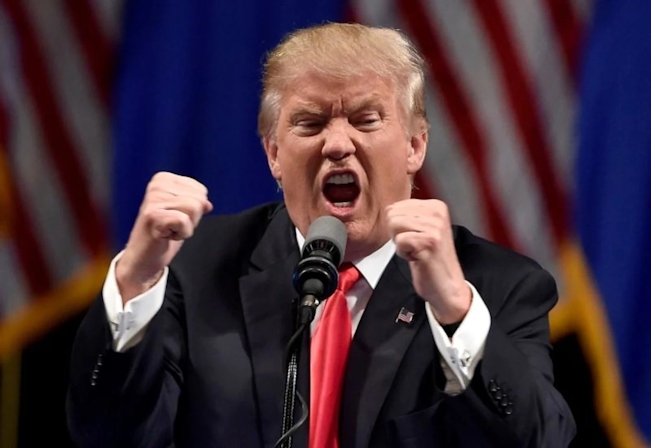
Trump called the reclassification “common sense” during the Oval Office signing ceremony, stating the action was “requested by American patients suffering from extreme pain, incurable diseases, aggressive cancers, seizure disorders, neurological problems and more.”

What Does NOT Change

Trump himself made this explicit: “It doesn’t legalize marijuana in any way, shape or form and in no way sanctions its use as a recreational drug.”

Here’s what remains exactly the same after rescheduling:

Federal Possession Still Carries Legal Risk

A senior White House official clarified that anyone possessing marijuana would be in violation of the CSA and still remain subject to arrest under federal law.” The Schedule III change doesn’t alter federal policy regarding that fundamental issue.

NORML Deputy Director Paul Armentano warned that rescheduling “does nothing to end hundreds of thousands of possession arrests each year” nor does it address the conflict between federal prohibition and the regulated state markets serving more than half of American adults.

State-Legal Operations Still Face Federal Prosecution Risk

State-licensed dispensaries and cultivators technically remain at risk of federal prosecution. While Congress has blocked DOJ from using federal funds to prosecute state-legal medical marijuana activity, this protection requires annual renewal.

Firearm Restrictions Remain

Federal prohibitions on possessing a controlled substance and legally purchasing a firearm remain in effect for cannabis consumers. Moving to Schedule III may provide legal basis for challenging these restrictions, but they haven’t been eliminated automatically.

Banking Problems Persist

Cannabis operators would still struggle with day-to-day business systems that other industries take for granted. Credit card processing, insurance, and traditional banking remain complicated because marijuana is still a controlled substance under federal law.

What Actually Changes for Cannabis Businesses

The 280E Tax Relief Is Massive

The most immediate impact hits cannabis company balance sheets. Under IRS Code Section 280E, businesses handling Schedule I or II substances cannot deduct routine expenses such as rent, payroll, and equipment from their federal taxes.

“This makes every cannabis business instantly more profitable because they will have the benefit of deducting expenses on their taxes,” explained Jason Tarasek, a Minnesota cannabis attorney.

Some cannabis businesses have faced effective tax rates as high as 80% under the current rules. Schedule III classification eliminates what the industry calls the “280E tax penalty.”

Industry leader Vince C. stated that “rescheduling will help accelerate research, reduce stigma, attract new investment, and ease some of the tax burdens that have held the industry back.”

Research Barriers Will Lower

Cannabis is already among the more well-studied psychoactive substances, with researchers publishing more than 37,000 scientific papers since 2015. However, most research has been observational rather than clinical trials.

The reclassification could expand access for clinical studies at institutions where scientists have long said federal rules make meaningful cannabis research difficult.

The executive order specifically states that the administration’s policy is to increase medical marijuana and CBD research to better inform patients and doctors” and “close the gap between current medical marijuana and CBD use and medical knowledge of risks and benefits.”

Investment Climate May Improve

Wall Street analysts view the reclassification as a financial lifeline for the cannabis industry. The move opens doors for banking access and institutional capital previously sidelined by compliance fears. Many expect the changes to draw major pharmaceutical players into the sector to chase federally insured revenue.

The Medicare CBD Pilot Program

The executive order includes a novel proposal allowing Medicare recipients to access non-intoxicating CBD covered under the federal health care plan. Seniors who use qualifying products would be reimbursed up to $500 annually, beginning April 1, 2026.

A senior administration official noted that “nearly one in four U.S. adults have chronic pain; more than one in three U.S. seniors and six of ten people that use medical marijuana report doing so to manage pain.”

The order also directs the White House to work with Congress to allow Americans access to full-spectrum CBD products while restricting products that pose serious health risks.

How We Got Here

This reclassification completes a process initiated under the Biden administration in 2022. The regulatory review included:

  • 2022: Biden asked HHS and DEA to review marijuana’s scheduling
  • 2023: HHS recommended moving cannabis to Schedule III, marking the first time the agency made such a recommendation
  • 2024: DEA requested administrative hearings on the matter
  • January 2025: Hearings were stayed as Trump took office
  • December 2025: Trump’s executive order directs Attorney General Pam Bondi to expedite and complete the process

Health Secretary Robert F. Kennedy Jr. noted that “five administrations have promised to act on this issue” before acknowledging the Biden administration started the proposal but it “got mired down in chaos, inertia, and disorganization.”

Public Support Overwhelmingly Favors Reform

The political calculus behind the move is clear. According to Gallup polling, 64% of U.S. adults believe cannabis should be legal. A Pew Research Center survey found that only 11% of Americans say marijuana should not be legal at all.

Support splits along party lines—66% of Democrats support full legalization for medical and recreational use compared to 43% of Republicans—but the general trajectory favors reform.

What Advocates Want Next

NORML’s Armentano acknowledged the order “validates the experiences of tens of millions of Americans, as well as those of tens of thousands of physicians” who have long recognized cannabis possesses legitimate medical utility.

However, he cautioned that rescheduling “still falls well short of the changes necessary to bring federal marijuana policy into the 21st century.”

To truly resolve the conflict between federal and state law, advocates argue cannabis must be removed from the Controlled Substances Act altogether—what’s called “descheduling.” This would give states the explicit authority to establish their own regulatory policies, similar to how they handle alcohol.

Senate Minority Leader Chuck Schumer called the move “a step in the right direction” but added “more work must be done to decriminalize cannabis, ease overly restrictive banking regulations that stall industry progress in states where it is legal, and rectify the harms done by the War on Drugs.”

The Bottom Line for Consumers

If you’re in a state with legal cannabis, your day-to-day experience won’t change dramatically right away. You can still purchase from licensed dispensaries, grow where permitted, and consume according to state law.

What might change over time:

  • Lower prices as businesses pass along tax savings
  • Better product research leading to improved formulations
  • Reduced stigma as federal acknowledgment of medical value spreads
  • More states legalizing as lawmakers can no longer cite Schedule I status as justification for prohibition

What definitely won’t change:

  • Federal possession remains technically illegal
  • You still can’t transport cannabis across state lines
  • Federal employees and contractors still face restrictions
  • Banking remains complicated for the industry

The reclassification represents genuine progress—just not the full legalization many hoped for. As the Marijuana Policy Project’s Adam J. Smith put it: “Neither the plant itself nor its naturally occurring component cannabinoids belong on the schedule at all.”

Frequently Asked Questions

Can I still get arrested for marijuana after rescheduling?

Yes. A White House official explicitly confirmed that “anyone possessing marijuana would be in violation of the CSA and still remain subject to arrest under federal law.” The Schedule III change doesn’t alter this fundamental issue. However, federal enforcement against individuals in states with legal cannabis has historically been rare, and Congress has blocked DOJ from using funds to prosecute state-legal medical marijuana activity.

Will dispensary prices drop because of rescheduling?

Industry experts expect prices to decrease over time. NORML anticipates that reclassification “benefits cannabis consumers by resulting in lower overall prices for state-licensed retail products” as businesses pass along tax savings. Some cannabis businesses have faced effective tax rates as high as 80% under 280E, so the relief is substantial.

What's the difference between rescheduling and descheduling?

Rescheduling moves cannabis to a less restrictive category within the Controlled Substances Act while keeping it regulated as a controlled substance. Descheduling removes cannabis from the CSA entirely, treating it more like alcohol or tobacco and giving states full authority to create their own regulatory frameworks. Advocates argue only descheduling can truly resolve the conflict between federal prohibition and state legalization.

How does this affect medical marijuana patients?

Medical patients may benefit from expanded research leading to better-informed treatment options. The executive order specifically addresses closing the gap between current medical marijuana and CBD use and medical knowledge of risks and benefits.” Additionally, the Medicare CBD pilot launching in April 2026 provides seniors up to $500 annually for qualifying products.

When does the rescheduling actually take effect?

The executive order directs Attorney General Pam Bondi to “take all necessary steps to complete the rulemaking process” in the “most expeditious manner.” The exact timeline remains unclear, but the order is designed to fast-track completion of the process that began under Biden. The DEA must finalize the rule, which typically involves a public comment period and administrative procedures.

Do VA doctors still have restrictions on recommending medical cannabis to veterans?

Current federal policy prohibits Veterans Affairs doctors from recommending medical cannabis. However, both the House and Senate have included provisions in spending bills to prevent funds from being used to enforce this prohibition. Rep. Brian Mast, a veteran who championed the provision, explained that veterans facing addiction and suicide epidemics deserve “every tool possible in the arsenal.”

Herb Recommended Products:

Featured Brands:

Herb Recommended Products:

READ MORE