asli dokuzeylul
10 Best High Humulene Strains For Functional Relaxation
Earthy, woody, subtly spicy. Humulene is the terpene behind balanced relaxation. Here’s where it shows up most.

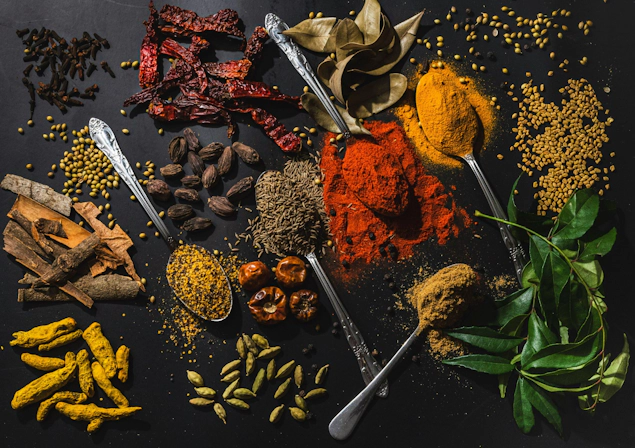
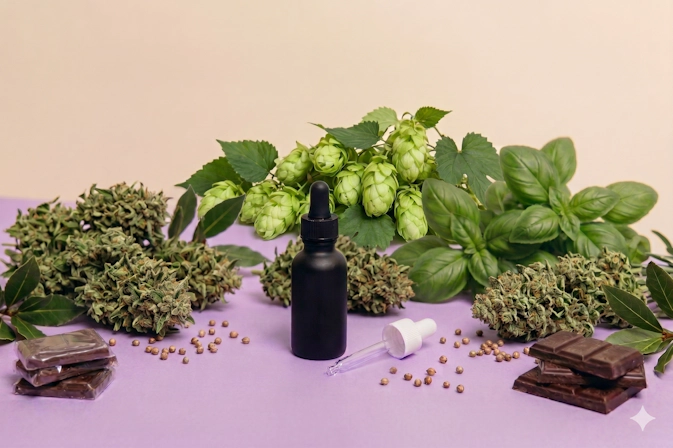
If you’ve been hunting for high humulene strains, you’re chasing one of the more underrated terpenes in cannabis. Humulene shows up in hops, sage, ginseng, basil, and clove. It’s responsible for the earthy, woody, slightly spicy aroma that defines a specific class of cannabis flower.
Humulene gets a lot of cultural noise around appetite suppression. The “diet weed” label has stuck for years. Worth flagging up front: there’s no peer-reviewed clinical research that confirms humulene suppresses appetite in humans. Some early animal studies hinted at the possibility, but nothing has been validated. We’ll cover what humulene actually does—based on real research—in the next section.
This guide covers what humulene actually does and the best humulene-rich strains to try. Plus, learn more about how terpene pairings shape your overall experience.
What Does Humulene Do in a Weed Strain?
HERB
Humulene’s reported effects include calm, anti-inflammatory support, and balanced relaxation. Less couch-lock than myrcene-heavy cuts. Less cerebral than terpinolene-dominant Hazes. Closer to grounded calm.
Here’s the structural detail that explains a lot: humulene is also known as alpha-caryophyllene. It shares the same molecular formula and a near-identical structure with beta-caryophyllene. The two terpenes are almost always found together in cannabis.
If a strain is high in caryophyllene, it’s usually carrying meaningful humulene too. That’s why most of the picks on this list (the OGs, the Cookies, the Kushes) show humulene and caryophyllene as a paired duo on their COAs.
The Entourage Effect Research
This is where humulene gets genuinely interesting. A 2021 study published in Scientific Reports tested whether cannabis terpenes could produce cannabinoid-like effects in mice. Researchers found that alpha-humulene caused behaviors linked to the “cannabinoid tetrad.” This is a common four-part test for cannabinoid activity. It measures pain relief, reduced movement, lower body temperature, and catalepsy.
The study also suggested these effects may involve the CB1 receptor, which is the same receptor THC primarily interacts with. That doesn’t mean humulene behaves like THC or produces an intoxicating high. But it does support the growing theory that terpenes may actively influence how cannabinoids behave in the body, rather than simply contributing aroma and flavor.
Why Cannabis Consumers Seek Out High Humulene Strains
Three reasons:
- The functional relaxation profile (calm without falling asleep)
- The anti-inflammatory potential (managing physical discomfort)
- The flavor character: woody, earthy, herbal, slightly spicy
Hops dominance is the easiest reference: if you’ve smelled a strong IPA, you’ve smelled humulene. Cannabis strains with humulene as a dominant or near-dominant terpene carry that same character into the smoke.
The 10 Best High Humulene Strains in 2026
Without further ado, here are 10 high humulene strains you can find at dispensaries in 2026. Just remember: humulene content varies from batch to batch based on cultivation, harvest timing, and curing. The Certificate of Analysis (COA) is the only way to confirm what’s actually in the jar. Strain reputation is a starting point, not a guarantee.
1. Death Star
tORONTO dISPENSARY
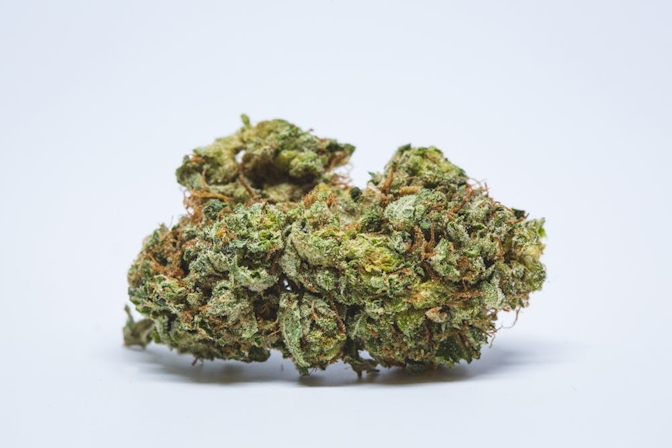
Death Star is the heaviest hitter on this list. Sensi Star × Sour Diesel genetics produce a dense, fuel-forward and pungent flower. With humulene and caryophyllene as a paired duo, the effect is body-forward and deeply relaxing. But the humulene keeps it from tipping into full couch-lock—there’s a clarity underneath the heaviness.
- Potency: 19–24% THC
- Strain type: Indica-dominant hybrid
- Genetics: Sensi Star × Sour Diesel
- Terpene profile: Caryophyllene, Humulene, Limonene
- Flavor profile: Pungent diesel, sweet earth, slight spice
- Typical effects: Heavy body, relaxed, euphoric, sedating
- Average price per gram: $12–$18
2. White Widow
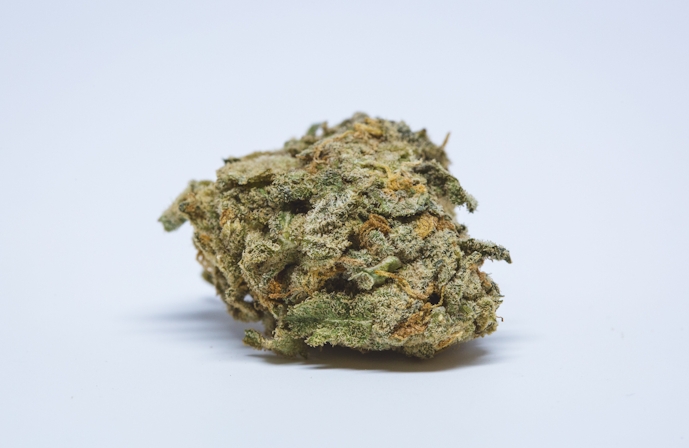
Photo courtesy of Herb
White Widow is the legacy pick. It’s a Cannabis Cup winner from the 1990s that helped define the modern hybrid category. The trichome density genuinely earns the name (the buds look frosted in white). And the humulene plus caryophyllene profile produces a balanced effect. Uplifting up front, then settles into body relaxation. One of the more approachable humulene strains for newer consumers because the high stays manageable.
- Potency: 18–25% THC
- Strain type: Hybrid (balanced)
- Genetics: Brazilian Sativa × South Indian Indica
- Terpene profile: Caryophyllene, Pinene, Humulene
- Flavor profile: Earthy, woody, slight herbal spice
- Typical effects: Euphoric, energetic, relaxed, balanced
- Average price per gram: $10–$16
3. Headband

headband
Headband feels just like the name—an actual headband tightening around your temples. OG Kush × Sour Diesel genetics deliver the lemon-fuel character of the OG family. Among strains high in humulene, this one delivers a more unique sensory experience. The headband sensation pairs with humulene’s calming effect to produce something that doesn’t feel like any other strain.
- Potency: 18–24% THC
- Strain type: Hybrid (balanced, slight Indica lean)
- Genetics: OG Kush × Sour Diesel × Master Kush
- Terpene profile: Caryophyllene, Limonene, Humulene
- Flavor profile: Lemon, diesel, pine, earthy
- Typical effects: Relaxed, euphoric, focused, slight pressure sensation
- Average price per gram: $12–$20
4. Kosher Kush
SilverStem
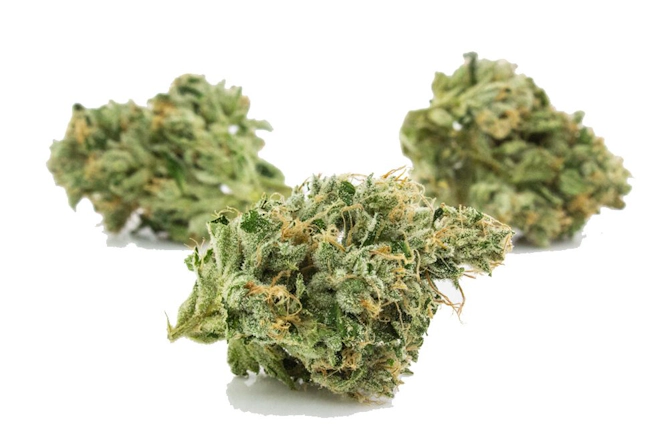
Kosher Kush is a Cannabis Cup-winning DNA Genetics strain with a deep, fruity-sweet flavor profile. It’s known for its consistent humulene content. The high is heavy, relaxing, and full-body—closer to Tahoe OG territory than balanced hybrids. The humulene here pairs with caryophyllene and myrcene to produce one of the more intense experiences in the OG family.
- Potency: 21–25% THC
- Strain type: Indica-dominant
- Genetics: Original Kosher Kush phenotype (OG Kush family)
- Terpene profile: Myrcene, Caryophyllene, Humulene
- Flavor profile: Earthy, fruit, pine, sweet kush
- Typical effects: Deeply relaxing, sedating, body-heavy
- Average price per gram: $14–$22
5. Candyland

Candyland
Candyland is the daytime entry on this list—Sativa-dominant genetics that lean uplifting and social rather than relaxing. The Granddaddy Purple × Bay Platinum Cookies cross produces a sweet, candy-leaning flavor profile. Humulene plays a balancing role underneath the bright top notes. It’s one of the more functional cannabis strains high in humulene. Expect a focused mood lift without the sedation that defines most of the category.
- Potency: 19–24% THC
- Strain type: Sativa-dominant
- Genetics: Granddaddy Purple × Bay Platinum Cookies
- Terpene profile: Caryophyllene, Humulene, Pinene
- Flavor profile: Sweet candy, fruity, earthy spice
- Typical effects: Uplifted, energetic, focused, mood-elevating
- Average price per gram: $12–$18
6. Chemdawg
Chemdawg
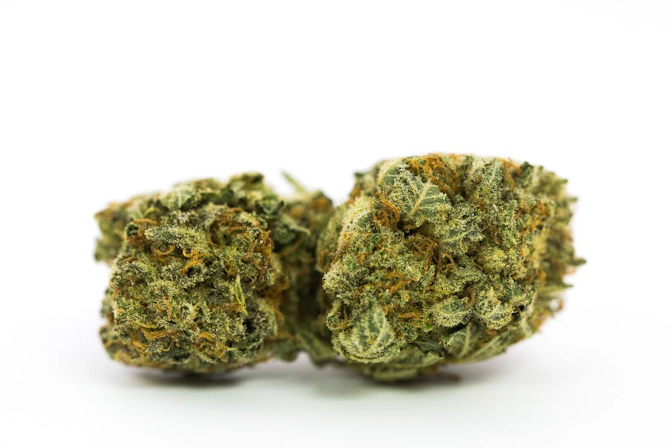
Chemdawg is one of the most influential parent strains in modern cannabis, hands down. She’s the genetic foundation for OG Kush, Sour Diesel, and dozens of other heavyweights. The diesel-and-pungent flavor profile is mouthwatering alone. But humulene shows up alongside caryophyllene to produce a heavy, body-forward effect with surprising mental clarity. One of the strains with high humulene content that’s most likely to appear on dispensary shelves.
- Potency: 19–28% THC
- Strain type: Hybrid (balanced)
- Genetics: Disputed; possibly Nepalese × Thai landraces
- Terpene profile: Caryophyllene, Limonene, Humulene
- Flavor profile: Heavy diesel, fuel, pungent earth
- Typical effects: Cerebral, euphoric, relaxed, body-calming
- Average price per gram: $12–$20
7. Sour Diesel

lightshade
Sour Diesel is the epitome of sour-and-fuel cannabis strains. Its Chemdawg 91 × Super Skunk genetics defined an entire category. Despite being known mainly for caryophyllene and limonene, Sour Diesel contains a solid amount of humulene. It contributes to the body-forward calm underneath the sharp Sativa lift. Among humulene dominant strains worth knowing about, Sour Diesel is the daytime pick.
- Potency: 19–25% THC
- Strain type: Sativa-dominant
- Genetics: Chemdawg 91 × Super Skunk
- Terpene profile: Caryophyllene, Limonene, Humulene
- Flavor profile: Diesel, sour citrus, pungent, earthy
- Typical effects: Energetic, euphoric, uplifting, creative
- Average price per gram: $12–$20
8. OG Kush
og kush
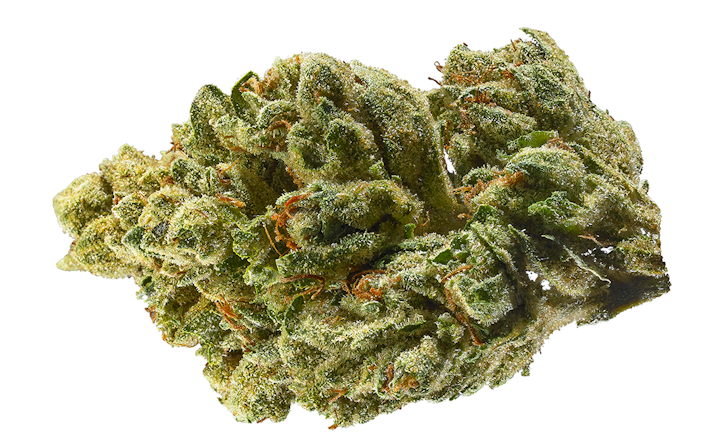
OG Kush is the genetic foundation of the entire modern OG family. Among strains with humulene as a secondary terpene, this one carries the most cultural weight. The myrcene + limonene + caryophyllene + humulene combination is, by far, the most replicated terpene stack in modern breeding. Cerebral onset, body relaxation on the back end, and a flavor profile that genuinely defines what “OG” tastes like.
- Potency: 20–26% THC
- Strain type: Hybrid (Indica-leaning)
- Genetics: Chemdawg × Hindu Kush (lineage contested)
- Terpene profile: Myrcene, Limonene, Caryophyllene, Humulene
- Flavor profile: Lemon-pine, fuel, earthy, spice
- Typical effects: Cerebral onset, body relaxation, stress relief, mood lift
- Average price per gram: $12–$18
9. Skywalker OG
best buds
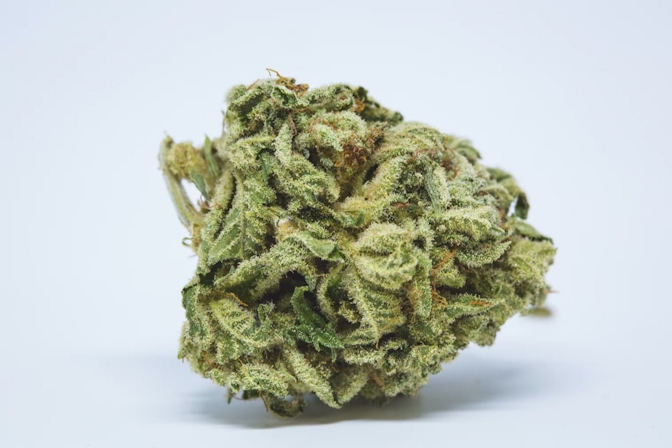
Skywalker OG combines the Skywalker (Mazar × Blueberry) genetics with OG Kush. The result is a strain with deeper berry undertones than the rest of the OG family while keeping the gas-and-pine character intact. The humulene shows up alongside caryophyllene and myrcene to deliver heavy, body-melting indica effects. One of the more accessible high humulene strains for evening sessions.
- Potency: 20–26% THC
- Strain type: Indica-dominant hybrid
- Genetics: Skywalker × OG Kush
- Terpene profile: Caryophyllene, Myrcene, Humulene
- Flavor profile: Earthy, berry, pine, slight diesel
- Typical effects: Relaxed, sedating, body-heavy, euphoric
- Average price per gram: $13–$20
10. Girl Scout Cookies (GSC)
Girl Scout Cookies (GSC)
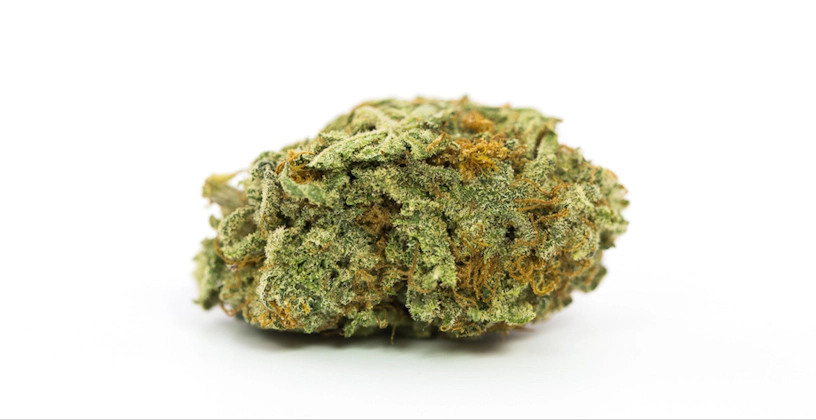
GSC is one of the most influential descendants of the OG Kush family. It’s a cross of OG Kush and Durban Poison that took the OG terpene foundation and added a sweet, dessert-forward character. Humulene appears alongside the caryophyllene and limonene that define the modern Cookies family terpene template. The flavor profile is sweet and earthy with mild mint, and the effect is balanced. Uplifted onset, relaxed body settle, mood elevation throughout.
- Potency: 19–28% THC
- Strain type: Hybrid (Indica-leaning)
- Genetics: OG Kush × Durban Poison
- Terpene profile: Caryophyllene, Limonene, Humulene
- Flavor profile: Sweet, earthy, mint, slight pine
- Typical effects: Euphoric, relaxed, happy, mood-elevating
- Average price per gram: $14–$24
How Do I Choose the Right High Humulene Strain For Me?
herb
Humulene concentration determines the intensity of the calm-but-functional effect. The secondary terpenes determine the character. Here’s how to read the combinations.
Strains High in Humulene and Caryophyllene
This is the most common combination by far. Humulene and caryophyllene are structural cousins (humulene is technically alpha-caryophyllene), and they almost always appear together in cannabis. The combination amplifies the anti-inflammatory and physical-relief properties of both terpenes. Caryophyllene activates CB2 receptors directly, and humulene contributes through the pathways suggested by the LaVigne 2021 research. Best for pain, inflammation, and physical relaxation.
Picks: Death Star, OG Kush, GSC, Kosher Kush.
Strains High in Limonene and Humulene
Limonene’s mood-lifting, anti-anxiety properties pair with humulene’s calming effect to produce a balanced experience that’s emotionally uplifting without sedation. Strains high in limonene and humulene tend to be the most daytime-functional in the humulene category.
Picks: Candyland, Sour Diesel, Chemdawg, Headband.
Strains High in Humulene and Myrcene
Myrcene amplifies humulene’s relaxing quality and adds heavier physical sedation. The combination is the most reliably sleep-supporting in the humulene category. Humulene softens myrcene’s couch-lock into something more comfortable, while myrcene takes the edge off the mind. Best for evening use, sleep, and high-anxiety scenarios.
Picks: Skywalker OG, Kosher Kush, OG Kush.
Strains High in Humulene and Pinene
Pinene adds mental clarity and counters THC-induced cognitive fog. The combination is the most focus-friendly in the humulene category—calm without losing alertness. Less sedation than humulene paired with myrcene.
Picks: White Widow, Candyland.
Strains High in Humulene and THCV
This is the rarer combination worth flagging. THCV is a minor cannabinoid associated with appetite suppression and mental clarity rather than the typical THC effect profile. Strains high in humulene and THCV are pretty uncommon. It’s mainly attracting consumers exploring the “diet weed” claims since THCV has actual research support for appetite-related effects (where humulene alone does not). Most THCV-rich strains lean African landrace genetics like Durban Poison.
anju ravindranath
Other Factors That Shape the Experience
Potency: High humulene at lower THC (15–18%) tends to produce gentler, more functional relaxation. High humulene at 25%+ THC can push into intensity that overwhelms the calm-but-functional effect.
Genetics: The OG family and the Cookies family produce the most consistently humulene-forward expressions. Most strains with high humulene content trace genetics back to one of those two lineages.
Cultivation and Curing: Humulene degrades with heat, light, and time like all volatile terpenes. Recently tested COAs from current batches are the most reliable signal. Total terpene content above 1% generally correlates with better expression. If a strain has been on the shelf for months, the humulene content has likely dropped below the threshold for noticeable effects.
herb
Frequently Asked Questions
What does humulene do in weed?
Humulene contributes to a calm, functionally relaxing effect in cannabis—less sedating than myrcene, less stimulating than terpinolene. The 2021 LaVigne et al. study published in Scientific Reports showed that alpha-humulene produces cannabinoid-like behaviors in mice through the CB1 receptor. It suggests that humulene actively modulates THC’s effects through the entourage effect. Humulene also has well-documented anti-inflammatory and antibacterial properties from non-cannabis research.
How does humulene make you feel?
Calm, relaxed, and grounded without the heavy couch-lock that defines myrcene-dominant strains. Most consumers describe high humulene strains as producing a balanced functional relaxation without losing the mellow effect. The flavor experience is also part of the feeling: woody, earthy, slightly spicy notes.
Does humulene suppress appetite?
There’s no peer-reviewed clinical research that confirms humulene suppresses appetite in humans. The “diet weed” association comes from early animal studies but hasn’t been validated at the clinical level. THCV, a minor cannabinoid, has stronger research support for appetite-suppression effects. If appetite control is the goal, THCV-rich strains are a more research-backed pick than humulene strains specifically.
What does humulene smell like?
Earthy, woody, slightly spicy with hops-forward character. If you’ve smelled a strong IPA beer, you’ve smelled humulene—hops are the most familiar non-cannabis source. Cannabis strains with humulene as a dominant terpene tend to carry that hops-and-herbs character into the smoke. Expect woody undertones that distinguish them from purely sweet, citrus, or fuel-forward strains.
Does humulene make you cough?
Not specifically. Coughing during cannabis consumption is more typically related to combustion temperature, smoke harshness, or terpene volatility broadly, rather than humulene specifically. That said, fresh, terpene-rich flower (which would include high humulene strains) can produce a more intense throat sensation than older, drier flower. Vaping at lower temperatures generally reduces coughing while preserving terpene character.
What are high humulene strains?
High humulene strains are cannabis cultivars where humulene is a dominant or near-dominant terpene, typically at 0.3% or higher. Most high humulene strains carry humulene alongside caryophyllene as a paired duo, since the two terpenes are structural cousins. Genuinely humulene-dominant strains (where humulene leads the terpene profile) are less common than caryophyllene-dominant or myrcene-dominant strains.
What strain has the highest humulene?
Several strains consistently show high humulene content across lab analyses. Death Star, Kosher Kush, and White Widow are among the most documented for elevated humulene levels, with values typically in the 0.3–0.6% range when grown and cured well. The exact “highest” varies batch-to-batch. The COA on the specific jar you’re considering is more reliable than strain reputation alone.
The Herb Community

baylee gramling
For more than a decade, Herb has been a gathering place for people who love, use, and are simply curious about cannabis. That includes the smokers who’ve moved past indica/sativa labels and learned to read terpene profiles like a wine list.
Humulene literacy is one of the more interesting frontiers in cannabis culture right now. It’s a terpene that does something different than its cousins. And figuring out which strains deliver real humulene content is exactly the kind of thing we do.
Here’s what you can tap into at Herb:
- Learning hub and guides that break things down clearly, from terpene profiles to growing weed outdoors
- News hub that spotlights the latest cannabis culture, policy shifts, and research developments
- Dispensary directory to help you find licensed shops in your local area
- Monthly strain picks, featuring rotating Indica, Sativa, and Hybrid favorites—including standouts on terpene character specifically
- Deals page, updated monthly with the best cannabis discounts available online
Stay connected with the Herb community by subscribing to our newsletter, following us on Instagram, and X for the latest in cannabis lifestyle and culture.
Herb Recommended Products:
READ MORE