Mango Tango Strain: Everything You Need to Know
A three-way cross that smells like a fruit stand and finishes like an OG. Here's the full breakdown before you buy or grow it.
Rachel Abela
August 10, 2026
This article contains sponsored content. Some of the products featured are part of paid partnerships. This page explains how our process works.

Herb
A three-way cross that smells like a fruit stand and finishes like an OG. Here's the full breakdown before you buy or grow it.
August 10, 2026
The Mango Tango strain is an indica-dominant hybrid from Elemental Seeds, built from a three-way cross of True OG, Tangie, and Peaches. That pedigree explains almost everything about it.
Tangie brings the citrus to the Mango Tango weed strain, and it’s the loudest thing in the jar. Crack the lid, and you get tangerine and lime up front, sweet and slightly skunky, with ripe mango sitting underneath. The Peaches side adds stone fruit. Then True OG shows up on the exhale with a pepper-spice finish and a kush undertone that keeps the whole thing from tasting like candy.
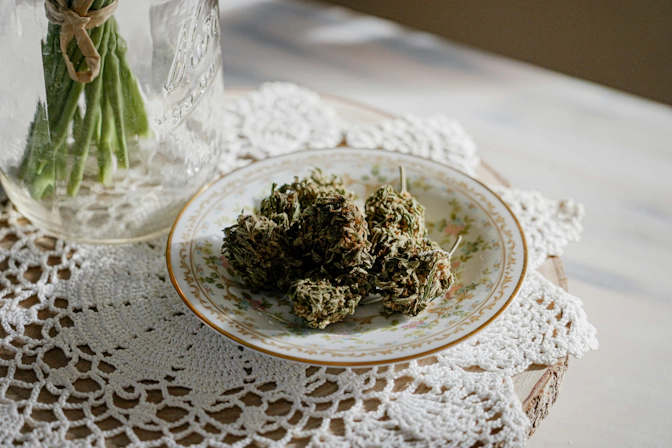
The buds look the part too. Dense, spade-shaped nugs in bright mint green, shot through with amber pistils and packed with resin. Sticky enough that they grind well without gumming up.
THC typically lands between 20% and 26%. Effects lean indica-dominant at roughly 70/30, and it’s commonly reported as a slow creeper. Users say to expect bright euphoria early before settling into steady physical calm.
That combination of loud fruit and genuine weight is why the Mango Tango weed strain keeps showing up on menus. Here’s what’s worth knowing before you try it.

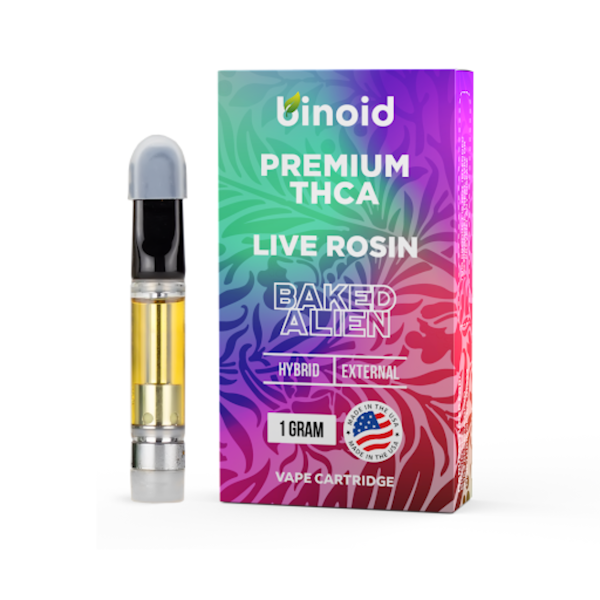
Want this profile without hunting a dispensary shelf? The Binoid THCA Live Rosin Vape Cartridge comes in a Mango Tango option, pairing THCA distillate with live rosin terpenes for the citrus-forward flavor this cultivar is known for. It’s a 1-gram cart at $30.99, down from $59.99, with over 1,000 trusted reviews. Code HERB25 takes 25% off your order.

Herb
If you want the cheat sheet before the deep dive, here it is:
Elsa Olofsson / Unsplash
The Mango Tango strain terpenes are myrcene, limonene, and caryophyllene.
Myrcene: The most abundant terpene in cannabis, myrcene brings an earthy, musky, faintly tropical sweetness. It’s the terpene most often associated with body relaxation and sedation, which lines up with how this one lands in the back half.
Limonene: This is the star of the show and the reason the jar smells like citrus. Limonene delivers the tangerine and lime notes inherited straight from the Tangie side, and it’s commonly linked to mood elevation.
Caryophyllene: Known for its spicy, peppery aroma, caryophyllene is presently the only terpene known to interact directly with cannabinoid receptors. Here it supplies the warm pepper finish that comes from the True OG lineage.
Some batches also test for valencene, the terpene behind Tangie’s signature orange character, which pushes the citrus further forward. That’s part of why the Mango Tango strain terpenes express differently between growers. Two jars with the same name can smell noticeably different depending on cure.

HERB
Mango Tango strain effects arrive in two stages: a bright, euphoric opening followed by a heavy, relaxed landing. It’s commonly described as a slow creeper.
The primary effects of the Mango Tango weed strain include:
Onset is the part people mention most. Mango Tango strain effects take their time, often several minutes longer than you’d expect, then arrive properly.
The back half is where the indica side takes over. Physical calm builds steadily, and at moderate doses, Mango Tango strain effects stay functional rather than flattening. Push the dose, and it becomes an evening-only experience.
Duration typically runs 2 to 3 hours with a gentle taper.
Best use cases: Mango Tango strain effects suit late afternoon and evening sessions, unwinding after work, creative projects during the middle stretch, and anyone wanting flavor with real weight behind it.
Possible downsides: Dry mouth and dry eyes are standard. The delayed onset catches people out and leads to redosing too early, and at higher doses, Mango Tango strain effects tip firmly toward sleepy.
Who enjoys it most: Flavor chasers who still want a proper body effect. On the Mango Tango strain indica or sativa question, the citrus nose fools people into expecting a daytime sativa. It isn’t one. Genetics and reported effects both point to indica-dominant.

Herb
Here’s what nearly every Mango Tango strain review online agrees on:
The most detailed write-up comes from a Mango Tango strain review on r/CBDFlowerUK. The reviewer mentioned limonene as the dominant terpene with a sharp nose straight out of the jar. It was slightly skunky and sweet, with “beautiful chunky dense nugs” that grind well.
The vaping notes in that Mango Tango strain review are even more useful. They reported strong vapor at lower temperatures around 180°C with real sweetness on the tongue. In an update, they called it “a slow creeper” with the best relaxing effects they’d had from a flower in a long time.
Where opinion divides is potency. Reported THC ranges from the high teens to the mid-20s depending on source, so the jar you get matters more than the name on it. That’s the honest split in any Mango Tango strain review. Anyone expecting a bright, energizing sativa from the citrus nose tends to come away recalibrated.
On the vape side, the Binoid THCA Live Rosin Vape Cartridge comes in Mango Tango and has over 1,000 reviews. Buyers describe “a really nice smooth high” that can get intense quickly while staying mellow and heady. Another said the strain “hits differently” with a smooth pull and a relaxed high. Hardware feedback is consistent too, with reports of no clogging and great taste, and nice construction, pull, and feel.
A quick note: the reviews referenced here come from unverified online users, and individual experiences vary. Treat them as a vibe check, not a guarantee.

Ian Deneumostier / Unsplash
Pricing on the Mango Tango weed strain depends on your state and whether you’re buying top-shelf indoor or budget flower. Here’s the realistic range:
Premium indoor versus budget comes down to terpene retention and bag appeal. This strain sells almost entirely on nose, so a stale jar loses the exact thing you’re paying for. Given that Elemental Seeds genetics aren’t widely distributed, availability varies by market. Scarcity can push prices toward the top of that range in states where few cultivators run the cut.
Dispensary availability is regional, since this is an Elemental Seeds cultivar without broad distribution. If your local menu comes up empty, the hemp market might be your best bet.
Our pick is the Binoid THCA Live Rosin Vape Cartridge, which offers Mango Tango among six strains.
Two things worth knowing. The live rosin terpenes are what carry the Mango Tango character here, so this is a flavor-forward option rather than a strain-identical one. And Binoid doesn’t ship THCA products to Arkansas, Hawaii, Idaho, Kansas, Louisiana, Oklahoma, Oregon, Rhode Island, Utah, Vermont, Washington, or West Virginia.
Code HERB25 takes 25% off at checkout.
Tim Foster / Unsplash
Growing the Mango Tango weed strain is a moderate project, and the real obstacle is sourcing rather than skill. Elemental Seeds released Mango Tango as regular, not feminized, seeds. Original packs are now difficult to find, so current availability may be limited to old seed stock or clones.
Plants hold medium height with moderate internodal spacing and stretch roughly 1.5x after the flip, which is typical for an indica-leaning hybrid carrying Tangie vigor. Flowering runs around 59 days, and the buds get dense enough that airflow becomes a real concern in late bloom.
Here’s the practical Mango Tango strain information for anyone attempting it:
That last point matters. Anything marketed as Mango Tango seed is likely a different cross wearing the same name, which is common with popular cultivars.
Elsa Olofsson
Love this one but want to branch out? These hit comparable notes through genetics, terpenes, or effects:

Herb
Mango Tango is an indica-dominant hybrid bred by Elemental Seeds from True OG, Tangie, and Peaches. Anyone asking what strain is Mango Tango should know it’s a three-way cross, which is why the flavor is so layered. Expect citrus and mango up front with a peppery kush finish.
Indica-dominant, commonly cited around 70% indica and 30% sativa. The citrus-heavy aroma leads people to expect a sativa, but the Mango Tango weed strain consistently lands relaxing and evening-friendly. The Tangie parentage supplies the nose while True OG supplies the weight.
Most sources put it between 20% and 26%, though some report figures in the high teens. That’s a wide spread, so check the label on your specific jar. CBD stays under 1%.
Tangerine and lime on the inhale, ripe mango and stone fruit underneath, then a peppery, slightly earthy finish. Reviewers frequently mention the citrus arriving before the jar is fully open. The kush undertone from True OG is what keeps it from tasting purely like candy.
Expect roughly $9 to $15 per gram depending on your market and quality tier. Eighths typically run $30 to $50, with ounces landing between $180 and $300. Limited distribution can push prices higher in markets where few cultivators grow it.
Yes, particularly if you buy for flavor and evening relaxation. The terpene profile is among the more distinctive citrus-forward options available, and the two-stage effect gives it more range than most indica-leaning hybrids. The main catch is inconsistent potency between batches, so freshness and lab numbers matter as much as the name.