
stuart hay
How to Buy Weed in Edinburgh: Scotland’s Capital and the Legal Reality |
08.27.2026How to Buy Weed in Edinburgh: Scotland’s Capital and the Legal Reality
Recreational cannabis is illegal across Scotland, and CBD rules are stricter than most guides admit. Here is what Edinburgh's law and enforcement actually look like.

Edinburgh attracts a steady stream of visitors who assume Scotland’s reputation for pragmatism extends to cannabis policy. It does not, at least not in the way the internet suggests. Cannabis is a Class B controlled drug under the Misuse of Drugs Act 1971, drug classification is reserved to the UK Parliament, and unauthorised possession remains a criminal offence anywhere in the city.
What Scotland does have is a distinct criminal justice system with its own disposal options, and a lawful medical prescribing route that has existed since 2018. Neither amounts to tolerance, and both are routinely misdescribed in travel content.
Whether you are researching cannabis strains for medical reasons or looking at legal CBD alternatives, this guide covers what the law actually says, how Scottish enforcement really works, how the private medical pathway operates, and where the CBD market sits in relation to Scottish food and drug regulation.
Key Takeaways
- Recreational cannabis is illegal throughout Scotland. Unauthorised possession of a Class B drug carries a maximum of up to five years’ imprisonment, an unlimited fine, or both.
- Supply, production, and unauthorised cultivation carry a maximum of up to 14 years’ imprisonment, an unlimited fine, or both, including cultivation of a single plant.
- Cannabis-based products for medicinal use were rescheduled in Great Britain on 1 November 2018, creating a lawful prescribing route through specialist doctors on the GMC Specialist Register.
- There is no statutory list of qualifying conditions and no general age-18 requirement for cannabis-based medicinal products. Prescribing is a clinical decision made case by case.
- The widely quoted 0.2% THC figure relates to industrial hemp cultivation and is not a general legal limit for finished CBD products.
- CBD foods are novel foods requiring authorisation, and Food Standards Scotland states that no CBD food products have yet been authorised in Scotland.
- Cannabis flowers and leaves remain controlled parts of the plant regardless of a low-THC or CBD label.
- Scotland’s specified drug driving limit for delta-9-THC is 2 micrograms per litre of blood.
Is Weed Legal in Edinburgh?

adam wilson
Recreational cannabis is not legal in Edinburgh, and there is no local exception. Drug classification and controlled drug legislation are reserved to Westminster, so Scotland cannot decriminalise cannabis independently even where Scottish ministers might wish to.
What is devolved is policing, prosecution, and health policy. That produces real differences in how cases are handled, but it does not change what is lawful.
- Recreational possession. A criminal offence. The maximum penalty is up to five years’ imprisonment, an unlimited fine, or both.
- Supply and production. A criminal offence with a maximum of up to 14 years’ imprisonment, an unlimited fine, or both.
- Cultivation. Section 6 of the Misuse of Drugs Act makes unauthorised cultivation of any plant of the genus Cannabis an offence, including a single plant.
- Medical cannabis. Lawful when prescribed. Unlicensed cannabis-based medicinal products generally require prescribing or direction by a doctor on the GMC Specialist Register.
- CBD. CBD itself is not a controlled substance, but finished products are subject to drugs law, food law, cosmetics law, or medicines law depending on what they are and how they are sold.
There is no dispensary model, no cannabis social club framework, and no legal recreational purchase route anywhere in Scotland.
How Scottish Enforcement Actually Works

jonathan ricci
Scotland’s criminal justice system offers police and prosecutors a range of disposals for lower-level offending. This is genuine and worth understanding, but it is a Scotland-wide policy framework rather than an Edinburgh-specific informal tolerance.
- Recorded Police Warnings. Scotland uses Recorded Police Warnings as a formal alternative to prosecution in eligible low-level cases, including some drug possession offences. Scottish Government material is explicit that this is an enforcement response and does not amount to decriminalisation.
- Report to the Procurator Fiscal. Where a warning is not appropriate, police may submit a report to the Procurator Fiscal, who then decides how to proceed.
- Diversion from prosecution. Diversion is generally a prosecutorial decision rather than an on-the-spot police disposal, and it is available in appropriate cases.
- Prosecution. Cases proceed through the Scottish court system, principally Justice of the Peace Courts, Sheriff Courts, and the High Court depending on the case. Scotland does not use magistrates’ courts.
On the “£90 fine” claim. No standard £90 cannabis-possession fixed penalty in Scotland should be presented as the normal disposal. Scottish criminal proceedings data distinguishes Recorded Police Warnings from Anti-Social Behaviour Fixed Penalty Notices, and the latter are not a standard cannabis-possession outcome.
What discretion does not mean. Outcomes depend on the evidence and the circumstances of each case. Quantity suggesting supply, public consumption, other concurrent offences, and previous drug-related convictions all push cases toward prosecution. A drug conviction carries lasting consequences for employment, education, visas, and travel.
Medical Cannabis in Edinburgh: The Lawful Pathway

joss broward
Cannabis-based products for medicinal use were rescheduled in Great Britain on 1 November 2018, creating a lawful prescribing route. In practice, almost all access runs through private clinics rather than the NHS.
What the framework actually requires:
- Specialist prescribing. Unlicensed cannabis-based medicinal products generally require prescribing or direction by a doctor on the GMC Specialist Register. General practitioners do not initiate these prescriptions.
- No statutory condition list. There is no universal legal list of qualifying conditions. Prescribing is a case-by-case clinical judgement based on unmet clinical need and consideration of existing treatments.
- No general 18+ rule. UK law does not impose a blanket age-18 minimum. NHS Scotland guidance discusses prescribing for severe epilepsy in adults and children.
- No universal “two failed treatments” rule. Individual private clinics may adopt eligibility criteria of this kind, but it is a provider policy rather than a statutory threshold.
- Ongoing monitoring. NICE recommends monitoring efficacy and safety, with shared-care arrangements specifying frequency. Follow-up intervals are set by the prescriber, treatment plan, and provider rather than by a fixed statutory minimum.
Where the evidence is strongest. NHS Scotland describes cannabis-based medicines as being considered for a relatively small number of patients, and identifies stronger evidence or established use in certain severe epilepsies, chemotherapy-induced nausea and vomiting, and multiple sclerosis spasticity. Private specialists may consider other conditions off-label, and that is not the same as established evidence or automatic eligibility.
On smoking. Prescribed cannabis flower may be supplied where clinically appropriate, but UK medicinal cannabis rules prohibit administering cannabis-based medicinal products by smoking. Patients should follow the prescribed method of administration.
Finding a Clinic and What It Costs

herb
Many private cannabis clinics serving patients in Edinburgh operate through remote consultations. One of the largest UK providers currently states that it does not operate a physical clinic in Scotland, so claims about a nearby face-to-face option in central Scotland should be checked directly with the provider before you travel.
On pricing. Consultation fees, prescription charges, delivery costs, and medication prices vary widely between providers and change frequently. Some clinics now advertise low or nominal initial consultation fees and recover costs through subscription plans or medication margins, while others charge a one-off assessment fee with ongoing care included. Any fixed price range published in a guide will be out of date quickly.
- Verify before you book. Confirm current consultation, repeat prescription, delivery, and medication charges directly with the provider.
- Ask what is excluded. Medication is almost always priced separately from appointment plans.
- Check regulatory registration. Confirm the clinic’s registration status with the relevant healthcare regulator.
- Bring your records. A Summary of Care Record from your GP supports the clinical assessment.
On medical cannabis cards. Some providers issue patient identification cards. The Home Office has not officially endorsed any medical cannabis card in the UK, and such a card does not itself establish legal authority to possess a controlled medicine. The prescription and lawful dispensing are what matter.
CBD in Scotland: Stricter Than You Have Been Told
cosmin ursea
This is the section most guides get wrong, and the error can put a well-intentioned consumer on the wrong side of the law.
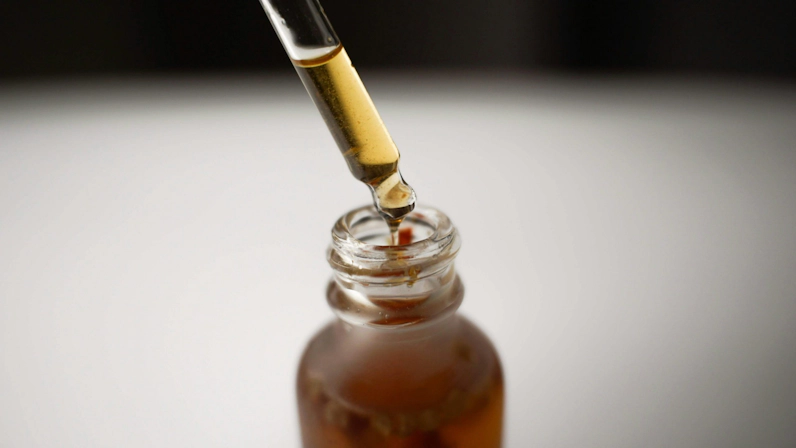
- The 0.2% figure is not a general limit. Home Office guidance expressly states that UK drug legislation does not create a 0.2% THC exemption for cannabis products. That figure relates primarily to approved industrial hemp varieties and licensing policy, not to finished consumer products.
- The 1mg rule is not an alternative THC limit. A product containing a controlled cannabinoid is exempt from drug control prohibitions only if it satisfies every limb of the statutory exempt product definition. The Home Office interprets the 1mg threshold on a per-container or per-component basis, and compliance is fact-specific.
- CBD flower is not a gray area. Home Office policy treats cannabis flowers and leaves as controlled parts of the cannabis plant regardless of THC percentage. The industrial hemp regime permits use of seed and fibre under specified conditions, not flowering tops. Do not assume a product is lawful because it is openly advertised as CBD flower.
- CBD foods require novel food authorisation. Food Standards Scotland states that no CBD food products have yet been authorised as novel foods in Scotland, and describes CBD extract products currently on the market as being in contravention of the novel food regulation. FSS also advises healthy adults to limit consumption of CBD from food to 10mg per day and does not recommend CBD for vulnerable groups except under medical direction. Authorisation applications are progressing, so check current FSS guidance rather than assuming the position is unchanged.
- Pet CBD is a veterinary medicine. The Veterinary Medicines Directorate treats CBD products intended for animals as veterinary medicines. No CBD veterinary medicines are currently authorised in the UK, and supplying an unauthorised CBD product for animal use is unlawful outside applicable veterinary prescribing mechanisms. Pet owners should consult a veterinary surgeon.
The practical conclusion is that the visible presence of CBD products in Edinburgh shops does not establish that any given product complies with food, drug, cosmetics, or medicines rules. Verify product-specific status rather than relying on availability.
Cannabis and Driving in Scotland

cameron gibson
Scotland sets a specified blood limit of 2 micrograms of delta-9-THC per litre of blood. That is a low threshold, and it operates separately from the offence of driving while unfit through drugs.
- The specified limit offence. Exceeding 2 µg/L can support a charge regardless of whether you feel impaired.
- A statutory medical defence exists. Patients taking a prescribed medicine as directed may, in appropriate circumstances, raise a statutory medical defence to the specified limit offence.
- There is no defence to driving while unfit. Impairment is a separate offence, and a prescription does not cover it.
- Carry your documentation. Prescribed patients should be able to evidence lawful possession and the prescribed dosage.
Travelling With Prescribed Cannabis-Based Medicine
herb
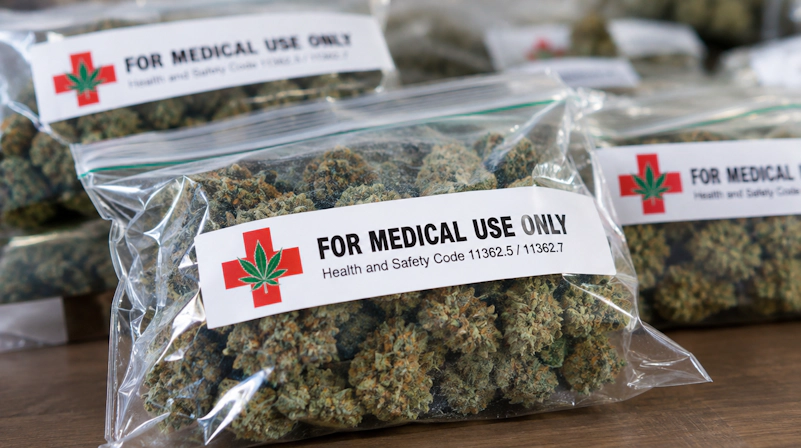
Do not travel with non-prescribed cannabis under any circumstances. For lawfully prescribed medicines, the rules are more permissive than most guides suggest, but they are procedural and must be followed.
- Non-UK residents entering the UK. The Home Office permits certain travellers to carry lawfully prescribed medicines containing Schedule 2 to 4 controlled drugs into the UK for personal use, generally up to a three-month supply, subject to documentation requirements. A clinician’s letter containing the prescribed details should be carried.
- UK residents prescribed abroad. Different rules apply, and the Home Office Drug and Firearms Licensing Unit should be contacted before returning.
- Leaving the UK. Your destination country’s rules govern arrival there, and many jurisdictions do not permit entry with cannabis-based medicines at all.
- Keep it in original packaging. Original labelled dispensing packaging plus prescribing documentation is the baseline for any controlled medicine.
The point that most travel content gets wrong is the blanket claim that foreign prescriptions are never recognised. For the specific purpose of personally carrying eligible prescribed controlled medicines into the UK, that is not accurate.
Using Prescribed Products Safely

Herb
Patients should obtain cannabis-based medicinal products only through a lawful prescription and a registered pharmacy, use them according to prescribing instructions, and contact their clinician or pharmacist if packaging, appearance, or quality raises concerns. Identity, quality, and dispensing of prescribed products are governed through the pharmaceutical supply chain, so there is no need for a patient to assess a product the way a consumer might in an unregulated market.
General harm reduction points:
- Effects vary substantially. Response depends on THC and CBD dose, formulation, route of administration, tolerance, and individual physiology.
- Strain names are not reliable predictors. Commercial strain labels, the indica and sativa categories, and terpene descriptions should not be treated as dependable indicators of medical benefit or personal response.
- Oral products have delayed onset. Onset can take between 45 minutes and two hours, which is where most accidental overconsumption happens.
- Certain situations warrant avoidance. Pregnancy, a history of psychosis or severe anxiety, and interactions with other medicines all warrant a conversation with a healthcare professional.
- Do not drive impaired. See the driving section above for Scotland’s specified limit.
Herb is not a medical provider and cannot offer medical advice. Speak to your prescriber about anything specific to your treatment.
How Scotland Compares Across the UK and Europe
| Jurisdiction | Recreational Status | Medical Access |
|---|---|---|
Scotland | Illegal; Class B controlled drug | Lawful by specialist prescription since November 2018, largely through private clinics |
England and Wales | Illegal; same reserved drug law | Same prescribing framework; NHS prescribing remains rare |
Germany | Personal possession and cultivation associations | Established medical framework; association membership is residency-based |
Netherlands | Tolerated coffeeshop system | Pharmacy-based medical supply; municipal rules on coffeeshop access vary |
Portugal | Personal possession decriminalised | Regulated medical framework; decriminalisation is not legalisation |
European frameworks continue to shift, and residency conditions are the most common reason visitor expectations do not match reality. Herb’s cannabis news coverage tracks policy changes as they land.
What Might Change in Scotland
Scotland’s cannabis future remains tied to Westminster on classification, though several pressures are worth watching.
- Reserved competence is the ceiling. No mechanism exists for Scotland-only decriminalisation while drug classification sits with the UK Parliament.
- Medical access is the active area. The private prescribing sector has expanded considerably since 2018, while NHS prescribing has remained limited.
- CBD regulation is moving. Novel food authorisation work is progressing in Great Britain, which would create the first fully regulated CBD food products if completed.
- International precedent builds slowly. Reform in other European markets shapes the debate without creating any direct legal effect in Scotland.
Treat current law as the operating reality rather than planning around anticipated reform.
Why Herb is Your Essential Cannabis Resource

hongbin
For anyone working through a complex regulatory environment, clear and current information matters more than in mature legal markets. Herb provides educational resources covering law, products, and safe consumption across jurisdictions.
- Strain database. Explore thousands of strain profiles with detailed effects, flavours, and genetics.
- Practical guides. Work through consumption techniques and product fundamentals.
- Product discovery. Browse cannabis accessories and products from established brands.
- Cannabis education. Access learning resources covering cannabinoid science and beyond.
- Recipes and cooking. Explore cannabis-infused recipes with step-by-step instructions.
For Edinburgh readers weighing medical cannabis options or following UK policy, Herb combines cannabis expertise with practical information you can act on.
Final Verdict

jure tufekcic
Edinburgh is a superb city, and cannabis access is not among the things it offers visitors. Here is how the decision breaks down:
- Visiting and hoping to buy? There is no lawful route. Cannabis is a Class B controlled drug, and Scottish disposal discretion is not permission.
- Assuming Scotland is a policing gray zone? Recorded Police Warnings are a formal alternative to prosecution, not informal tolerance, and outcomes depend entirely on the circumstances of the case.
- Considering CBD instead? Verify the specific product’s status. The 0.2% figure is not a general limit; CBD flower is a controlled part of the plant, and Food Standards Scotland says no CBD food products have yet been authorised in Scotland.
- Exploring medical cannabis? The prescribing route is real and specialist-led. Expect a clinical assessment rather than a checklist, and verify current fees directly with the provider.
- A prescribed patient travelling to the UK? Follow the Home Office rules for carrying prescribed controlled medicines, and carry a clinician’s letter with the prescribed details.
- Driving at all? Scotland’s 2 µg/L specified limit is low. Even prescribed patients need to understand the difference between the specified limit defence and the separate offence of driving while unfit.
For destination guides covering markets where access is lawful and straightforward, Herb’s guides section has the full picture.
Frequently Asked Questions
Is cannabis legal in Edinburgh, Scotland?
No. Recreational cannabis is illegal throughout Scotland, including Edinburgh. Cannabis is a Class B controlled drug under the Misuse of Drugs Act 1971, with a maximum penalty for unauthorised possession of up to five years’ imprisonment, an unlimited fine, or both. Medical cannabis has been lawfully prescribable in Great Britain since 1 November 2018, but only through a specialist doctor on the GMC Specialist Register.
What are the penalties for cannabis possession in Scotland?
The statutory maximum for unauthorised possession of a Class B drug is up to five years’ imprisonment, an unlimited fine, or both. Supply, production, and unauthorised cultivation carry up to 14 years, an unlimited fine, or both. In practice, police may issue a Recorded Police Warning in eligible low-level cases or report the matter to the Procurator Fiscal, who may then consider diversion or prosecution. There is no standard £90 cannabis-possession fine in Scotland.
Is CBD legal in Edinburgh?
CBD itself is not a controlled substance, but product legality is more complicated than a single THC figure. Home Office guidance states that UK drug legislation does not create a 0.2% THC exemption for cannabis products, and cannabis flowers and leaves remain controlled parts of the plant regardless of a CBD label. CBD foods are novel foods requiring authorisation, and Food Standards Scotland states that none has yet been authorised in Scotland. Verify a specific product’s regulatory status rather than assuming availability implies compliance.
Are there medical cannabis clinics in Edinburgh?
Many private cannabis clinics serving Edinburgh patients operate through remote consultations, with prescriptions dispensed by a registered pharmacy and delivered to the patient. One major UK provider currently states that it does not operate a physical clinic in Scotland. Availability, registration status, and fees change, so confirm details directly with any clinic before booking.
Can I bring prescribed cannabis medicine into the UK?
In many cases, yes, subject to the rules. The Home Office permits certain travellers to carry lawfully prescribed medicines containing Schedule 2 to 4 controlled drugs into the UK for personal use, generally up to a three-month supply, with appropriate documentation. Non-UK residents should carry a clinician’s letter containing the prescribed details. UK residents prescribed a controlled medicine abroad should contact the Home Office Drug and Firearms Licensing Unit before returning. Non-prescribed cannabis should never be carried.
This article is for informational purposes only and does not constitute legal advice. Cannabis laws vary by jurisdiction and are subject to change. Always verify current regulations with official sources before traveling. Herb does not encourage the purchase or use of cannabis in jurisdictions where it is illegal.
Herb Recommended Products:
READ MORE