
emmy gaddy
How to Buy Weed in Greenville: South Carolina’s Strict Laws and the Hemp-Shop Workaround |
07.30.2026How to Buy Weed in Greenville: South Carolina’s Strict Laws and the Hemp-Shop Workaround
South Carolina bans marijuana outright, but Greenville's hemp shops sell Delta-8 and THCA products under a loophole that a new federal law is set to close in November 2026.

South Carolina maintains some of the nation’s most restrictive cannabis laws: no medical marijuana program, no recreational sales, and criminal penalties for possession of any amount. Yet walk through Greenville’s commercial corridors, and you will find hemp shops openly selling cannabis products containing Delta-8, Delta-9, and THCA. This exists because the 2018 Farm Bill created a federal loophole that South Carolina has not fully closed, though a major federal law change now has a firm expiration date on that loophole. Understanding what is actually legal, what sits in a gray area, and what will land you in real legal trouble is essential for anyone seeking cannabinoid products in the Palmetto State right now.
Key Takeaways
- Marijuana remains fully illegal in South Carolina. Simple possession of 1 ounce or less carries up to 30 days in jail and a $100 to $200 fine for a first offense.
- Hemp-derived products under 0.3% Delta-9 THC are federally legal today, but face real enforcement uncertainty after Greenville County’s 2024 crackdown on psychoactive hemp products.
- A federal law change takes effect November 12, 2026, and is expected to close the loophole that allows Delta-8, Delta-9, and THCA hemp products to be sold nationwide, including in South Carolina.
- South Carolina’s own attempt to regulate hemp products failed in 2026. A bill that would have added age limits and potency caps passed the Senate but was voted down in the House, so today’s hemp products remain sold with essentially no state-level guardrails.
- Always request a Certificate of Analysis (COA) from any retailer to verify cannabinoid content and confirm products meet the federal hemp threshold.
- A handful of hemp retailers serve the Greenville metro area, spread across Greenville, Greer, and Taylors, alongside online retailers that ship from neighboring states.
Is Weed Legal in Greenville?

emmy gaddy
Weed is not legal in Greenville or anywhere in South Carolina, for either recreational or medical use, with one narrow exception for certain epilepsy patients. What is currently legal is federally compliant hemp, meaning cannabis products that test at or under 0.3% Delta-9 THC by dry weight. That legal category includes some genuinely intoxicating products, like Delta-8 and hemp-derived Delta-9, which is why Greenville’s hemp shops exist at all. That loophole is real today, but it is not permanent: a federal law taking effect in November 2026 is expected to close it nationwide.
Understanding South Carolina's Cannabis Laws: What's Legal and What's Not

Elsa Olofsson
South Carolina offers no legal pathway to traditional cannabis. The state has not passed medical marijuana legislation, and recreational use remains criminalized.
Criminal Penalties for Marijuana Possession
- First offense, 1 ounce or less. Misdemeanor, up to 30 days in jail, $100 to $200 fine.
- Second or subsequent offense, 1 ounce or less. Misdemeanor, up to 1 year in jail, up to $1,000 fine.
- Possession with intent to distribute (which can apply above 1 ounce, or at smaller amounts if circumstances suggest distribution). Felony, up to 5 years in prison and up to a $5,000 fine.
The only medical exception is for patients with severe, treatment-resistant epilepsy, who may legally possess low-THC CBD oil containing no more than 0.9% THC and at least 15% CBD, with physician certification, under Julian’s Law, passed in 2014. This program does not extend to any other condition.
The Hemp Exception
Hemp products are legal under both federal and South Carolina law, per South Carolina Code Section 46-55-10. The distinction comes down to Delta-9 THC content by dry weight:
- Hemp, legal today. Cannabis containing 0.3% or less Delta-9 THC.
- Marijuana, illegal. Cannabis containing more than 0.3% Delta-9 THC.
This threshold is the legal foundation for Greenville’s hemp shop industry, at least for now.
The Farm Bill, a Major Federal Change, and Hemp-Derived Products
herb
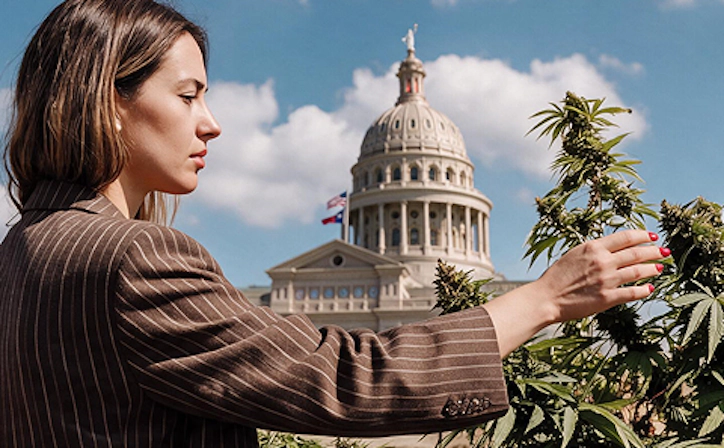
The 2018 Farm Bill federally legalized hemp cultivation and removed hemp-derived cannabinoids from the Controlled Substances Act’s Schedule I list, and South Carolina’s state hemp law mirrors that federal framework. This created the market for THC alternatives sold in Greenville today. That market is now on a countdown.
What Is the Difference Between Hemp and Marijuana?
Hemp and marijuana are the same plant species, distinguished by Delta-9 THC concentration. Hemp is bred for fiber, seeds, and low-THC cannabinoid extraction, while marijuana is cultivated for high THC content and psychoactive effects. The 0.3% Delta-9 THC by dry weight threshold determines which category a product falls into under current law.
A Federal Deadline Is About to Reshape This Market
In November 2025, Congress passed a federal law rewriting the definition of hemp nationwide, replacing the old delta-9-only threshold with a much stricter “total THC” standard and a tiny 0.4 milligram per container cap for finished products. That change takes effect on November 12, 2026, a little over three months from now. Once it does, most of what currently makes Greenville’s hemp shops function, Delta-8 products, THCA flower, and hemp-derived Delta-9 edibles and drinks, is expected to fall outside the federal definition of legal hemp, regardless of what South Carolina decides to do at the state level.
South Carolina’s own legislature tried to get ahead of this with a state hemp regulation bill that would have added age limits, licensing, and potency caps. It passed the state Senate in an amended form in March 2026, but the state House voted it down in June 2026. The practical result is that, right now, South Carolina has essentially no state-level rules on these products, no age restrictions, no potency caps, no licensing, while the federal deadline in November stands regardless. This is a fast-moving situation, and anyone relying on Greenville’s hemp market should expect real disruption within the next several months.
Is Delta-8 THC Legal in South Carolina?
Delta-8 THC occupies a legal gray area today. It is derived from legal hemp, but it produces psychoactive effects that have drawn law enforcement attention. During a February 2024 press conference, then-13th Circuit Solicitor Walt Wilkins summarized Greenville County’s enforcement position bluntly: intoxicating hemp products, in his view, are not legal in South Carolina no matter how they are derived. That crackdown led to product seizures and arrests at multiple hemp shops in the county, and a separate 2025 statewide investigation led to arrests in the Richland and Lexington county area over allegedly illegal hemp products.
Products currently sold in Greenville hemp shops include:
- Delta-8 THC. Mildly psychoactive, derived from CBD.
- Hemp-derived Delta-9 THC. Legal today if the final product tests under 0.3% by dry weight.
- THCA. Non-psychoactive in raw form, converts to THC when heated.
- CBD. Non-intoxicating and widely available.
- CBN and CBG. Minor cannabinoids with various effects.
This kind of enforcement scrutiny, combined with the incoming federal deadline, means the legal ground under this entire product category is shifting quickly.
Navigating Hemp Shops in Greenville: What to Look For
jonathan hanna
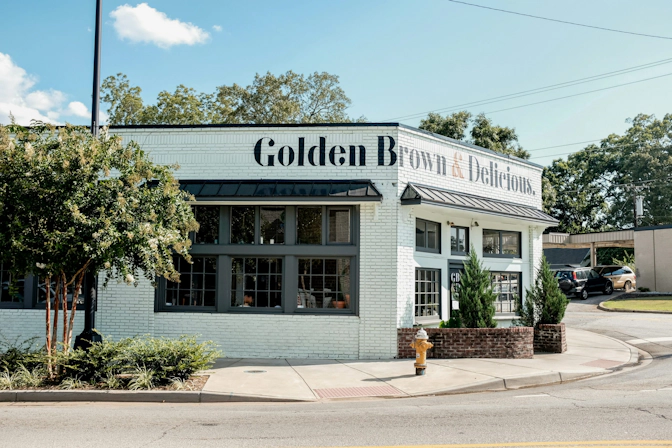
A handful of verified hemp retailers serve the Greenville metro area, spread across the city, Greer, and Taylors. When visiting in person, some due diligence protects both your safety and your legal standing.
Key Questions to Ask at a Hemp Shop
- “Can I see the Certificate of Analysis for this product?”
- “Where is this hemp sourced from?”
- “What’s the total cannabinoid content, including THCA?”
- “Has this product been third-party tested?”
- “What’s your return policy if I have issues?”
Red Flags to Avoid When Buying Hemp Products
- No lab results available. Reputable retailers provide a COA on request.
- Unrealistic health claims. No CBD or hemp product can legally claim to cure disease.
- Extremely low prices. Quality extraction and testing costs money.
- Vague labeling. Products should clearly list cannabinoid content per serving.
- Pressure sales tactics. Good shops educate rather than push products.
Online Options for Hemp Products: Convenience and Caution
alex reynolds
Online retailers ship hemp products to Greenville addresses from neighboring states, often with wider selection than local shops. Before ordering, confirm the retailer provides downloadable lab results for every product, clear contact information, a secure checkout, a real return policy, and proper age verification at checkout, generally 18 and older, sometimes 21 and older. Any product shipped into South Carolina should contain less than 0.3% Delta-9 THC by dry weight, carry proper hemp-derived labeling, come from a licensed hemp business, and arrive in discreet, tamper-evident packaging. Given the pending federal deadline, ask any online retailer directly how they plan to handle compliance after November 12, 2026, before relying on them long-term.
Types of Hemp-Derived Products Available in Greenville

elsa olofsson
- Flower and pre-rolls. Hemp flower containing CBD, CBG, or THCA. THCA flower converts to THC when heated. Typically $30 to $60 per eighth.
- Edibles and gummies. Delta-8, Delta-9, and CBD options, with onset of 30 minutes to 2 hours and effects lasting 4 to 8 hours, typically $25 to $60 per package.
- Vape products. Disposables and cartridges with fast onset, typically $35 to $55.
- Tinctures and oils. Sublingual options with faster onset than edibles and precise dosing, typically $30 to $80.
- Topicals. Non-psychoactive creams, balms, and lotions, typically $25 to $60.
Consumption Methods and Considerations
| Method | Onset | Onset | Duration |
|---|---|---|---|
Inhalation (smoking/vaping) | 1 to 5 minutes | 15 to 30 minutes | 15 to 30 minutes |
Sublingual (tinctures) | 15 to 45 minutes | 1 to 2 hours | 4 to 6 hours |
Edibles | 30 to 120 minutes | 2 to 4 hours | 6 to 8 hours |
Topicals | 15 to 60 minutes | Variable | 2 to 4 hours |
Understanding the effects of hemp cannabinoids:
- CBD. Non-intoxicating, promotes relaxation without impairment.
- Delta-8 THC. Mild psychoactive effects, often described as lighter than Delta-9.
- Hemp-derived Delta-9. Full psychoactive effects when the total dose is sufficient.
- THCA. Non-psychoactive raw, fully psychoactive once heated.
Drug Testing Implications
Hemp products containing any THC variant can cause a positive drug test. Standard workplace tests detect THC metabolites without distinguishing legal hemp from illegal marijuana. If you face drug testing, CBD isolate products with zero THC, third-party testing confirming THC absence, and an extended abstinence period before testing are your safest options. There is no reliable way to use THC-containing hemp products while guaranteeing a negative result.
Potential Risks of Hemp-Derived Cannabinoids

elsa olofsson
The hemp industry currently operates with minimal FDA oversight, placing real responsibility on consumers to verify product safety. Without close regulation, hemp products can carry pesticides or heavy metals, inaccurate cannabinoid labeling, residual solvents in extracts and vapes, or in rare cases synthetic adulterants not actually derived from hemp. Requesting a COA that includes contaminant testing, not just potency, is the best available safeguard. Also keep in mind that operating a vehicle under the influence of any cannabinoid is illegal, cannabinoids can interact with medications processed by the liver, individual responses vary widely so it’s worth starting with a low dose (5 to 10mg for edibles), and long-term research on some of these novel cannabinoids remains limited.
The Future of Cannabis Policy in South Carolina
elsa olofsson
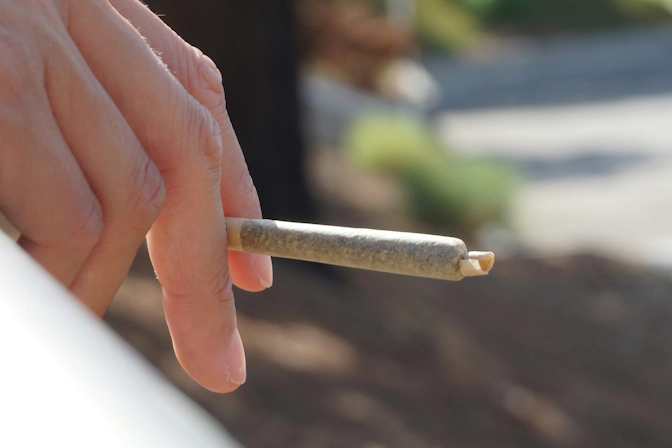
South Carolina’s legislature has considered multiple cannabis-related bills without passing a comprehensive framework. A medical marijuana bill, the Compassionate Care Act, has been reintroduced multiple times since 2015 and remains stalled in committee. A decriminalization bill covering possession of 28 grams or less has also been introduced and remains in early stages with significant opposition. Meanwhile, the hemp regulation effort described above failed in the state House in mid-2026, leaving today’s unregulated hemp market intact for the moment, right up against the November 2026 federal deadline.
Public opinion polling has shown consistent majority support for medical marijuana in South Carolina, but legislative action has not followed. For ongoing coverage, Herb’s news section tracks developments as they happen.
Final Verdict
Greenville’s hemp market currently offers legal cannabinoid access despite South Carolina’s prohibition on marijuana, but this is a genuinely unstable moment for that market, not a settled one.
- Buying hemp products today? Stick to retailers who provide a current COA on request, start with a low dose, and never drive after consuming an intoxicating product.
- Relying on Delta-8 or THCA as an ongoing option? Plan for real disruption. The federal deadline on November 12, 2026, is expected to remove most of these products from the legal market nationwide, and South Carolina currently has no state-level framework of its own to fall back on.
- Considering the traditional market instead? Don’t. South Carolina’s marijuana penalties are real, starting with jail time and a fine for a first-offense simple possession charge, and scaling up sharply from there.
- A patient with severe, treatment-resistant epilepsy? Julian’s Law may offer a narrow, physician-supervised path to low-THC CBD oil, but it does not extend to any other condition.
The safest approach right now is to buy only from reputable retailers with transparent testing, keep doses low, avoid driving after use, and stay closely informed, since both South Carolina’s hemp rules and the federal hemp definition are genuinely in motion at the same time.
Frequently Asked Questions
Do I need a medical card to purchase hemp products in Greenville?
No. Hemp shops and online retailers currently sell to adults 18 and older, sometimes 21 and older, with no prescription or registration required. Julian’s Law, the state’s medical CBD exception, applies only to patients with severe epilepsy who need the specific low-THC, high-CBD formulation, which is a separate program from standard hemp shop products.
What are the possession limits for hemp products in South Carolina?
South Carolina does not currently impose specific possession limits on federally compliant hemp products under 0.3% Delta-9 THC. Products that exceed that threshold become illegal marijuana, subject to the criminal penalties described above. The burden falls on the consumer to be able to show a product is compliant, so keeping original packaging and any available COA documentation is worthwhile if you’re ever questioned.
Can I grow my own hemp plants in Greenville?
Personal hemp cultivation requires a license from the South Carolina Department of Agriculture. Unlicensed cultivation of any cannabis plant, regardless of its THC content, can result in criminal charges, since law enforcement generally cannot distinguish hemp from marijuana without lab testing. Proper licensing is essential before attempting any cultivation in South Carolina.
How do Greenville hemp shops compare to dispensaries in legal states?
They are fundamentally different. Greenville hemp retailers operate without state cannabis licensing, sell only federally compliant hemp products, and currently face no standardized testing or labeling requirements beyond general consumer protection law, especially now that South Carolina’s proposed hemp regulation bill failed to pass. Licensed dispensaries in legal states must meet extensive regulatory standards, submit products to mandatory testing, and operate under strict inventory tracking. In South Carolina’s hemp market, product quality and safety verification depend much more heavily on individual retailer practices.
What should I do if I'm stopped by police with hemp products?
Stay calm and cooperative. If you’re carrying hemp products, keep the original packaging with clear hemp labeling and any available COA documentation. Field tests cannot reliably distinguish hemp from marijuana and can produce false positives, so it’s reasonable to calmly explain that your products are intended to be federally legal hemp while avoiding an argumentative exchange. If you are arrested, contact an attorney immediately, and keep receipts showing where and when you purchased the products.
This article is for informational purposes only and does not constitute legal advice. Cannabis laws vary by jurisdiction and are subject to change. Always verify current regulations with official sources before traveling. Herb does not encourage the purchase or use of cannabis in jurisdictions where it is illegal.
Herb Recommended Products:
READ MORE