What Does Good Weed Look Like? Good vs Bad Weed (with Pictures)
Your guide to spotting top-shelf flower before you smoke it.
Rachel Abela
January 15, 2026
This article contains sponsored content. Some of the products featured are part of paid partnerships. This page explains how our process works.

Herb
Your guide to spotting top-shelf flower before you smoke it.
January 15, 2026
What does good weed look like? It’s a fair question—especially if you’ve ever cracked open a bag and wondered whether you got what you paid for. How do you know if weed is good just by looking at it? And what separates the stuff worth smoking from the stuff you should probably pass on?
The truth is, good vs bad weed can be a little subjective. Personal preference plays a big role. Some people like dense nugs, others prefer a fluffier structure. But there are clear visual and sensory indicators that separate quality flower from mid-grade disappointment (or worse, moldy garbage you shouldn’t smoke at all).
This guide breaks down exactly what good weed looks like, how it should feel and smell, what to look for when smoking, and how to buy quality flower online without getting burned. By the end, you’ll know how to tell if weed is good—or how to tell if weed is bad—before you even light up.

If you’d rather not play the visual-inspection game every time you buy, start with a brand where the floor is already high. thisthat runs 23 THCA strains across indica, hybrid, and sativa, and the impressive part isn’t the ceiling. Their lowest-testing strain in the catalog came in at 28.253%, with Limeade currently topping the available list at 31.756%. That kind of consistency is what separates a real cultivation program from a lucky batch.

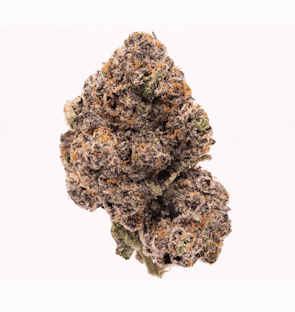
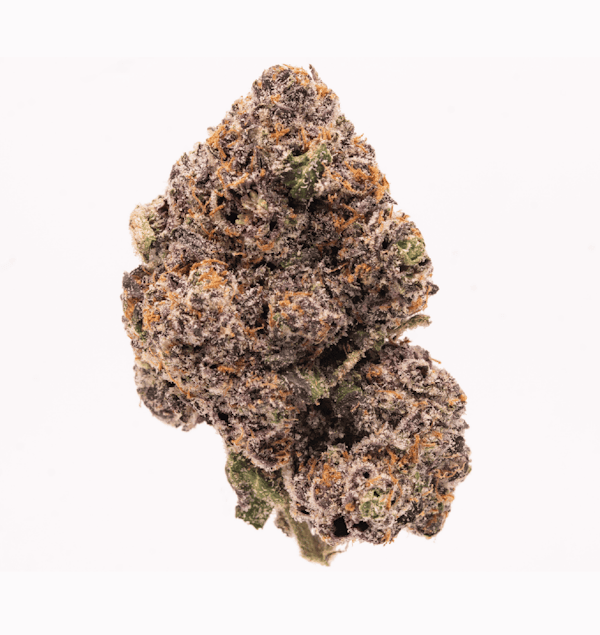
What high-quality cannabis can look like – Herb
So what does good weed look like exactly? Here are the visual characteristics you should check:
Let’s break each one down.
Good weed has a defined structure. You should be able to see the actual shape of the bud, not just a dense rock or a loose pile of shake. Indica and Hybrid strains tend to produce denser, tighter nugs. Sativas often run longer and fluffier. Both are fine as long as the structure looks intentional, not compressed or neglected.
What you don’t want: rock-hard buds with no distinguishable shape. That’s often a sign of PGRs (plant growth regulators), synthetic chemicals that force unnaturally dense growth. You often get rich density but at the expense of trichomes, terpenes, and overall quality. PGR weed looks weird, smells weak, and smokes harshly.
On the flip side, overly loose buds can mean premature harvest or poor growing conditions. The flower never fully developed, which usually means weaker effects and less flavor.
Trim quality matters too. Hand-trimmed flower keeps more trichomes intact. Careless machine trimming can over-shave buds, stripping away the good stuff and leaving you with less potent product.
Trim style is one of the easiest things to check on a product page before you order. Brands running small-batch programs with careful handling, like thisthat, tend to show buds with intact structure and visible trichome coverage in their own photos. If a brand’s own product shots look over-shaved, that tells you something.
Your weed is probably bad if: Buds are rock-hard with no distinguishable structure, or they’re so loose they fall apart in your hands.
This is the frost—the tiny crystal-like structures covering quality flower. Trichomes are where THC, CBD, and terpenes live. More visible trichomes generally mean more potency and flavor.
Good weed should look frosty. Under light, trichomes sparkle and glisten. If you want to check, shine a flashlight on your bud or take a photo with flash. Quality flower will reflect light like they’re covered in tiny diamonds.
There’s a shortcut here if you’re buying online, where you can’t hold the bud. Published potency correlates with trichome development, because that’s where the cannabinoids live. A catalog where every strain clears 28% THCA, as thisthat’s does, is a catalog of frosty flower by definition. You can’t fake that number on a lab report.
How to spot good weed using the trichome test: if your buds look dull and matte with no visible frost, you’re probably holding lower-quality flower. That doesn’t mean it won’t get you high, but it likely won’t hit as hard or taste as good as properly grown and handled cannabis.
Your weed is probably bad if: Buds look flat and lifeless with no visible trichome coverage, even under direct light.
What does good weed look like in terms of color? Healthy cannabis shows vibrant greens as a base, often with purple, blue, or even pink hues depending on genetics and growing conditions. Orange or rust-colored pistils (the hair-like strands) should be visible throughout.
What you don’t want: brown, yellow, or washed-out color. Brown weed usually means old, poorly stored, or improperly cured flower. Yellow can mean nutrient deficiencies during growth. Dull, lifeless color generally signals that the good stuff has degraded.
Your weed is probably bad if: Color looks brown, yellow, or washed out—like it’s been sitting in a drawer for years.
This is non-negotiable. Moldy weed is not safe to smoke. Period.
How to know if weed is bad from mold: look for white or gray fuzzy patches, powdery residue that doesn’t look like trichomes, or dark spots inside the bud. Mold doesn’t always show on the outside—sometimes you need to break open a nug and inspect the interior.
Mold often develops from improper drying, curing, or storage. If your weed smells musty, damp, or like ammonia, that’s another red flag, even if you can’t see visible mold.
Your weed is probably bad if: You see any fuzzy patches, powdery residue, or dark spots, especially inside broken-open buds.
Now that you know what good weed looks like visually, let’s talk about how it should feel and smell.

Herb
Visual inspection only tells part of the story. How can you tell if weed is good beyond just looking at it? Use your other senses.
Feel
Quality flower should have a slight give when you squeeze it. Press a bud gently between your fingers. It should compress slightly, then rebound. That means proper moisture content and good structure.
Bad weed feels wrong immediately:
Try the sticky finger test: press a bud between your index finger and thumb, then remove it. Touch your fingers together—they should stick lightly for about one second before separating. That light tackiness indicates good resin content.
Smell
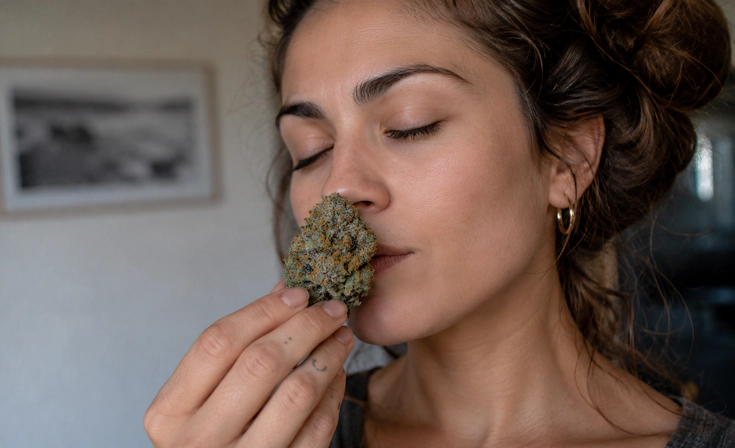
Good weed smells like weed. That might sound obvious, but quality flower has a complex, terpene-driven aroma. Depending on the strain, you might smell earthy, skunky, fruity, piney, citrusy, or gassy notes. You’re looking for complexity—multiple scent layers that hit your nose.
How to tell if weed is bad by smell:
If your weed doesn’t smell like anything (or smells wrong), that’s a sign to investigate further before smoking.
herb
Taste
Good weed should taste like it smells. The terpene profile listed on the packaging should match what you experience when you inhale. Limonene strains should taste citrusy. Myrcene-heavy strains often taste earthy or musky. Caryophyllene adds spicy, peppery notes.
For a deeper dive into how terpenes affect flavor, check out: Types of Cannabis Terpenes and Their Flavors.
If your weed tastes harsh, chemical-like, or nothing like the listed profile, something went wrong during growing, curing, or storage.
Smoke Quality
Smooth smoke means proper drying and curing. The flower had time to develop, and the chlorophyll broke down correctly. Harsh smoke usually means rushed processing—the plant didn’t cure long enough, leaving you with throat-burning hits.
One caveat: some strains are naturally harsher than others, regardless of quality. But in general, well-grown and properly cured flower should smoke smooth and leave white or light gray ash. Interestingly enough, dark black ash can mean the flower wasn’t flushed properly before harvest.
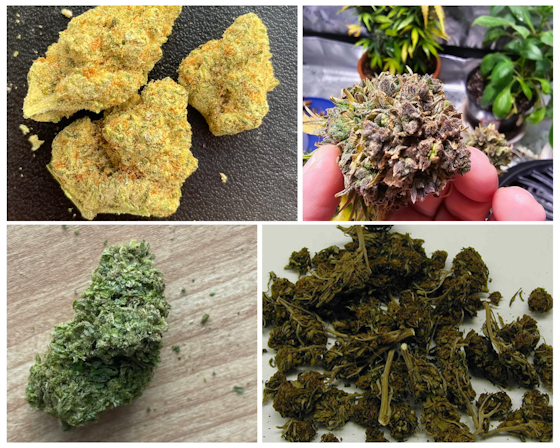
What low-quality cannabis can look like – Herb
Knowing what good weed looks like is only half the equation. Spotting bad weed is just as important—it can keep you from smoking moldy, improperly cured, or simply low-quality flower that delivers a disappointing experience.
Here are the biggest visual red flags to watch for:
No single characteristic automatically means a batch is bad. Some strains naturally grow lighter or darker than others, and bud density varies by genetics. Instead, judge flower as a whole. If you notice several of these warning signs together—especially alongside a stale smell or brittle texture—it’s usually a good indication the cannabis is past its prime or wasn’t produced with quality in mind.

Herb
Buying weed online adds a challenge: you can’t physically inspect the flower before purchasing. So, how to spot good weed when you’re shopping through a screen?
Look for these indicators:
Reviews: Check on-site reviews and trusted platforms like Reddit. Real customer feedback will always show you whether the flower actually matches the description.
COAs (Certificates of Analysis): Good weed also means safe weed. Third-party lab testing confirms everything: potency, cannabinoid content, and possible contaminants. Reputable brands always publish COAs for every batch.
Actual product photos: Some sites post real pictures of each strain rather than generic stock images. That transparency signals they’re confident in their product.
Complete strain information: Quality vendors provide:
The more detail, the better. Vague listings are usually a red flag and mean lower quality standards.
Reputable brands: This matters most. Established brands with consistent quality save you from gambling on random flower. thisthat is a good benchmark for what consistency actually looks like. They offer 23 strains, and the weakest one in the lineup still tested above 28% THCA. When a brand’s floor is that high, it tells you something about quality.

Herb
Good weed has defined bud structure, visible frosty trichomes, vibrant natural color (greens, purples, orange pistils), clean trim, and no signs of mold. It should look fresh and well-cared-for, not compressed, brown, or dusty.
Quality cannabis seeds are dark brown or gray with tiger-stripe patterns or mottling. They should feel hard and have a slight sheen. Pale green, white, or easily crushable seeds are immature and unlikely to germinate successfully.
Good weed smells complex and terpene-driven: earthy, skunky, fruity, piney, citrusy, or gassy, depending on the strain. The aroma should have depth and layers. Avoid flower that smells like hay, must, chemicals, or nothing at all.
Hay smell usually means rushed drying or curing. The chlorophyll didn’t break down properly, leaving that grassy, barn-like scent. It’s not dangerous, but it usually means lower quality and likely weaker flavor.
Sticky weed indicates good resin content, which usually means more cannabinoids and cannabis terpenes. However, overly wet or damp flower can also feel sticky, and that’s a mold risk. The ideal is slightly tacky, not wet.
Depends on why it’s “bad.” Weak, old, or poorly grown weed won’t hurt you, it just won’t be enjoyable. But moldy weed is dangerous to consume and should never be smoked. If you see mold, smell mustiness, or suspect contamination, don’t risk it.
Yes, assuming “bad” means low quality rather than contaminated. Weak weed with low THC content can still produce effects, you’ll just need more of it and the experience won’t be as good.
Both can be fine. Indicas tend toward denser structure, and Sativas often run fluffier. What matters is that the structure looks intentional. Avoid rock-hard buds (indicating possible PGR used during production) and overly loose buds (premature harvest).
Several possibilities: the strain might be lower THC than expected, the flower might be old (cannabinoids degrade over time), or your tolerance might be higher than you think. Lab-tested flower from reputable sources helps ensure you’re getting accurate potency.
Good weed looks the same regardless of source—the quality indicators don’t change. But dispensary flower is regulated and tested, giving you more confidence in what you’re getting. Black market flower can be hit or miss with no verification.

Herb
So what does good weed look like, and what should you avoid? Check the structure, trichomes, color, and trim. Feel for proper moisture and stickiness. Smell for complex terpene-driven aromas. Smoke for smoothness and white ash.
How to tell if weed is good comes down to paying attention. The signs are there if you know what to look for. And when buying online, stick with reputable brands that provide lab testing, detailed strain info, and real product photos.
Quality flower is worth seeking out. Once you know how to spot good weed, you won’t settle for less.

Herb
For more than a decade, Herb has been a gathering place for people who love, use, and are simply curious about cannabis. What started as The Stoner’s Cookbook has grown into a community where millions come to learn, share, and stay connected to the culture.
Here’s what you can tap into at Herb:
Stay updated on cannabis culture, product launches, and the newest trends by subscribing to our newsletter and following us on Instagram and X.