herb
Why I’ll Never Go Back to Disposables: A 510 Loyalist’s Case
One clogged disposable, one 30-minute drive, and one year later. Here's why I'm not looking back.

I never thought the disposable vs 510 question would get settled halfway through a girls’ weekend. But that’s exactly how it happened.
I’d grabbed a 2-gram liquid diamond disposable for the trip. Great oil, brand I won’t name out of respect. And right on cue, halfway through the weekend, it clogged. Every hit took everything I had.
Was I shocked? Honestly, no. I always had a feeling a disposable would do me dirty eventually. It just had to be the weekend I actually relied on it.
Here’s what happened next, and why I haven’t touched one since.
Disposable vs 510: The Hit That Made Me Switch
herb
It wasn’t one bad disposable that made me switch. It was realizing that they all quit eventually. The disposable vs 510 decision is about the gap between a device built to be thrown away and one built to last.
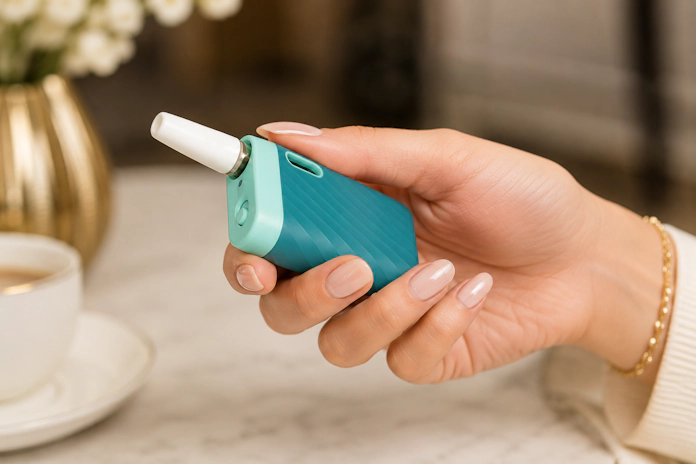
So picture the scene. I’m at the cottage, my disposable is dead weight, and our sober friend (bless her soul) volunteers to drive me 30 minutes back into town. I walk into the dispensary, find the budtender, and ask a simple question: “What’s your best 510 battery?” He hands me the Yocan Uni 3.0.
That little green device fixed my weekend. Then it changed how I vape for good.
What Is a 510 Thread Battery?

Herb
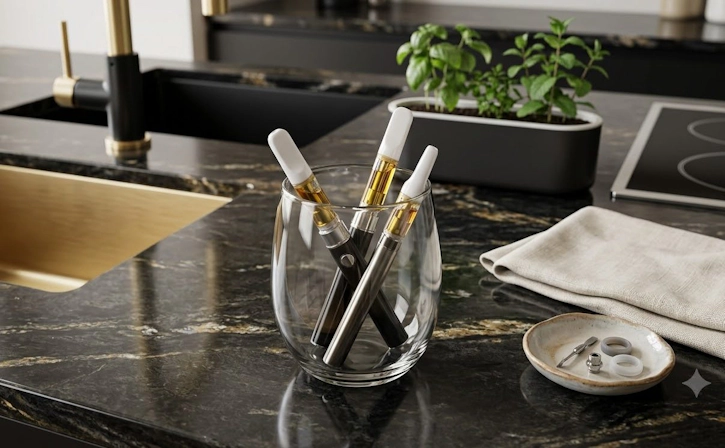
A 510 thread battery is the reusable base that screws onto a standard oil cartridge. The name comes from the thread specification itself—5mm diameter with 10 threads per millimeter—a near-universal screw connection that fits almost any cart on the shelf. You charge the battery, twist on a cart, and go. When the cart’s empty, you swap it and keep the battery.
Here’s the part nobody tells you when you’re stuck in the disposable aisle. If you love the oil in your disposable, there’s a strong chance that exact oil also comes in cartridge form. Buy the cart, run it on a 510 battery, and you get the same hit without the throwaway shell. That’s the whole disposable vs 510 case in one sentence.
A Year on One 510 Battery: Durability and Cost

herb
One full year. That’s how long I’ve run the same device, and it’s still going strong. A year is longer than I’ve kept most of my bongs, pipes, dab rigs, and pretty much any gear I’ve ever owned to catch a buzz. Disposables never came close.
Think about the disposable cycle for a second. You buy it, you drain it (or it clogs), and you toss it. A solid 510 vape battery flips that entirely. The Yocan ran me around $40. Now I just buy carts, which usually cost less than a full disposable holding the same oil. After a year, the savings add up.
That’s the quiet thing about 510 batteries. The upfront cost feels bigger, but it’s the last vape hardware you buy for a long while.
Precise Hits
The real upgrade is control. A disposable gives you one setting: whatever the factory picked. A 510 threaded battery hands you the dial.
Start with the clog problem that ruined my trip. My Yocan has a preheat setting that gently warms the cart and clears any clog before it starts. The exact thing my disposable couldn’t do, built right in.
Then there’s voltage. This is personal preference, not a rulebook, but here’s how I run my Yocan 510 battery:
- 1.8v to 2.6v for more flavor, fuller terpenes, and a smooth pull
- 2.7v to 4.2v for bigger, cloudier hits that pack a punch
For the record, 4.2v is a bit ridiculous. My happy place is 3.0v, because I like a little punch with my hits. And personalization is part of the fun. Mine’s green, my favorite color, so it matches my room, my accessories, my phone case. It feels like a piece of my routine, not a piece of plastic I’m about to lose.
The Waste a Disposable Leaves Behind
A 510 setup is the lower-waste choice, hands down. Every disposable hides a lithium battery that you throw out the second the oil runs dry. Multiply that by every disposable you’ve ever finished, then by everyone you know. That’s a lot of lithium sitting in a landfill that was never meant to be there.
A cart and battery system reuses the expensive, resource-heavy part. The battery stays. Only the cart cycles out. And those don’t have to hit the trash either. I bring my empty carts back to the dispensary when I restock. Many shops keep in-store collection boxes for this exact kind of e-waste. It takes ten seconds and keeps the worst stuff out of the bin. Now, I’m not here to lecture anyone. But compared to disposables and their throwaway batteries, it’s an easy win.
When a Disposable Still Makes Sense

Herb
I’ll be fair: disposables aren’t useless. They win on pure grab-and-go simplicity. Nothing to charge, nothing to screw together, nothing to adjust. For a quick weekend trip where I don’t want to think about gear, I get the appeal. That’s literally why I had one at the cottage.
But that’s about where it ends. When I actually weigh disposable vs 510 for everyday vaping, the 510 wins on control, cost, and waste. It isn’t even close. The convenience of a disposable lasts until the first clog. The convenience of a good 510 setup lasts for years.

Photo by S.Price / Adobe Stock Photo
Frequently Asked Questions
What is a 510 thread battery?
A 510 thread battery is a rechargeable base that screws onto a standard oil cartridge using the 510 threading. It’s the industry-standard connection found on most carts. You reuse 510-thread batteries and swap cartridges as they empty, instead of tossing the whole device like a disposable.
Is a 510 battery better than a disposable?
For most everyday users, yes. A 510 battery lasts far longer, costs less over time, gives you voltage control, and creates a lot less waste. A disposable still wins on no-fuss convenience for short trips, so the honest answer depends on how often you vape.
How long does a 510 battery last?
Two ways to read that. On a single charge, many 510 batteries get you through a day or two of regular use. As a device, a good one lasts for years. Mine’s been running strong for a full year and counting.
What voltage should I vape my cartridge at?
Lower voltages (roughly 1.8v to 2.6v) bring out flavor and terps with a smoother pull. Higher voltages (2.7v and up) give bigger, warmer clouds. A lot of carts sit happily around 2.5v to 3.2v. Start low, work up, and always check what your specific cartridge recommends.
Can you recycle disposable vapes and old cartridges?
You shouldn’t toss them in regular trash, since the lithium batteries inside disposables are a real hazard in landfills. Many dispensaries and vape shops offer take-back or e-waste collection boxes for old carts and devices. Most cities also have e-waste drop-off programs. Check locally before you trash anything.
Herb Recommended Products:
READ MORE