This article contains sponsored content. Some of the products featured are part of paid partnerships. This page explains how our process works.

PHOTO COURTESY OF BUDBUD SUPPLY CO.
You’re Probably Storing Joints Wrong — How to Store Joints Safely So They Stay Fresh and Smoke-Ready
Crushed cones, dried-out pre-rolls, and roaches contaminating your fresh joints. Here's how to fix all of it.

Knowing how to store joints properly is the difference between a smooth, flavorful session and smoking something that tastes like it’s been sitting in your glovebox since last summer. Most people don’t think much about joint storage—they toss a pre-roll in a pocket, leave it in the tube it came in, or throw it in a bag and hope for the best. And then they wonder why it burns unevenly, tastes harsh, or falls apart when they try to light it.
The reality is that pre-rolls degrade faster than whole flower because the cannabis is already ground, which means more surface area exposed to air, light, and moisture changes. How to store joints correctly comes down to a few simple principles: airtight containers, smell control, structural protection, and keeping roaches separated from fresh rolls. This guide covers all of it: short-term storage, long-term storage, travel-specific tips, and the products that actually solve the problem.
Key Takeaways
- Most joint storage problems come from air exposure, heat, humidity, and physical damage (all of which are preventable)
- Short-term storage (under a week) still requires an airtight seal; even a few hours of air exposure can dry out a pre-roll
- Long-term storage (over a week) calls for glass jars, humidity packs (58–62% RH), and a cool, dark location
- Traveling with joints requires solid, structured storage to prevent bending and cracking
- Half-smoked joints and roaches should always be stored separately from fresh pre-rolls to prevent flavor contamination
- The BudBud Supply Co. Joint Flask ($24) holds 3 joints, a roach (in a separated compartment), a lighter, and a built-in Joint Wand in one pocket-sized, smell-resistant case
Why Your Joints Don't Stay Fresh (Most People Get This Wrong)
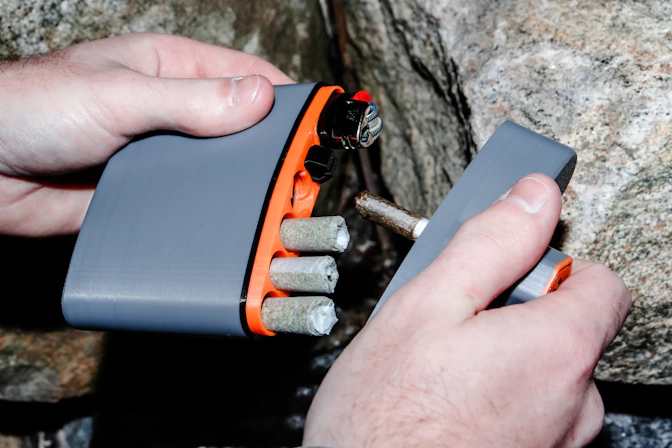
PHOTO COURTESY OF BUDBUD SUPPLY CO.
Before we get into how to store joints the right way, here’s why yours probably aren’t staying fresh:
- Leaving joints exposed to air. Oxygen degrades cannabinoids and dries out terpenes. Every minute your joint sits open, it’s losing flavor and potency.
- Using plastic bags. The classic Ziploc might feel convenient, but plastic doesn’t seal well enough to prevent air exchange, offers zero structural protection, and can actually leach chemicals into your flower over time. It’s also not smell-proof.
- Storing in hot or humid environments. Heat accelerates terpene evaporation. Humidity invites mold. Your car’s center console, a sunny windowsill, or a steamy bathroom are all terrible storage spots.
- Direct sunlight exposure. UV light breaks down THC into CBN, which means your pre-roll gets weaker and produces more sleep-inducing effects the longer it sits in the sun. Even indirect light over time has an effect.
- Keeping joints in original dispensary tubes. Those plastic tubes are designed for point-of-sale packaging, not storage. They’re not airtight, they don’t control humidity, and they offer minimal protection against crushing.
Each of these mistakes leads to the same outcomes: harsh smoke, uneven burns (canoeing), muted flavor, and a pre-roll that doesn’t hit the way it should. Understanding how to store joints starts with understanding what you’re protecting against.
How to Store Joints Properly for Maximum Freshness and Smokability
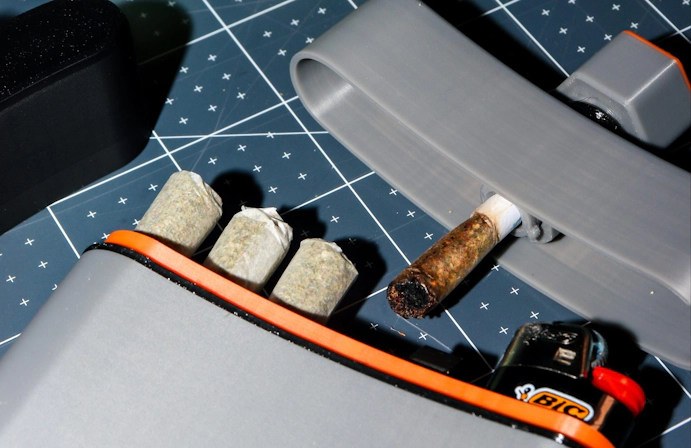
PHOTO COURTESY OF BUDBUD SUPPLY CO.
The core principles of how to store joints apply whether you’re keeping them for a few hours or a few weeks: minimize air exposure, control humidity, protect against physical damage, and keep roaches away from fresh rolls. The specifics change depending on your timeline and situation. Here’s how to properly store prerolled joints across every scenario.
Short-Term Pre-Roll Storage (Less Than 1 Week)
For preroll storage under a week, you don’t need a complex setup—but you do need to take it seriously. Most freshness loss happens from air exposure, not time. Even a few hours with a joint sitting open on your desk can dry it out enough to affect the smoke.
What to do:
- Use a small, sealed container (not the tube it came in)
- Keep the container in a cool, dark spot (a drawer works fine)
- If smell control matters (carrying joints at home or casually), prioritize a container with rubber seals or gaskets
What to avoid:
- Leaving joints loose in pockets, bags, or on counters
- Relying on dispensary tubes for anything longer than the walk home
For short-term preroll storage, the BudBud Supply Co. Joint Flask is a strong option. It holds 3 joints in individual slots (so they don’t knock into each other), keeps a standard Bic lighter locked in with grip fins, and has a separate roach compartment so your half-smoked joint doesn’t contaminate your fresh ones.
Rubber seals help prevent smells from leaking out when storing joints, and the twist-lock cap keeps everything secure. $24, made in the USA with plant-based compostable plastic, and available in Alpine, High Altitude, Blackout, and Biscayne colors. If you’re wondering how to store a half-smoked joint without ruining the rest of your stash, the separated roach slot is the answer.

Long-Term Pre-Roll Storage (1 Week or More)
For preroll storage beyond a week, the setup matters more because degradation compounds over time. Pre-rolls degrade faster than whole flower—the cannabis is already ground, which means more surface area exposed to the elements.
What to do:
- Use an airtight glass jar with as little empty air space as possible
- Add a humidity pack (58–62% RH range) to maintain ideal moisture levels
- Store in a cool, dark area away from heat sources and sunlight
- Avoid opening the container frequently. Every time you open it, you’re exchanging air
What to watch for:
- Too dry = harsh smoke and a fast, uneven burn
- Too humid = risk of mold (don’t overdo the humidity packs)
- Pre-rolls stored for more than 2–3 weeks without humidity control will almost certainly lose noticeable flavor and potency
This is how to store pre-roll joints for the long haul. If you’re buying in bulk or rolling ahead for a trip, this level of care is the difference between smoking something great and smoking something that tastes like cardboard.
Storing Joints While Traveling
Travel is where most joints meet their end. Movement is the biggest risk—bending, cracking, loosening, and structural damage from bouncing around in bags or pockets. Knowing how to store joints while traveling comes down to rigid, structured storage that keeps each joint in place.
What to do:
- Use a solid case with individual slots for each joint (not an open container where they roll around)
- Include a humidity pack if traveling for more than a day
- Keep the case in a dark, temperature-stable part of your bag (not an outside pocket exposed to sun)
- Prioritize smell-proofing; odor control matters more while traveling than at home
What to avoid:
- Tossing joints loose in bags, pockets, or backpacks
- Storing near heat sources (car dashboards, direct sunlight through windows)
- Using flimsy containers that don’t protect against crushing
The Joint Flask from BudBud shines here. The flask shape, twist-lock cap, and individual slots keep joints protected during movement, and the rubber seals help when you’re wondering how to store joints without smell.
For rolling or packing joints on the go, pair it with the Happy Packing Tin ($14). It’s a compact kit that includes a BudBud multitool, a smell-proof ground herb canister, and a torch lighter, all organized inside a slim, discreet tin.
Joint Flask for storage, Happy Packing Tin for prep. Together, they cover the full experience. Even if you’re wondering how to store a blunt while traveling, this tin helps. The same principles apply: rigid structure, an airtight seal, and protection from movement.

Signs Your Stored Joints Are Past Their Prime

Herb
Even with proper storage, joints don’t last forever. Here’s how to tell when your preroll storage has failed, or a joint has simply aged out:
- Dry, crumbly texture. If the paper feels brittle and the flower inside crumbles when you squeeze gently, it’s too dry. This leads to harsh smoke and a fast, uneven burn.
- Wrinkled or discolored paper. Visible wrinkling, yellowing, or spotting on the rolling paper indicates moisture damage or age-related degradation.
- Muted or off smell. Fresh joints smell like the strain they’re rolled with. If you crack the container and get nothing—or something musty—the terpenes have degraded.
- Visible mold. Any white, fuzzy, or green growth on the paper or visible through the tip means the joint was stored too humid. Don’t smoke it.
- Loose or misshapen structure. If the joint feels soft, floppy, or the tip has collapsed, it wasn’t protected from movement or compression. How to store a half-smoked blunt or joint without this happening: always use a structured container with a dedicated slot. This is the same answer for how to store prerolls of any kind—structure matters.
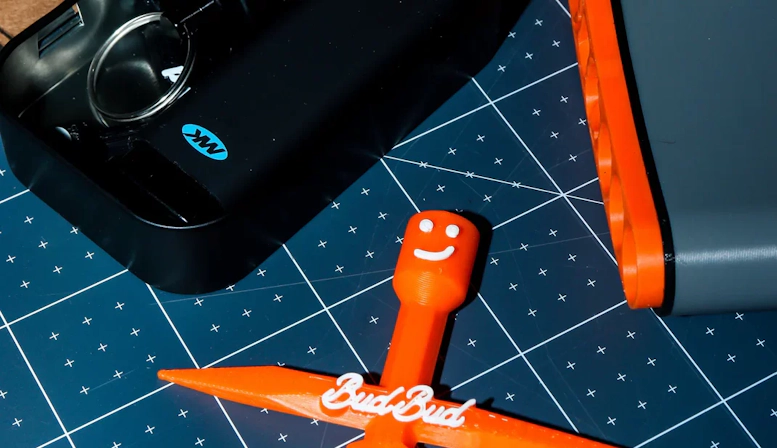
PHOTO COURTESY OF BUDBUD SUPPLY CO.
Frequently Asked Questions
How long do pre-rolls stay fresh?
In proper airtight storage with humidity control, pre-rolls can stay fresh for 2–4 weeks. Without proper storage, noticeable degradation can happen in as little as a few days. Pre-rolls lose freshness faster than whole flower because the ground cannabis has more surface area exposed to air.
How do you store joints so they don't dry out?
Keep them in an airtight container, ideally with rubber seals, in a cool, dark place. For storage beyond a week, add a humidity pack in the 58–62% RH range. The key to how to store joints that stay smokeable is minimizing air exposure from the moment you’re done rolling or buying.
How can you store a half-smoked joint or roach without smell?
Use a container with a separate roach compartment so the burnt joint doesn’t contaminate your fresh ones. The BudBud Joint Flask has a dedicated roach slot built into the cap, sealed with rubber gaskets. This is the best approach for how to store a half smoked joint without the smell transferring to everything else in your pocket or bag.
What's the best way to preserve a rolled joint or blunt?
Airtight storage, away from heat and light, with humidity control for anything longer than a few days. The same principles apply whether you’re figuring out how to store a blunt or a standard joint: minimize air, protect the structure, and keep the environment stable.
How does the Joint Flask keep pre-rolls fresh?
The Joint Flask uses rubber seals throughout the body and a twist-lock cap to minimize air exchange. Individual slots keep joints from shifting and cracking, and the flask shape provides rigid structural protection. It’s not a substitute for a humidity-controlled jar for long-term storage, but for daily carry and short-term preroll storage, it’s one of the best options available on the market.
Will the roach compartment in the Joint Flask ruin the taste of my other pre-rolls?
No. The roach slot is built into the cap and physically separated from the main joint compartment. The rubber seals prevent cross-contamination of smell and flavor between the roach and your fresh joints.
The Bottom Line
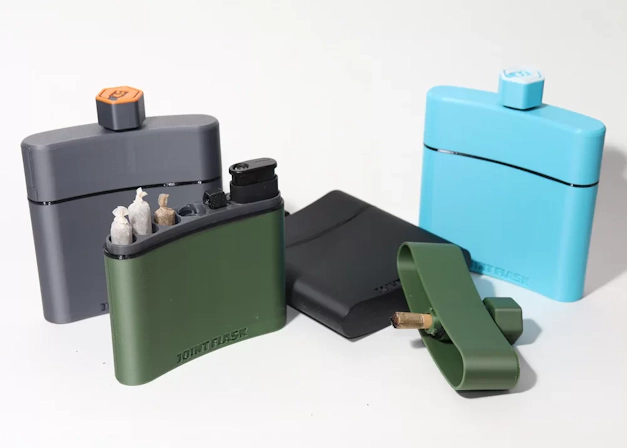
PHOTO COURTESY OF BUDBUD SUPPLY CO.
Knowing how to store joints isn’t complicated. It just requires more intention than most people give it. Airtight containers, humidity control for anything long-term, rigid protection for travel, and always separating your roaches from your fresh rolls.
The BudBud Joint Flask handles daily carry and short-term storage better than anything else we’ve found, and pairing it with proper long-term practices means your pre-rolls taste the way they should every time you light up. Stop tossing joints in your pocket and hoping for the best. Your smoke deserves better.
The Herb Community

PHOTO COURTESY OF BUDBUD SUPPLY CO.
For more than a decade, Herb has been a gathering place for people who love, use, and are simply curious about cannabis. What started as a small corner of the internet has grown into a community where millions come to learn, share, and stay connected to cannabis culture.
Here’s what you can tap into at Herb:
- Learning hub and guides that break things down clearly, from growing weed outdoors to understanding how terpenes impact your high
- News hub that spotlights the latest cannabis culture and policy shifts
- Dispensary directory to help you find licensed shops in your local area
- Monthly strain picks, featuring rotating Indica, Sativa, and Hybrid favorites
- Deals page, updated monthly with the best cannabis discounts available online
Stay connected with the Herb community by subscribing to our newsletter, following us on Instagram, and X for the latest in cannabis lifestyle and culture.
Herb Recommended Products:
READ MORE