From Barn to Bong: How the Amish Are Quietly Entering the Weed Market
What looks like a contradiction is actually tied to hemp laws, changing farm economics, and a much blurrier line between tradition and THC.
Rachel Abela
January 23, 2026
This article contains sponsored content. Some of the products featured are part of paid partnerships. This page explains how our process works.

bryanbanducci
What looks like a contradiction is actually tied to hemp laws, changing farm economics, and a much blurrier line between tradition and THC.
January 23, 2026
Amish weed is showing up at cannabis festivals, and the internet has opinions. Viral posts of Amish vendors selling pre-rolls and flower jars have been circulating on Reddit, and the reactions are… mixed, to put it gently.
Here’s the contradiction that’s got people talking: the Amish are known for conservative religious values. Their communities traditionally prohibit alcohol, tobacco, and anything that causes intoxication. So what are they doing at weed festivals?
The reality is way more complicated than the memes make it seem. Amish weed exists because of the 2018 Farm Bill, shifting agricultural economics, and a religious distinction between hemp and THC-containing cannabis. But the backlash goes much deeper. We’re talking long-standing controversies surrounding Amish communities that shape how people view anything with their name attached.
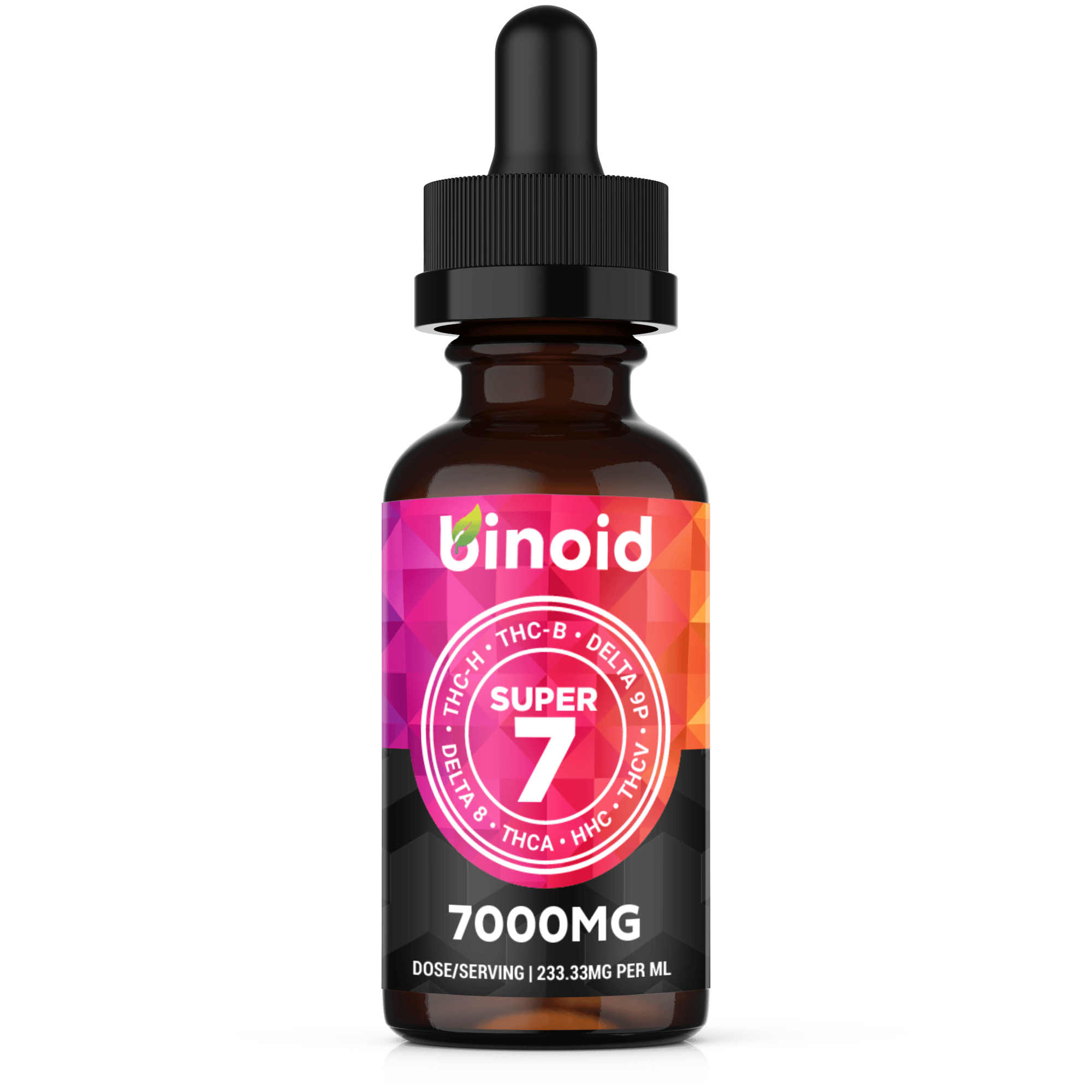
As hemp innovation continues to evolve, Binoid’s Super 7 Tincture showcases just how far hemp-derived cannabinoids have come.
This potent 7,000mg formula blends THCA, THC-H, THC-B, HHC, Delta-8, Delta-9P, and THCV with MCT oil to create a full-spectrum cannabinoid experience in a convenient sublingual tincture. Designed for experienced consumers, just ¼ to ½ dropper is recommended per serving. Available only where hemp-derived cannabinoid products are legal.
Herb readers get 25% off with code HERB25 at Binoid.

bryanbanducci
The negative reaction online to Amish weed isn’t just about quality. It’s actually tied to deeper frustrations with Amish communities that have been building for years.
First, the heavy stuff. NPR’s investigation into child abuse in Amish communities found 52 cases of different types of abuse, showing how closed communities might enable harm. Stories from former members describe strict rules, suppressing your individuality, and heavy fear-mongering about the outside world.
One man told Newsweek about the culture shock after leaving. He wasn’t allowed to watch TV, play golf, or drive a car. Misty Griffin, a former Amish member, told Vice that the community taught her the outside world “was dangerous; that everyone was looking to kidnap you, take advantage of you and use you for their own personal gain.”
That history definitely doesn’t define every Amish person within the community, but it does shape how the internet reacts when Amish-branded cannabis shows up at weed festivals. On subreddits like r/trees and r/interesting, users have been quite vocal about their skepticism regarding the Amish selling weed.
The main accusations: that Amish weed isn’t actually grown by the Amish. Many believe that most vendors are buying products online or from gas stations and reselling them at a markup. That Delta-8 products being sold literally cannot be “homegrown” since Delta-8 is lab-produced, not cultivated.
One Reddit user put it bluntly: “They definitely bought all this shit at a gas station and threw it in a glass jar.” Another noted: “D8 prerolls cannot be grown. They are probably buying from somewhere else and reselling.”
Some people pushed back and defended Amish farmers: “I’m here to say I have a few Amish friends, I find them to be good friends, and I enjoy spending time with them. They’re hardworking people and are religious people. I have nothing but respect for them.”
The reality of Amish weed is somewhere in between. Some operations are legitimate large-scale farms, while others may be exactly the cash-grab schemes people think.

praswin prakasha
Amish cannabis farming spiked after the 2018 Farm Bill legalized industrial hemp. For traditional farming communities watching tobacco and dairy industries decline, hemp looked like a lifeline.
The framing mattered. Hemp wasn’t pitched as recreational weed. It was positioned as industrial, medicinal, and agricultural. That distinction allowed Amish farmers to square their work with their religious ethics. Amish norms still view intoxication as sinful, governed by the Ordnung (their church rules). But hemp? It’s seen as medicine and an industrial crop, not a path to getting high.
The scale of the Amish growing weed surprised a lot of people. In Lancaster County, Pennsylvania, a network of Amish cannabis farmers operates under Lancaster County Cannabis, founded by a farmer named Riehl. The Daily Mail peeked into the operation, reporting they sold 50,000 pounds of cannabis in 2023 alone, supplying tens of thousands of pounds of hemp flower into the CBD market nationwide.
That’s not a side hustle. That’s a serious agricultural operation with Amish cannabis farmers producing at a commercial scale.
The religious line gets drawn at THC. “Old Order” Amish communities that follow older rules may allow some use of substances, but “New Order” communities ban alcohol, cannabis, and tobacco entirely. Hemp stays acceptable because it’s not about getting intoxicated—it’s about preserving the family farm and generating income from a legal agricultural product.
Amish weed strains tend to take classic genetics and add an Amish cultivation twist. These are people with deep roots in farming, after all. A video by The Nile Life documented some of the strains harvested by Amish farmers.
Examples include Sour Amish Diesel (inspired by Sour Diesel), Amish OG Kush (a take on OG Kush), Lancaster Lights (riffing on Northern Lights), and Black Buggy Kush, named after the recognizable black buggies used by the Amish community.
Whether these names reflect genuine cultivation differences or are simply marketing gimmicks depends on who you ask. But honestly, it’s probably the latter. Amish weed strains being sold at festivals and online do seem to follow a pattern of rebranding familiar genetics with community-themed names.
bryanbanducci
Generally, no. Traditional Amish religious rules prohibit intoxication, and THC-containing cannabis falls under that ban. However, some Amish may use CBD products for medicinal purposes since they don’t cause a high.
It depends on the community and the product. Hemp and CBD are slowly becoming accepted as medicinal and agricultural products. THC-containing cannabis that causes intoxication is still considered sinful under Amish church rules (the Ordnung).
Yes. Amish cannabis farmers entered the legal hemp market after the 2018 Farm Bill. Some operations are massive—Lancaster County Cannabis reportedly sold 50,000 pounds of hemp in 2023. However, critics claim some Amish weed vendors buy products wholesale and resell rather than growing their own.
There isn’t a widely documented Amish word for weed specifically. The Amish speak Pennsylvania Dutch (a German dialect), and they’d likely use German-derived terms or simply refer to hemp by its agricultural or medicinal function rather than recreational slang.
Not traditional dispensaries, but Amish cannabis farmers sell at festivals, farmers markets, and through distribution networks that supply CBD markets. The format is more agricultural vendor than retail dispensary.
Amish weed strains include varieties like Sour Amish Diesel, Amish OG Kush, Lancaster Lights, and Black Buggy Kush. These typically take classic strain genetics and rebrand them with Amish-themed names.
Reasons vary: some question whether Amish weed is actually grown by Amish farmers or just resold products. Others have moral objections based on documented controversies within Amish communities. Some simply don’t trust the quality or authenticity of what’s being sold.
The Ordnung governs daily Amish life, including substance use. Hemp farming is generally permitted because it’s framed as agricultural and medicinal rather than recreational. THC-containing cannabis remains off-limits in most communities because it causes intoxication, which is considered sinful.

clark young
Amish weed is real, and it’s not going away. Whether you see it as hardworking farmers adapting to a changing agricultural economy or a cash-grab scheme exploiting a trendy market probably depends on your existing views of Amish communities.
My take? Mixed. I want to give Amish weed the benefit of the doubt and support hardworking farmers, but I also want potency. Will I get that from Amish weed that’s mainly rich in CBD? No. And honestly, with the many disturbing cases and confessions from former Amish members like Misty Griffin, I don’t feel comfortable supporting communities that can enable such harm.
The legitimate operations exist: large-scale Amish growing weed for CBD markets. But so do the concerns about vendors reselling products they didn’t cultivate. Like most things in the cannabis space, it takes researching the brand, product, and any information that’s available to you.
If you’re considering Amish cannabis products, the usual advice applies: review the source, check for lab testing, and trust your instincts. The bonnet and buggy aesthetic doesn’t automatically mean quality. But it doesn’t automatically mean scam, either.
For more than a decade, Herb has been a gathering place for people who love, use, and are simply curious about cannabis. What started as a small corner of the internet has grown into a community where millions come to learn, share, and stay connected to the culture.
Here’s what you can tap into at Herb:
Stay connected with the Herb community by subscribing to our newsletter, following us on Instagram, and X for the latest in cannabis lifestyle and culture.