Will Cannabis Seeds Be Banned in 2026? The New U.S. Seed Law Explained
Cannabis seeds contain virtually zero THC. So why is a 2025 federal law about to ban most of them anyway? Here's what's actually going on.
Rachel Abela
October 08, 2026
This article contains sponsored content. Some of the products featured are part of paid partnerships. This page explains how our process works.

alibongocannabisseeds
Cannabis seeds contain virtually zero THC. So why is a 2025 federal law about to ban most of them anyway? Here's what's actually going on.
October 08, 2026
The question on every grower’s mind right now is simple: Will cannabis seeds be banned in November 2026? The short answer is yes. Under current federal law, most of them will be. The longer answer is more complicated, and it’s the one that truly matters if you grow, breed, or buy genetics.
Here’s the contradiction at the heart of this whole story: Cannabis seeds contain effectively no THC.
They never have. Until November 2025, that fact formed the entire legal foundation of the U.S. seed market. The 2018 Farm Bill defined hemp by its delta-9 THC content, and seeds with zero percent THC fit that definition cleanly. Seed banks shipped genetics across all 50 states for years on the strength of that argument.
That legal logic just got rewritten.
Section 781 of the federal funding bill that ended the 2025 government shutdown (signed November 12, 2025) changes how cannabis seeds are classified under federal law.
The cannabis seed ban kicks in on November 12, 2026. So our industry has a one-year runway to either prepare, lobby for changes, or shut down. Active legislation is challenging the law from multiple angles, but nothing has been finalized, and the clock is ticking.
This article breaks down what Section 781 says, who gets hit, what’s being done to stop it, and what you can do before the deadline.
Cannabis seed laws are about to look very different from how they have for the past seven years. Here’s what you need to know.

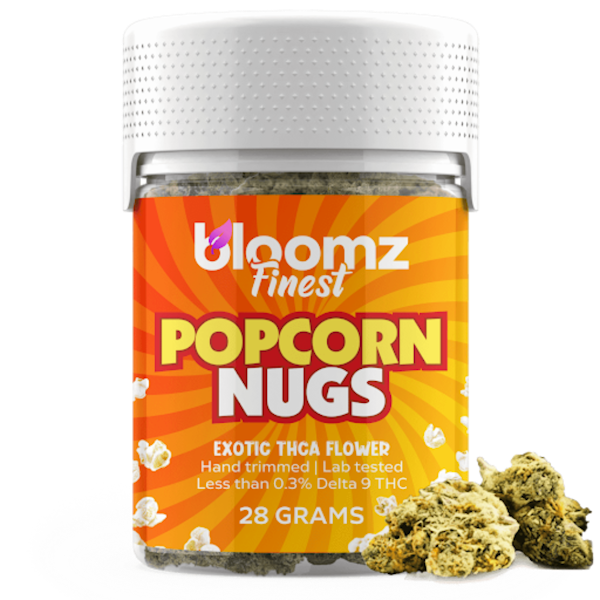
If shifting hemp laws have you wanting to stock up while it’s easy, Bloomz’s Exotic THCA Smalls are the value play. These are the same top-tier, exotic indoor flower as Bloomz’s full-size buds. Just in smaller nugs at a lower price, with no trim or shake, only pure, high-quality exotic flower.
Each batch packs very high THCA percentages, so you’re getting serious potency for the money, all legal under the current 2018 Farm Bill framework. The 28-gram size is built for stocking up, with strains like Tropicana Cherries, Black Ice, Jungle Juice, and Dante’s Inferno. For potency and value in bulk, it’s hard to beat.

iceheadshop

seedsherenow
To understand what’s changing, it helps to know what made the cannabis seed market work in the first place. The whole structure rested on a single legal definition.
The 2018 Farm Bill defined hemp as cannabis with less than 0.3% delta-9 THC by dry weight. Seeds, which contain virtually no THC at any stage, easily met that definition. As long as a seed wasn’t a finished psychoactive product, it qualified as legal hemp under federal law, regardless of what the eventual mature plant might produce.
In 2022, the DEA formally confirmed this interpretation in a published opinion: cannabis seeds and genetic material qualified as hemp, which meant they could ship freely across state lines.
Seed banks scaled their operations accordingly. National online seed banks shipped to all 50 states. Growers ordered genetics without thinking twice. Breeders distributed new strains nationwide. The legal footing was always a little awkward. Seeds from a 30% THC plant were technically hemp under federal law, but it worked. For seven years, the framework held.
Section 781 just pulled the rug out from under the whole framework.
Freepik / Herb
So what does Section 781 actually do? Three things, and all three matter.
1.It changes the classification logic.
Anyone asking, “Will cannabis seeds be banned at the federal level?” needs to start here. Seeds will no longer be classified by their own cannabinoid content. They’ll be classified by the total THC content of the parent plant they came from. A seed from a plant that produces 25% total THC inherits that classification, even though the seed itself contains zero THC. This is a fundamental rewrite of how cannabis seed laws work in the U.S. The question is no longer “What does this product contain?” The question is “What will this product become?”
2. It introduces the “total THC” standard.
The old 2018 Farm Bill measured only delta-9 THC. Section 781 combines delta-9 and THCA into a single “total THC” calculation. A plant testing at 0.2% delta-9 (fully compliant under the old rules) can easily reach 10–15% total THC under the new standard. That alone closes the THCA flower loophole that made the entire hemp cannabinoid market possible. For seeds, it means the bar to qualify as legal hemp just got dramatically higher.
3. It targets viable seeds specifically.
The law applies to seeds capable of germination. That’s a narrow definition, and it may create gray areas going forward (more on that below).
The cannabis seed ban USA timeline runs roughly like this. Signed November 12, 2025. One-year grace period through November 11, 2026, during which seeds remain legal under the existing 2018 Farm Bill. Enforcement begins November 12, 2026. At that point, seeds from any cultivar bred for THC potency are reclassified from hemp to a controlled substance under federal law.
One important boundary here. Section 781 rewrites the definition of hemp, which means it doesn’t touch state-licensed cannabis programs. Dispensary products in legal states operate under state law and sit entirely outside this fight.
New York shoppers can still re-up at their favorite dispensaries like Strain Stars. Jetpack’s Chernobyl 5-pack from this shop gives you five 0.5g pre-rolls of whole flower infused with live resin and high-THCA extract, then rolled in kief and crushed diamonds.
Strain Stars operates 3 New York locations with same-day Long Island delivery. Being state-licensed is exactly why they don’t ship out of state, and also why their menu isn’t affected by November’s deadline.
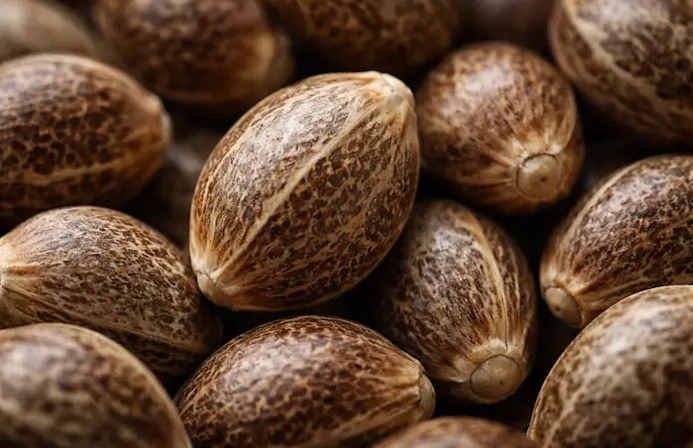
photo courtesy of Barney’s Farm
Will cannabis seeds be banned for everyone equally? No. Different parts of the industry get hit very differently.
Home growers have the most immediate impact. Interstate access disappears. Anyone wanting genetics is forced to source from in-state licensed nurseries or dispensaries. And even where those exist, variety drops sharply, and prices climb. Seed prices are already projected to rise 50–200% post-deadline, according to industry analysts.
Medical patients lose access to specific genetics that may matter for their condition. Strains bred over years for therapeutic outcomes become inaccessible if your local dispensary doesn’t carry them.
Seed banks and breeders face the largest commercial impact. National online operations either go intrastate-only, relocate, or shut down. The U.S. seed bank infrastructure that has scaled over the past seven years was built on interstate shipping. And interstate shipping ends.
The broader hemp industry takes massive collateral damage. The U.S. Hemp Roundtable has estimated that Section 781 affects approximately 95% of existing hemp-derived cannabinoid products. That’s more than 300,000 jobs and $1.5 billion in state tax revenue at risk. This isn’t just a seed problem.
Researchers lose genetic access at exactly the wrong moment. The White House issued a December 2025 executive order calling for expanded cannabis research. But Section 781 simultaneously restricts the genetic material that research depends on. The two policies are pulling in opposite directions at the federal level.
For consumers, licensed dispensaries may become the main way to experience specific genetics. Vertically integrated shops grow their own flower from named breeder cuts, so the genetics reach you as finished product instead of seeds. In Washington, DC, District Cannabis offers Gelato Cake, a Wedding Cake x Gelato 33 cross bred by Seed Junky Genetics. It tests at 23.71% THC, with grape, sweet kerosene, and cognac notes, for $35 an eighth. It’s not the same as growing your own, but it keeps well-known genetics within reach.
herb
Worth flagging clearly, because the headlines around the weed seed ban make this murky:

jonathan kemper
Three pieces of legislation are actively trying to undo, delay, or work around Section 781. Each has different odds, but together they make this less of a done deal than the headlines suggest.
H.R. 6209 — Full Repeal. Introduced by Rep. Nancy Mace (R-SC) with bipartisan co-sponsors, including Reps. Massie, Lofgren, and Baird: H.R. 6209 would restore the 2018 Farm Bill definition in full and effectively undo Section 781. This is the cleanest fix—it’s a straight repeal. But full repeals in the current Congress are uphill battles, and bipartisan co-sponsors don’t guarantee a path to floor votes.
Hemp Safety Enforcement Act (S.4315) — State Opt-Out. Introduced April 16, 2026 by Sens. Rand Paul (R-KY), Amy Klobuchar (D-MN), and Joni Ernst (R-IA), the Hemp Safety Enforcement Act takes a different angle. Instead of repealing Section 781, it would let states and Tribal governments opt out of the federal ban and self-regulate. They must still enforce a minimum purchase age and ban synthetic cannabinoids. The bill also preserves interstate commerce between opt-out states. The bipartisan sponsor list and Klobuchar’s seat as ranking member make this one pretty realistic.
2026 Farm Bill Reauthorization. Probably the most likely vehicle for a permanent fix. House Agriculture Committee Chairman Glenn Thompson (R-PA) filed an 802-page draft of the Farm, Food, and National Security Act of 2026 in February 2026. Since then, Sen. Paul has stated his hope that Klobuchar can attach the Hemp Safety Enforcement Act to the Farm Bill via her committee position. Farm Bill reauthorizations are massive bills with a lot of moving parts, which makes them slow but also creates real opportunities to slip in fixes.
The honest take? A full repeal of the cannabis seed ban before the deadline is unlikely. A state-level opt-out via the Hemp Safety Enforcement Act has a real chance, especially if attached to the Farm Bill. A permanent legislative fix is genuinely possible, but the timing is tight.
Seeds are just the start of the supply chain. What’s really at stake is everything grown from them, including high-THCA hemp products like the Fade Co. THCA Disposable. This 3g device is filled with THCA concentrate made from hemp grown in California, in strains like Northern Lights, Zkittlez, and Sour Diesel. It’s draw-activated and recharges over USB-C, so it keeps going until the last of the concentrate is gone. It’s exactly the kind of product whose future depends on which of these bills, if any, makes it through.
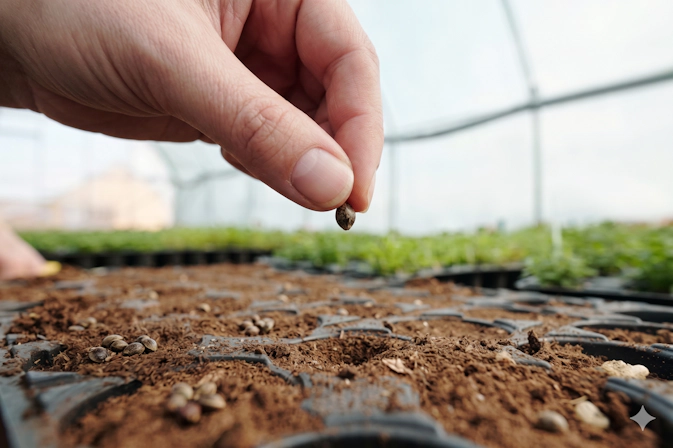
photo courtesy of Barney’s Farm
Here’s where the law leaves an interesting gap.
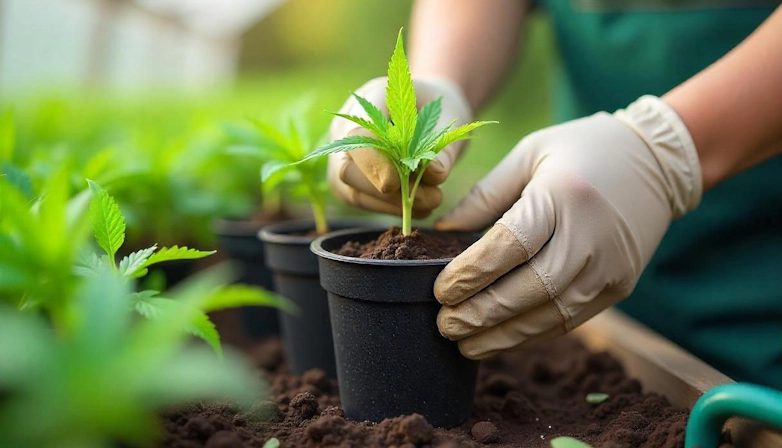
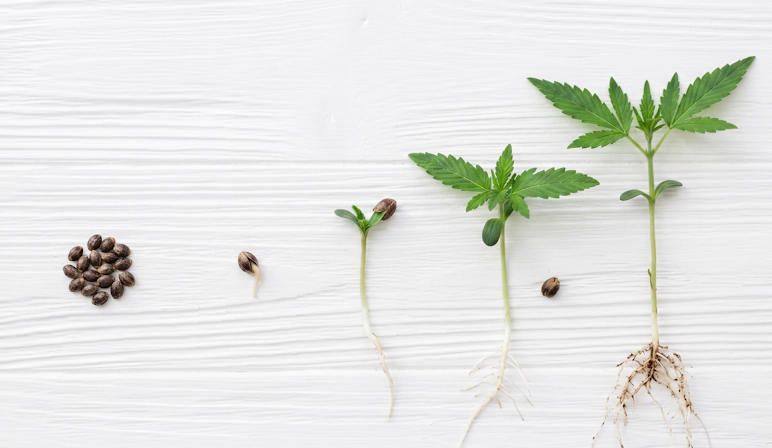
Section 781 specifically targets “viable seeds,” which are seeds capable of germination. The text appears silent on clones and tissue cultures, even when those vegetative cuttings test at or below 0.3% total THC. That distinction may matter a lot.
Clones and tissue cultures are vegetative propagation. They’re not seeds, they don’t germinate, and they’re not covered by the language Section 781 actually uses. Some legal observers have flagged this as a potential pathway for breeders to continue sharing genetics through cuttings rather than seed.
Worth being clear though: this is an unresolved legal gray area, not a confirmed workaround. The law could be amended to close it. Federal agencies could interpret the existing language more broadly. Anyone considering vegetative propagation as a long-term workaround should consult a cannabis attorney rather than acting on industry speculation.
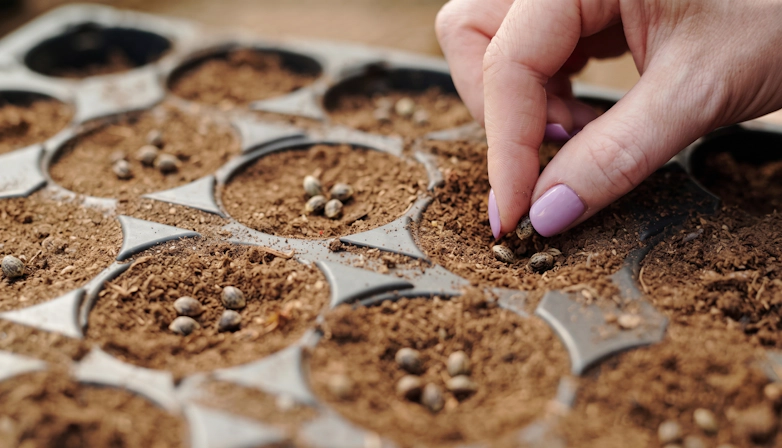
herb
Practical guidance, in order of usefulness.
Seeds are still legal right now. Through November 11, 2026, the existing 2018 Farm Bill interpretation holds. If you grow, breed, or want specific genetics, the next several months are still a fully open buying window. Properly stored cannabis seeds remain viable for 5+ years when kept cool, dark, and dry. So anything you buy now can wait until you’re ready to plant.
Source from credible vendors with verifiable lab testing. The closer the deadline gets, the more shaky operators will flood the market. Stick to seed banks with clear documentation, transparent genetics, and an established track record.
Watch the legislation, not the headlines. Will cannabis seeds be banned in their current form? That depends on what happens between now and November. The 2026 Farm Bill reauthorization is the most realistic vehicle for a permanent fix. The Hemp Safety Enforcement Act is the most realistic vehicle for partial relief. Both are worth tracking closely as they move through committee.
Consider learning to breed and save your own seeds. If you already have genetics you love, the best long-term hedge against any legislative outcome is independence from the commercial seed market. That’s a long-term project, but the next several months are the time to start.
The cannabis seed laws landscape is genuinely uncertain right now, and any guide more than a few weeks old may already be out of date. Following current developments matters more in this category than almost any other in cannabis right now.

christian joudrey
Yes, for now. Through November 11, 2026, cannabis seeds remain legal under the 2018 Farm Bill interpretation. Online seed banks will continue to ship across state lines. After November 12, 2026, when Section 781 takes effect, most cannabis seeds will be reclassified as controlled substances. Interstate shipping will then become federally illegal.
Yes, under current federal law. Section 781 of H.R. 5371, signed November 12, 2025, reclassifies viable seeds from cannabis plants exceeding 0.3% total THC as controlled substances effective November 12, 2026. Several pieces of legislation are trying to repeal, delay, or modify the law before that deadline.
The federal cannabis seed ban USA framework applies nationally, but state-legal cannabis programs are not directly affected. In states with legal recreational or medical cannabis markets, dispensary and licensed nursery seed sales continue under state law. The federal change primarily impacts interstate commerce and the national online seed bank market.
Yes. Through November 11, 2026, the existing federal framework remains in effect, and online seed banks continue to operate normally across all 50 states. The marijuana seed ban begins enforcement on November 12, 2026. Until then, the legal pathway for buying seeds online is unchanged.
No. The law applies to interstate commerce of viable seeds, not to existing personal inventory. Seeds you legally purchased before the deadline remain yours. The law does not retroactively criminalize possession of seeds bought before November 12, 2026.
Many will, at least in their current form. National online seed banks built around interstate shipping will need to either restructure, relocate, or shut down. International seed banks shipping into the U.S. already operated in legal gray space. Section 781 doesn’t change much for them, though enforcement priorities could shift. Smaller, state-licensed seed nurseries within legal cannabis states will likely continue operating under state law.
Bookmark Herb’s news hub for ongoing coverage. The legislative landscape is changing fast. Between H.R. 6209, the Hemp Safety Enforcement Act, and the 2026 Farm Bill reauthorization, there are multiple pathways that could change Section 781 before the November 2026 deadline.

verstappen
Will cannabis seeds be banned in 2026? Under current federal law, yes. Section 781 takes effect November 12, 2026, and reclassifies most cannabis seeds as controlled substances based on the THC content of their parent plants, not the seeds themselves. The cannabis seed ban is real, the deadline is set, and the impact across the industry will be significant.
But it’s not finalized. Three pieces of active legislation give this a real chance of looking different by enforcement day. The most realistic outcome is some form of partial relief through the Farm Bill rather than full repeal, but the legislative fight is genuinely in play.
For anyone who grows, breeds, or buys cannabis seeds: the next several months are the most consequential window in seven years. Seeds are still legal, vendors are still shipping, and properly stored genetics will keep for years. Whatever you want for your future grows, now is the time to source them. After November 12, 2026, the rules change.
For the latest on the cannabis seed ban and other major cannabis policy shifts, Herb’s news hub is where we’ll keep tracking it.

Home Stead and Chill
For more than a decade, Herb has been a gathering place for people who love, use, grow, and are simply curious about cannabis. What started as a small corner of the internet has grown into a community where millions come to learn, share, and stay connected to cannabis culture.
Between Section 781, federal rescheduling, and the 2026 Farm Bill reauthorization, cannabis is in a more legally volatile moment than it’s been in years. Staying informed isn’t optional this year.
Here’s what you can find on Herb.co:
Stay connected with the Herb community by subscribing to our newsletter and following us on Instagram and X for the latest in cannabis lifestyle, policy, and culture.