This article contains sponsored content. Some of the products featured are part of paid partnerships. This page explains how our process works.

sebastian pichler
The Farm Bill Loophole Is Closing: What It Means for Hemp-Derived THC
Federal hemp restrictions signed into law in late 2025 will effectively ban most intoxicating hemp products. The deadline just split in two. Here’s what changed, what it means for you, and what comes next.

The Farm Bill loophole that made hemp-derived THC products legal across America is officially closing. In November 2025, President Trump signed the Continuing Appropriations Act, 2026 (P.L. 119-37), which rewrites the federal definition of hemp and bans most intoxicating hemp products.
The change was scheduled to start November 12, 2026. Then it moved. The Senate voted in August to push most of it to December 11, the House followed on September 1, and President Trump signed the delay into law on September 2. Synthetic cannabinoids were deliberately left on the original date. Most coverage expects delta-8 to fall under that earlier deadline too, though its exact date may not be fully settled. It affects anyone who frequently purchases Delta-8 THC, THCA, or hemp-derived THC products, and there’s a lot of misinformation floating around at the same time.
This article breaks down what the new restrictions say, how they differ from the original bill, and what to expect over the next year.
Important: This article is for informational purposes only; not legal or medical advice. For adults 21+. Cannabinoid legality varies by state, and the federal hemp definition narrows in late 2026—verify your state’s laws and that the retailer ships to you before buying any cannabinoid products. Featured products are not FDA-evaluated and are not intended to diagnose, treat, cure, or prevent any disease.
Key Takeaways

herb
- The “Farm Bill loophole” was closed through the Continuing Appropriations Act, 2026, signed on November 12, 2025, not through a “new Farm Bill”
- New restrictions redefine hemp using total THC (including THCA, delta-8, delta-10, etc.) instead of just delta-9 THC
- Finished hemp products are capped at 0.4 milligrams of combined total THC per container; this would exclude about 95% of current products
- Synthetic and lab-converted cannabinoids like delta-8 THC are now explicitly excluded from the definition of hemp
- Enforcement was set for November 12, 2026, but a funding bill signed September 2, 2026, moved most restrictions to December 11, 2026
- Synthetic cannabinoids are carved out of that delay and still face November 12; most coverage expects delta-8 to lose hemp status on that date, but it won’t be fully settled until the FDA publishes its list of naturally occurring cannabinoids
- The White House reportedly told Senate Republicans there would be no further extensions, so December 11 is the date to plan around
- State-legal recreational and medical cannabis programs remain unaffected
October 2026 Update: The December 11 Delay Is Now Law

herb
The single most important development since this law passed is that its deadline is no longer one date, and that split is now official.
On August 8, 2026, the Senate passed a stopgap government funding bill containing a provision that pushes most hemp restrictions from November 12 to December 11, 2026. The delay was inserted at the White House’s request.
It didn’t pass quietly. Senator Ted Budd of North Carolina, joined by Senator Pete Ricketts and roughly a dozen bipartisan cosponsors, filed an amendment to strip the delay and keep the original timeline. In the early hours of August 8, the Senate voted 61–32 to table that amendment, on a motion from Senator Amy Klobuchar, who wrote the delay provision. The chamber then passed the underlying continuing resolution 90–6.
Interestingly, the delay doesn’t cover everything. Cannabinoids that can’t be naturally produced by the cannabis plant are carved out and still face the original November 12 date. Naturally derived products like THCA flower get the extra month. Where lab-converted products like delta-8 land is less clear (more on that below).
So there are now two deadlines rather than one:
- November 12, 2026: cannabinoids the plant doesn’t produce, such as THC-O. Most coverage also expects lab-converted cannabinoids like delta-8, delta-10, and HHC to fall on this date, though that’s not yet settled.
- December 11, 2026: naturally derived cannabinoids, including THCA and hemp-derived delta-9 THC, along with the 0.4mg total-THC-per-container cap on finished products.
After December 11, CBD, CBG, and other non-intoxicating hemp products stay legal only if they meet the 0.4mg cap.
The House passed the stopgap 370-48 on September 1, with a group of Republican hardliners objecting to the hemp delay but not stopping it. President Trump signed it into law on September 2 as H.R. 6500, the Continuing Appropriations and Extensions Act, 2027. December 11 is now official for naturally derived products.
It’s also the day the funding extension expires, which puts hemp and government funding back on the same table at the same moment. Budd has already flagged that as a chance to revisit the issue.
For the full legislative picture and what’s still in play, see our hemp ban news coverage, which tracks the timeline as it moves.
A Closing Loophole: How Federal Hemp Law Changes in 2026

remedy pics
The original Farm Bill loophole came from the Agriculture Improvement Act of 2018 (commonly called the 2018 Farm Bill). This defined hemp as cannabis containing less than 0.3% delta-9 THC by dry weight, and it allowed farmers to grow it for fiber, grain, and non-intoxicating CBD products.
The problem? The law only mentioned delta-9 THC. It said nothing about other cannabinoids like delta-8, delta-10, THCA, or HHC. Companies quickly realized they could extract CBD from legal hemp, convert it into intoxicating compounds, and sell these products nationwide.
This loophole in the Farm Bill created a massive, unregulated cannabis market. THC gummies, vapes, beverages, and THCA flower flooded gas stations, smoke shops, and online stores in states where recreational cannabis remained illegal. The loophole was so gaping that industry estimates put the market value at $28 billion annually.
Lawmakers, state attorneys general, and traditional cannabis operators pushed back. In October 2025, a bipartisan coalition of 39 state and territory attorneys general sent a letter to Congress urging them to close the Farm Bill loophole. They noted two concerns: unregulated products reaching minors and the lack of safety testing.
The new Farm Bill update that many expected didn’t come through as a standalone bill. Instead, Congress attached hemp restrictions to the must-pass government funding package needed to end the longest government shutdown in U.S. history. The Continuing Appropriations Act, 2026 (H.R. 5371), signed November 12, 2025, included Section 781, which rewrites the federal definition of hemp entirely.
Key Changes Under the New Federal Hemp Restrictions

Herb
Here’s exactly what to expect from the new law.
Redefines hemp using total THC, not just delta-9 THC. The 0.3% threshold now applies to total tetrahydrocannabinol concentration, including THCA, delta-8, delta-10, and all other THC isomers and analogs. This immediately reclassifies most THCA flower and similar products as marijuana under federal law.
Caps finished products at 0.4 mg total THC per container. This is the most devastating change for consumers. A typical hemp gummy has 2.5 to 10 mg of THC. However, the new federal limit is 0.4 mg per container, not per serving. Industry groups estimate this would remove 95% of available hemp products, including many full-spectrum CBD products.
Bans synthetic and converted cannabinoids. Any cannabinoid that isn’t naturally produced by the cannabis plant, or that was synthesized or manufactured outside the plant, does not fall under the definition of hemp. This targets compounds like THC-O, HHC, delta-10, and delta-8 THC, which are commonly made by chemically converting CBD. Delta-8 is a gray area, though, since the plant does produce it in trace amounts.
Blended products are where this gets tricky. Many vapes mix several cannabinoids, and each one can fall under a different part of the new law. The Black Sheep High Potency Cartridge is a good example. This 2g, 510-thread cart blends delta-8, THC-P, CBDA, and delta-9 with strain-specific terpenes, in options like Forbidden Fruit, Lemon Diesel, and Blue Cookies. THC-P is a converted cannabinoid, so it will likely land in the category facing the earlier November 12 date. The included delta-9 also counts toward the new total THC limit. If carts like this are part of your routine, now’s the time to read labels closely. Black Sheep says its cartridges are third-party lab-tested with no additives, fillers, or cutting agents.
Preserves industrial hemp. The law still protects “industrial hemp”—plants grown for fiber, grain, seed, or research. Non-cannabinoid uses of hemp remain legal.

Requires FDA action within 90 days. The FDA must publish lists of all naturally occurring cannabinoids, THC-class cannabinoids, and other compounds with similar effects to THC. It must also clarify the definition of “container.” That 90-day window closed in February 2026, and as of September 28, 2026, the Congressional Research Service noted the list still hadn’t been published. Several product categories remain unresolved as a result, including which deadline applies to delta-8.
What the new restrictions don’t mean:
- They don’t suddenly make THC illegal in states with recreational cannabis programs. Dispensary products in legal states will stay unaffected.
- They don’t ban all CBD. Low-THC CBD isolate and products meeting the 0.4 mg threshold could stay legal, though the U.S. Hemp Roundtable says over 90% of current CBD products exceed this limit.
- They don’t take effect immediately. Synthetic cannabinoids face November 12, 2026, and most coverage expects delta-8 to fall on that date. Most other products have until December 11, 2026, under the funding law signed September 2.
The Hemp Industry Braces for Impact

herb
The new restrictions create ripple effects across every part of the hemp supply chain.
Businesses built entirely around psychoactive cannabinoids face near-total collapse. Brands selling delta-8 vapes, THCA flower, and THC beverages now have weeks, not months, to either reformulate products, pivot to state-licensed cannabis markets (where possible), or shut down entirely.
Jobs across the industry are at risk. Industry estimates suggest around 300,000 American jobs are threatened in the $28 billion hemp economy, including those in manufacturing, extraction, retail, shipping, marketing, and more. In Texas, industry analysis projects up to 40,000 job losses and $7.5 billion in economic impact if intoxicating compounds are banned.
Consumers will see dramatically reduced availability and fewer product options. The products that were accessible, affordable, and legal across all 50 states will disappear from shelves by late 2026.
Retailers like gas stations, smoke shops, convenience stores, and online sellers will lose a core revenue stream. In Minnesota, more than 5,300 retailers hold licenses to sell hemp-derived edibles and beverages. Many built business models around these specific products.
State tax revenue takes a hit. Hemp-derived THC played a major role in states without legal cannabis programs, generating significant tax income. States could lose an estimated $1.5 billion in combined tax revenue.
Legal cannabis markets may see some consumers return. But the picture is complicated. Some cannabis operators supported closing the Farm Bill loophole to remove unregulated competition, while others worry about the federal crackdown on cannabinoid products.
Black market risk increases when legal channels close but demand remains. Critics back this up, warning that a sudden prohibition will revive illicit sales. Consumers who relied on the Farm Bill loophole to access THC products may seek underground sources when the legal market is gone.
Is Another Loophole Coming? Buyers and Retailers Look for Cracks
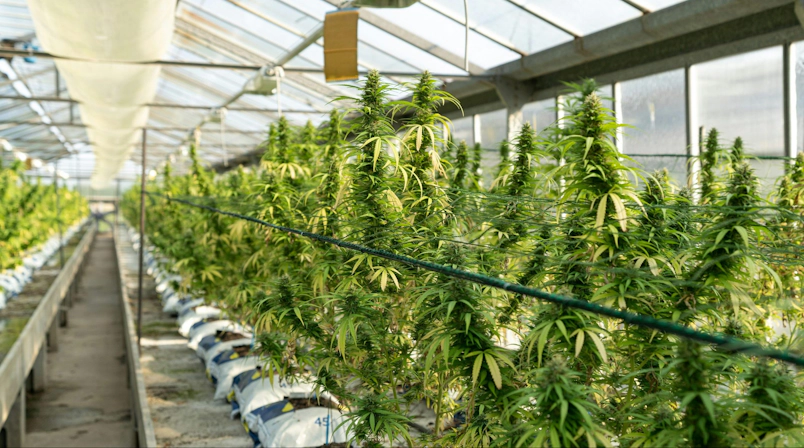
crystalweed
Whenever new restrictions pass, people immediately start looking for workarounds. Is there another Farm Bill loophole in the future?
The honest answer: probably not in any meaningful way. The lawmakers wrote the new law specifically to close the gaps that the 2018 version left open. A few theoretical cracks exist, but none are likely to sustain the market as it currently operates:
The “container” definition remains undefined. The FDA must clarify what counts as a container, as creative packaging could find a way around it. But this would be a short-term play at best—regulators would likely close any obvious workarounds quickly.
State-only intrastate markets might survive in a limited form. Some states could attempt to maintain intrastate-only markets that don’t involve interstate commerce. However, federal enforcement can still target manufacturers, distributors, and retailers operating within those states, making this a legally risky approach.
Legislative amendments are still possible, and one has already landed. The August 2026 stopgap moved most restrictions to December 11, which proves Congress will touch this when the politics demand it. Several bills to delay or modify the law further are still in play. If Congress acts again, some version of hemp-derived products could remain legal. But that’s a political question, not a Farm Bill loophole.
Low-dose products under 0.4 mg per container would technically comply with the new law. But at such low concentrations, they’d offer mild effects. Some brands may try to market “compliant” microdose products, but consumer interest in 0.4mg gummies will be limited.
For most buyers and retailers, the realistic expectation is that the hemp-derived THC market built on the Farm Bill loophole ends around the turn of 2026 unless Congress revises the law further. The August delay bought roughly a month to prepare for it.
What Happens Next for Hemp-Derived THC

Elsa Olofsson
The implementation window still matters, and it now runs on two tracks. Synthetics face November 12, 2026, likely including delta-8. Most other products have until December 11, 2026, under the funding law signed September 2. Which means:
Products remain legal for now. Hemp-derived THC products can still be manufactured, sold, and purchased up to their applicable end date.

That window matters for shoppers, too. Many of today’s most popular hemp products won’t fit the new federal limits once they take effect. Take the Helping Friendly Dispensary Grade Delta 9 THC + CBG Soft Chews. Each 8-count jar holds 160mg of hemp-derived delta-9 and 240mg of CBG, which is far above the new 0.4mg-per-container cap. Until the deadline, though, they’re still on shelves.
Helping Friendly says the formula is unchanged from the original bagged version, now in a resealable jar to prevent melting, with flavors like Key Lime Drop and Mixed Berry Bliss. Each chew can be taken whole or split in half, and every batch is third-party lab-tested.
Legislative challenges are already underway, and one has partly succeeded. In January 2026, bipartisan lawmakers introduced the Hemp Planting Predictability Act, which would delay the ban by two years, until November 2028. Similar bills followed in both chambers. None advanced with leadership backing, but the August 2026 stopgap delivered a one-month delay through the appropriations process instead. Since 2026 is a midterm election year, candidates in hemp-heavy states will keep facing pressure to support the industry, and December 11 is both the new hemp deadline and the next funding cliff.
The 2018 Farm Bill itself is up for reauthorization in 2026. Congress must pass a new farm bill (or another extension) by September 30, 2026. Hemp advocates can attempt to attach amendments that either revert it to the 2018 definition or create a less restrictive framework. This is likely the best realistic chance to preserve some version of the legal hemp market.
Full-spectrum CBD faces uncertainty. President Trump’s December 2025 executive order acknowledged that some full-spectrum CBD products will be reclassified as marijuana under the new THC limits. We will have to wait and see whether this leads to exemptions for non-intoxicating wellness products.
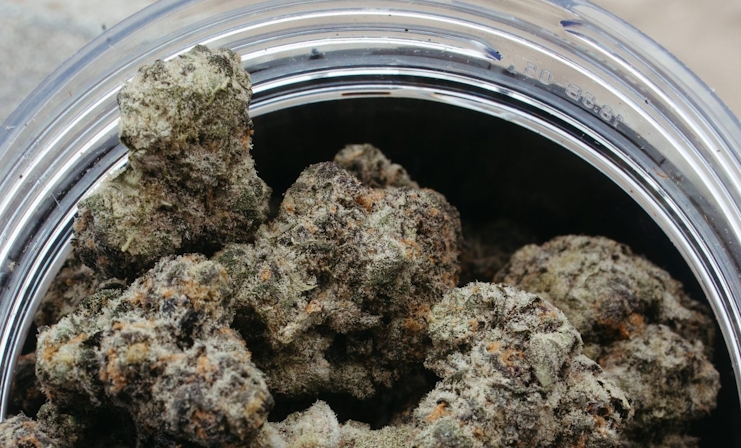
photo courtesy of after hours
Frequently Asked Questions
Is there officially a new Farm Bill in 2026?
Not yet. The restrictions that closed the Farm Bill loophole came through the Continuing Appropriations Act, 2026 (P.L. 119-37), a government funding package—not a new farm bill. The actual 2018 Farm Bill was extended through September 30, 2026, and a new farm bill update must pass by then. Hemp advocates hope to use that reauthorization process to adjust the restrictions before they take full effect.
Has the Farm Bill loophole been fully closed, or just narrowed?
Effectively fully closed. The new law addresses all the major pathways companies used to produce intoxicating products: the delta-9-only definition, synthetic cannabinoid conversions, and high-potency finished products. While some small ambiguities exist, there’s no meaningful new Farm Bill loophole that would allow the current market to continue operating as it has.
When do the new Farm Bill hemp rules take effect?
There are now two dates. Synthetic and converted cannabinoids face November 12, 2026, exactly one year after the law was signed. Most other products have until December 11, 2026, after a funding bill delaying the deadline was signed into law on September 2, 2026. Delta-8 is the exception to watch. Most coverage expects it to follow the November 12 date, but that won’t be fully settled until the FDA publishes its list of naturally occurring cannabinoids. Until their deadlines arrive, hemp-derived THC products remain legal to manufacture and sell under the 2018 framework.
What happens to Delta-8, Delta-10, and THCA products?
They’re all affected, but possibly not on the same day. Delta-8 and delta-10 sold in stores are typically made by converting CBD, and most coverage expects them to lose hemp status on November 12, 2026. Delta-8’s exact date is still unsettled, though, since it occurs naturally in trace amounts and the FDA hasn’t published its list of naturally occurring cannabinoids. THCA flower and high-THCA products exceed the new total THC limits once THCA is counted. But as naturally derived products, they have until December 11, 2026. Once their deadline hits, these products would fall outside the federal hemp definition and back under the CSA’s marijuana classification (Schedule I).
Can states still allow hemp-derived THC even if federal rules change?
Theoretically, states can maintain their own hemp frameworks, but federal law preempts state law for interstate commerce. Federal enforcement can still target businesses operating under state-only programs. Some states may attempt to carve out intrastate markets, but the legal risk is significant.
How does this affect other products like full-spectrum CBD tinctures?
Many full-spectrum CBD products contain trace amounts of THC that exceed the new 0.4mg per-container limit. The U.S. Hemp Roundtable estimates over 90% of current CBD products would be non-compliant. Some may be reformulated using CBD isolate or broad-spectrum extracts, but the full-spectrum market will shrink dramatically.
Will prices for hemp or cannabis products increase?
Likely yes for both. Hemp-derived products offered a low-cost alternative to dispensary cannabis, and eliminating that competition could allow licensed cannabis operators to maintain higher prices. Meanwhile, remaining compliant hemp products may cost more due to reformulation and reduced economies of scale.
How does this impact states without legal marijuana?
Significantly. Consumers in states without recreational or medical cannabis programs relied on the Farm Bill loophole for legal access to THC products. Once that Farm Bill loophole is officially closed and enforcement begins, residents in prohibition states will lose legal access entirely—potentially driving demand to black markets.
Is Congress likely to revise hemp laws again?
It already has, partially. The August 2026 stopgap pushed most restrictions back a month, which tells you Congress will move on this under pressure. Multiple bills to delay or modify further remain in play, and the 2026 Farm Bill reauthorization creates another opportunity. But a one-month delay through appropriations is very different from a repeal, and opponents including some in the legal cannabis industry will keep pushing back.
What should consumers watch for when buying hemp products now?
Current hemp products remain legal until their applicable deadline, which is November 12 for synthetics, likely including delta-8, and December 11 for everything else. Look for third-party lab testing, reputable brands, and clear labeling of cannabinoid content. Check your state’s rules too, since several states already restrict these products regardless of federal timing. And stay informed, because the dates have already moved once.
The Herb Community

herb
For more than a decade, Herb has been a gathering place for people who love, use, and are simply curious about cannabis. What started as a small corner of the internet has grown into a community where millions come to learn, share, and stay connected to the culture.
Here’s what you can tap into at Herb:
- Learning hub and guides that break things down clearly, from growing weed outdoors to understanding how terpenes impact your high
- News hub that spotlights the latest cannabis culture and policy shifts
- Dispensary directory to help you find licensed shops in your local area
- Monthly strain picks, featuring rotating Indica, Sativa, and Hybrid favorites
- Deals page, updated monthly with the best cannabis discounts available online
Stay connected with the Herb community by subscribing to our newsletter, following us on Instagram, and X for the latest in cannabis lifestyle and culture.
Herb Recommended Products:
READ MORE