For many people, yes. Cannabis is widely used as both a recreational and medical sleep aid, and research suggests there’s legitimate science behind why it works for some users.
THC, the primary psychoactive compound in cannabis, has repeatedly been shown to reduce “sleep latency,” which is the medical term for how long it takes you to fall asleep. It also increases adenosine, the brain chemical tied to feelings of sleepiness, while interacting with CB1 receptors involved in regulating the sleep-wake cycle.
That combination helps explain why certain indica-leaning strains can shift someone from “tired but wired” to “actually ready to sleep” within half an hour.
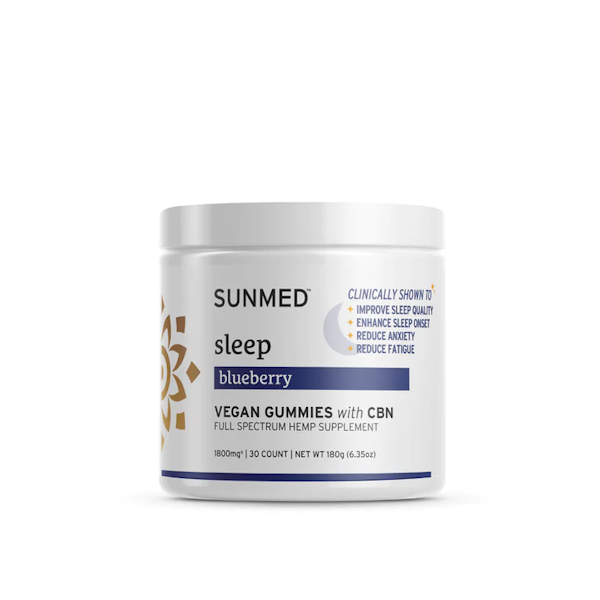
More recently, researchers have turned their attention toward CBN (cannabinol), a cannabinoid increasingly featured in nighttime gummies, tinctures, and vape formulas.
A 2024 animal study found that CBN improved non-REM sleep in rats at levels comparable to zolpidem (Ambien), one of the most commonly prescribed sleep medications. Unlike zolpidem, however, CBN also appeared to preserve, and even increase, REM sleep rather than suppress it.
CBD plays a more nuanced role. In smaller doses, it can feel mildly stimulating for some people. At higher doses, CBD may support sleep indirectly by easing anxiety, inflammation, or pain—three of the most common reasons people struggle to stay asleep in the first place. That’s partly why many cannabis products marketed for sleep now combine THC, CBD, and CBN instead of relying on THC alone.
Still, the relationship between cannabis and sleep is far from straightforward.
THC reduces REM sleep, the stage associated with dreaming, memory consolidation, and emotional processing. In some cases, that reduction can actually feel beneficial, particularly for people dealing with PTSD-related nightmares. But researchers are still studying what long-term nightly THC use may mean for overall sleep quality over time.