RS-11 Strain: Everything You Need to Know & Where to Buy
Candy up front, gas on the back, and a high people can't agree on. Here's the full RS-11 breakdown before you spend on it.
Rachel Abela
October 06, 2026
This article contains sponsored content. Some of the products featured are part of paid partnerships. This page explains how our process works.

herb
Candy up front, gas on the back, and a high people can't agree on. Here's the full RS-11 breakdown before you spend on it.
October 06, 2026
The RS-11 strain is an indica-leaning hybrid bred by Oakland’s Deo Farms and made famous by Wizard Trees and Doja. Its name is short for Rainbow Sherbert #11, and you’ll see it written as RS-11, RS11, or the full name. It’s most often listed as Pink Guava x OZK, though its roots trace back to a Pink Guava x Sunset Sherbert breeding project. The nose is pure candy gas: guava, citrus, and sherbet sweetness up front, with pepper and fuel underneath.
With THC commonly reported between 22% and 30%, this RS-11 weed strain is known for a happy, clear-headed lift that settles into body relaxation. That’s where opinions split. Some users call the RS-11 strain effects balanced and social. Others say it hits heavy and sedating. The cut and the grower seem to make all the difference.
It’s also one of the most widely grown exotics in the U.S. right now, sold as flower, rosin, carts, and disposables. Here’s what’s in the jar, and what’s worth knowing before you buy.
Important: This article is for informational purposes only; not legal or medical advice. For adults 21+. Cannabinoid legality varies by state, and the federal hemp definition narrows in late 2026—verify your state’s laws before buying any cannabinoid products. Featured products are not FDA-evaluated and are not intended to diagnose, treat, cure, or prevent any disease.

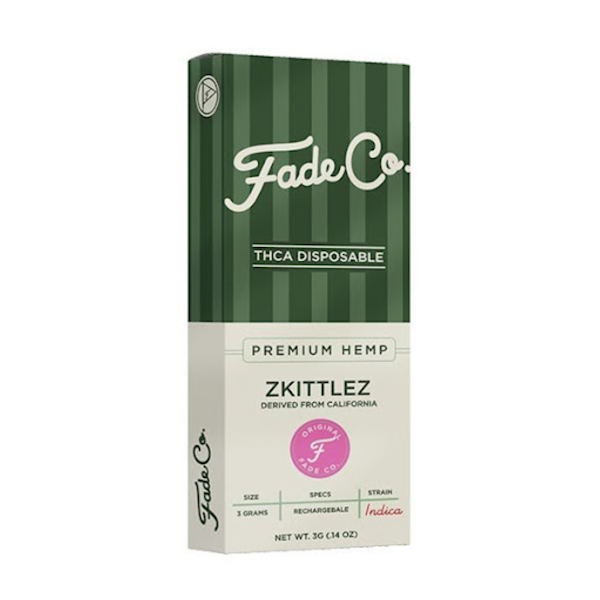
Can’t find good RS-11 flower near you? The Fade Co. THCA Disposable comes in an RS-11 option, packed with 3 grams of hemp-derived THCA concentrate from California. That’s more than most disposables carry, and a USB-C battery keeps it going to the last drop. At $29.99, it’s an easy way to try the profile without hunting down a craft jar.
If you want the RS-11 strain info in one place, here’s the cheat sheet:

herb
The RS-11 terpenes are limonene, beta-caryophyllene, and linalool.
Limonene: The bright citrus, lemon-lime, and tropical notes come from limonene. It’s commonly linked to mood elevation, which fits the happy lift many users describe.
Beta-caryophyllene: This one brings the peppery, gassy backbone. In RS-11, it’s the “gas” in candy gas.
Linalool: Also found in lavender, linalool adds a soft floral sweetness. It may help promote calm, which lines up with the relaxed back end of the high.
Some batches also test for myrcene, humulene, or pinene, adding earthy, woody, or piney notes. That’s why the RS-11 terpenes can read differently from jar to jar. One cut might lean hard into guava. Another might push citrus or gas. As the reviews below show, a weak cure can flatten the whole profile.

herb
The RS-11 strain effects start with a happy, clear-headed lift and finish with body relaxation. How heavy that finish gets depends a lot on the cut and the dose.
The primary effects of the RS-11 weed strain include:
Onset is commonly reported as fast, often within a couple of hits. The head high comes first. Many users describe a happy, uplifted feeling with some giggles and social energy.
Then the body side kicks in. Some describe a balanced, manageable calm that works for a social evening. Others say it builds into a heavy, relaxing body high that has them sinking into the couch (otherwise known as couchlock). Reviewers on Reddit leaned toward the second camp, calling it drowsy and sedating.
Duration commonly runs around 2 to 3 hours, with a slow, relaxed come-down.
Best use cases: Evenings, social hangs at home, movies, music, and winding down after a long day. Users often describe it as a good pick for unwinding and lifting the mood of a quiet night in.
Possible downsides: Dry mouth and dry eyes come standard. At this potency, low-tolerance users can feel overwhelmed or sleepy fast. Start low.
Who enjoys RS-11 most: Flavor chasers and experienced smokers who want a strong, candy-forward evening strain. As for the RS-11 strain indica or sativa question, it’s an indica-dominant hybrid, and most users feel that lean on the back end.

herb
So what do people say after smoking it? Here’s the high-level read:
The flavor is the big theme in any RS-11 strain review. When the cut and cure are right, people describe it as candy in a jar. When they’re not, the same name can taste like nothing at all.
In r/FLMedicalTrees, one reviewer gave a Trulieve-grown Connected batch 10/10, calling it the best candy flavor in the Florida medical market. They described sweet candy coating the palate, backed by light gas and fruity OZK notes. The buds were dense and sticky, the ash burned bone white, and the effects were drowsy and slowed-down. They called it an ideal evening smoke at $110 for a half ounce.
Over in r/PaMedicalMarijuana, a user rated a Doja cut 9/10 across looks, smell, effects, and taste. The aroma leaned heavily toward Pink Guava, with citrus coming through once ground. The smoke was smooth with a clean, peppery ash. Effects came on within a couple of hits and built into a heavy, relaxing body high. Interestingly, they noted lighter trichome coverage inside the buds and lower terpene numbers on paper, but said the flavor still delivered.
Not every RS-11 strain review is glowing. In another r/PaMedicalMarijuana thread about a Strane batch, several users said it had flat smell, flat flavor, and underwhelming effects. One called it closer to Gelato and said it gets you high but doesn’t taste great. Another pushed back, arguing that RS-11 is incredibly fruity and smooth when grown well, and that the problem was the supplier.
That’s the honest takeaway from every RS-11 strain review we read. This RS-11 weed strain is only as good as the cut and the grow. Look at the brand before you buy.
A quick note: the reviews referenced here come from unverified online users, and individual experiences vary. Treat them as a vibe check, not a guarantee.

photo courtesy of delta 8 resellers
The RS-11 strain price depends on your state, the brand, and whether you’re buying a hyped craft cut or a budget batch. Here’s the realistic range:
With the RS-11 weed strain, premium vs. budget comes down to the cut and the brand name. Big-name drops from brands like Doja or Wizard Trees land at the top of that range, and they can sell out fast. Budget versions run cheaper, but as the reviews show, they’re more likely to come up flat. For reference, one Florida reviewer paid $110 for a half ounce of smalls and called it a steal.
If you’d rather vape it, a hemp-derived RS-11 disposable can cost less per session. The Fade Co. THCA Disposable runs $29.99 for 3 grams.
For flower, start with a licensed dispensary in a legal state. RS-11 is widely grown across the U.S., so you’ll likely find a few options. Check the brand or grower on the label, since cuts vary a lot. Look for a recent package date and a COA that lists THC and terpene content.
Prefer a vape? The Fade Co. THCA Disposable comes in an RS-11 option. It’s filled with 3 grams of hemp-derived THCA concentrate sourced from California, which is more than most disposables hold. The all-in-one design means there’s no cart or battery to pair, and the USB-C port keeps it running until the concentrate is gone. It’s third-party lab-tested and costs $29.99.
One heads-up: Fade Co. labels its RS-11 option as a sativa, while the flower is usually described as an indica-leaning hybrid. On a vape, the strain name mainly describes the flavor profile, so the RS-11 strain effects may not match a jar of flower exactly.
Important: Laws vary by state. A narrower federal hemp definition takes effect in late 2026. Check current state and federal laws before buying.
herb
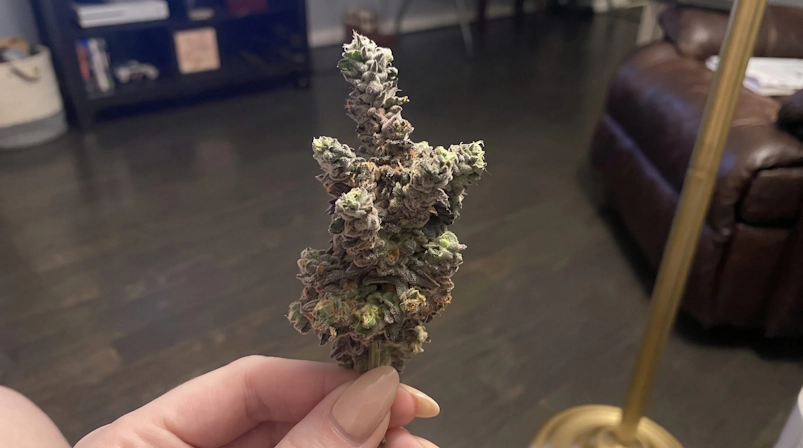
The RS-11 strain is a moderate grow, and it’s best suited to growers with a few runs behind them. Its RS-11 strain genetics lean on OZ Kush, which brings dense, resin-heavy buds and a loud candy-gas terpene profile. Here’s the RS-11 strain grow info worth knowing:
A note on RS-11 strain lineage before you buy seeds. Some banks list it as Pink Guava x OZK, while others trace it to Pink Guava x Sunset Sherbert. Check the listing so you know which version you’re growing.
Elsa Olofsson / Unsplash
Love the RS-11 strain but want to branch out? These hit similar notes, whether it’s the genetics, the terpenes, or the candy-gas finish:
So, what strain is RS-11? In short, it’s a candy-gas exotic with serious potency and a high that leans calm.
RS-11 is an indica-dominant hybrid bred by Deo Farms in Oakland. Its name is short for Rainbow Sherbert #11, and it’s most often listed as Pink Guava x OZK. Wizard Trees and Doja helped make it one of the most popular exotics in the U.S.
It’s an indica-dominant hybrid, usually cited around 60-70% indica. Some brands sell it as balanced, and Fade Co. labels its vape version a sativa. Most flower reviews describe RS-11 strain effects with a relaxing, indica-leaning finish.
The RS-11 strain THC level typically lands between 22% and 30%. Some cuts are reported at 30% to 33% or higher. CBD stays under 1%, so check the label on your batch.
It tastes like candy gas: guava, citrus, and creamy sherbet up front, with pepper and fuel on the exhale. Well-grown batches are commonly described as intensely sweet. Poorly cured ones can taste flat.
On average, the RS-11 strain price for flower runs about $11 to $19 per gram. Hyped brand drops sit at the top of that range, and buying larger amounts lowers your per-gram price. The Fade Co. RS-11 disposable costs $29.99 for 3 grams.
It can be, depending on the cut and the grower. Top RS-11 strain review scores on Reddit came from brands like Doja and Connected, while a budget batch got panned as flavorless. Judge the jar, not just the name.
It’s a moderate grow. Its dense, resin-heavy buds need good airflow and low humidity late in flower. Indoor setups make that much easier.
RS-11 commonly flowers in about 8 to 10 weeks indoors. Outdoors, harvest usually lands in late September to early October. Timing can vary by cut and seed bank.