This article contains sponsored content. Some of the products featured are part of paid partnerships. This page explains how our process works.

Herb
Vape vs Bong: The Differences Nobody Tells You About
Do you want the ritual of packing a bowl, or the ease of a 510 battery and a cartridge?

The vape vs. bong debate usually gets framed around specs, THC percentages, or efficiency. But that’s rarely how people actually decide.
I switched from a bong to a vape because my coral-colored bong—aptly named Coral Reefer—took a dive off my coffee table and shattered into a hundred pieces.
Standing there with a dustpan, I realized something I’d been avoiding: I didn’t want to replace it.
My best friend had been using a 510 battery with a live resin cartridge for months and swore I’d never look back. I borrowed it, and that was the end of my bong era.
Looking back, the vape vs. bong decision had far less to do with vapor quality or potency than with how I wanted cannabis to fit into my daily life. Here’s what actually changed—and the few things I still miss.
Important: This article is for informational purposes only; not legal or medical advice. For adults 21+. Cannabinoid legality varies by state, and the federal hemp definition narrows in late 2026—verify your state’s laws and that the retailer ships to you before buying any cannabinoid products. Featured products are not FDA-evaluated and are not intended to diagnose, treat, cure, or prevent any disease.
Bong vs Vape: The Key Lifestyle Differences
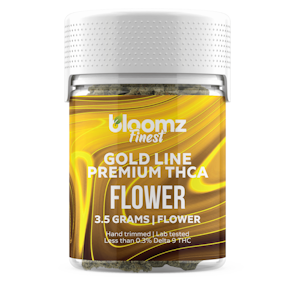
Bongs and vapes split on hardware, but they both start with the same thing. Bloomz Gold Line THCA flower is boutique indoor-grown in small batches and tests at over 32% THCA, so it holds up whether you’re packing a bowl or loading a dry herb chamber. Pick up 3.5G or 7G, with a strain list deep enough to cover indica, sativa, and hybrid preferences. Currently $37.99, down from $89.99.
1. Maintenance — Glass Cleaning vs. Zero Upkeep
herb
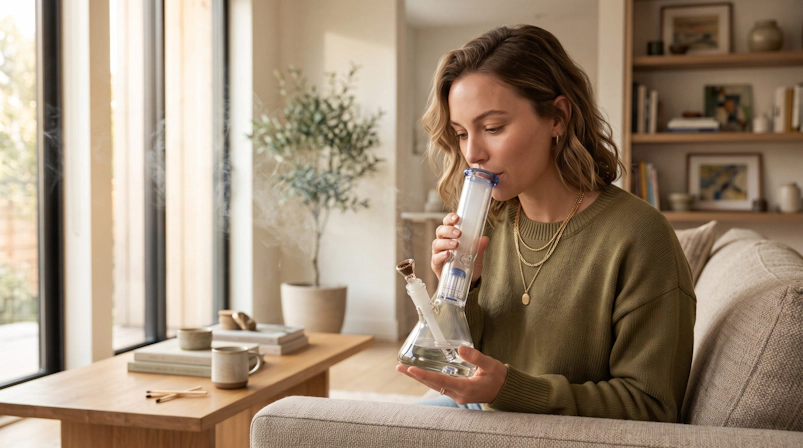
The biggest difference between a bong and a vape comes down to what happens after your session ends. Bongs demand real upkeep:
- iso alcohol soaks to break down resin
- specialty cleaners for stubborn buildup
- careful handling to avoid cracks or chips
- replacement costs when glass inevitably breaks
Carts flip that entirely. There’s no glass to clean, no resin to scrub, and no risk of your device shattering if it tips over. When the cartridge runs dry, you swap it, and you’re done. The vaporizer vs water pipe decision comes down to how you live.
2. Discretion — Stepping Outside vs. Smoking Anywhere

herb
Discretion is where a vaporizer vs water pipe comparison really separates the two. A bong session usually means stepping outside or finding a private space. The smell lingers, the smoke is visible, and cleanup extends the whole ordeal.
A cart battery changes that. Vapor dissipates faster and carries less odor than bong smoke, which opens up options a bong never really gave you:
- lower-key sessions
- less advance planning
- way less “let me find somewhere to do this first”
We shouldn’t have to hide our habit. And we shouldn’t let it dictate our schedule, either.
An all-in-one disposable takes that a step further. There’s no cart to screw in, no battery to charge separately, and nothing extra to carry.
The Loud THCA Rosin Switch Disposable even fits two strains into one device. Its dual chambers hold 3.5g of solventless THCA rosin, and a few button presses flip you between pairings like Sour Maui and Dream Berry. So if you want a sativa for the afternoon and an indica for later, one pocket-sized device covers both. When it runs low, it recharges over USB-C, and the LED display shows you where the battery stands.

3. Ritual — What You Gain and What You Lose

herb
Switching from a bong to a vape means trading one ritual for another, and it’s worth being honest about what you lose. Grinding flower, packing a bowl, watching the water bubble on your first pull. That whole tactile process disappears with a cart.
But a new ritual can take its place. I’ve started treating my 510 battery sessions as an actual moment instead of background noise in front of the TV. A specific time of day, stepping outside on purpose, actually being present for it rather than mindlessly hitting a bowl during a Netflix binge. It’s a different kind of intentional.
Important: Legality varies by state, and a narrower federal hemp definition is scheduled to take effect in late 2026; verify state laws before purchasing.
If the ritual is the part you’d miss, flower is where it lives. Bloomz Gold Line THCA Flower gives you something worth the grind, the pack, and the pause, with small-batch indoor buds above 32% THCA and a terpene load that rewards taking your time. Available in 3.5G and 7G across strains like Lemon Cherry Gelato, Blue Dream, and Super Boof. From $37.99.
Important: Legality varies by state, and a narrower federal hemp definition is scheduled to take effect in late 2026; verify state laws before purchasing.
4. Cost and Longevity — Glass and Water vs. Battery and Oil

herb
Bong vs cart cost breaks down differently than most people expect. A quality 510 battery, if you take care of it, can genuinely outlast most bongs, pipes, and other fragile glass tools on the market. No dropped-and-shattered replacement costs eating into your budget.
That said, it’s not a free lunch:
- no more spending on iso alcohol or bong cleaners
- oil and cartridge costs are ongoing, not one-time
- cart quality varies significantly by brand
Think of it as shifting where your money usually goes.
5. Oil Quality Matters More Than You'd Think
herb
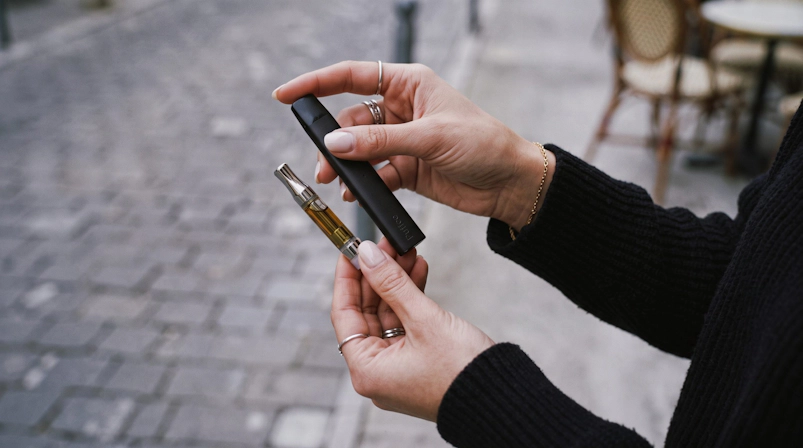
Here’s something that doesn’t get talked about enough: with a bong, you can see and smell your flower quality before you ever light it. With a cart, that visibility disappears. You’re trusting what’s inside a sealed cartridge, and not every brand deserves that trust.
That’s why oil quality matters. A high-quality cart can deliver a clean, flavorful, and consistent experience. A poorly made one can taste harsh, clog frequently, deliver inconsistent effects, or contain contaminants that never should have been there in the first place.
The importance of buying from reputable brands became impossible to ignore during the 2019 EVALI outbreak, when thousands of people developed severe lung injuries linked primarily to illicit THC vape cartridges containing vitamin E acetate rather than regulated, lab-tested products. The outbreak highlighted just how important it is to know where your cartridge comes from and what’s actually inside it.
If you’re leaning toward live resin carts specifically, it’s worth understanding what actually separates live resin from distillate before you buy. And because “live resin” gets slapped on packaging pretty loosely these days. It’s worth knowing how to verify what’s actually in your cart before you commit to a brand.
Bongs and Vapes: Which One Fits Your Life?

herb
There’s no universal winner in the bongs and vapes debate, just what fits your actual life. If you:
- love the ritual of grinding and packing
- don’t mind the cleanup
- smoke exclusively at home
…a bong still makes sense.
If you’re craving:
- less maintenance
- more discretion
- a device that can travel with your routine
…switching to a vaporizer setup is your best bet.
The Bottom Line

herb
Switching from a bong to a 510 felt like growing up, and I mean that without judgment toward anyone still packing bowls.
It’s more convenient, cleaner, more discreet, and it slots into a busy week in a way glass never did. It’s also less romantic. The vape vs bong trade cost me a ritual I loved, and building a new one on purpose turned out to be the best part.
The bong vs vaporizer question comes down to which matches how you actually live right now. Mine changed, so my setup did too.
Find a battery you like, pair it with a cart you trust, and give it a month. If you end up missing the water bubbling, that’s a completely valid answer too.
Frequently Asked Questions
What's the difference between a bong and a cart?
A bong uses water filtration to cool smoke from combusted flower, while a cart vaporizes oil through a 510-thread battery. Bongs require regular cleaning and glass upkeep; carts need cartridge swaps and battery charging instead. Those are the main differences between a bong vs cart.
Is vaping a cart healthier than smoking a bong?
It’s commonly reported that vaping may reduce exposure to some combustion byproducts compared to smoking, though research is still developing and results vary by product and use pattern. Neither method is risk-free, and anyone with respiratory concerns should talk to a doctor.
Are water bongs better for your lungs than vapes?
This is contested, and the honest answer is it depends on what you’re comparing. Water filtration in a bong can cool and filter some smoke, but you’re still inhaling combustion byproducts. Vaping avoids combustion entirely, but cart oil quality and additives play a major role in what you’re actually inhaling. People also ask whether water bongs are healthier than vapes. The same answer applies.
Do carts get you higher than bongs?
Not necessarily. Potency depends more on the product itself (flower quality or oil concentration) than the delivery method. A high-THC bong hit and a high-THC cart hit can land similarly.
How long does a 510 battery last compared to a bong?
A well-maintained 510 battery can last years with proper charging and storage, often outlasting fragile glass bongs that are prone to breakage. Longevity ultimately comes down to how each is handled and cared for.
Can you tell if a cart's live resin is real?
Can you tell if a cart’s live resin is real?
Not always by looking at it. Authentic live resin has specific sourcing and extraction standards that aren’t visible on the label alone, which is why checking a cart’s actual authenticity matters more than trusting packaging claims.
Herb Recommended Products:
READ MORE