
Herb
Astro Candy Strain: Effects, Terpenes, and Everything You Need to Know |
07.21.2026Astro Candy Strain: Effects, Terpenes, and Everything You Need to Know
Candy-sweet flavor with a bright, heady lift that settles into easy relaxation. A hybrid that does exactly what the name promises.

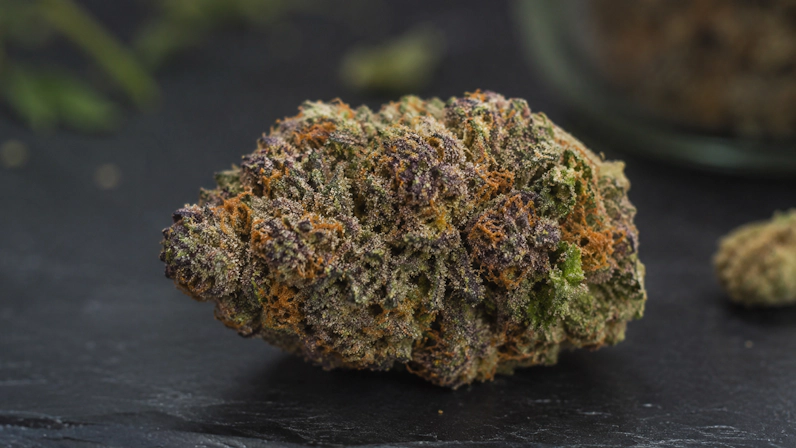
Some strains tell you exactly what they’re going to do, and the Astro Candy strain is one of them. “Astro” for the launch: a quick, bright cerebral lift with plenty of clarity. “Candy” for the landing: a sugary, fruity flavor that tastes like the pick-and-mix aisle. Put them together, and you get a balanced hybrid built for people who want their session sweet, sunny, and functional.
One thing to know off the bat: no breeder has published official Astro Candy strain genetics. So more than one cut may circulate under the name. What’s consistent across markets is the experience. Expect dense, sugar-dusted buds testing around 20–26% THC, with a loud candy nose. So what strain is Astro Candy, exactly? Here’s everything the record actually supports.
Quick Facts: Astro Candy Weed Strain
Herb
The Astro Candy weed strain in brief:
- Strain type: balanced hybrid
- Genetics: undocumented; no verified parent strains have been published
- Breeder: unconfirmed; the strain appears to come from boutique, small-batch projects
- THC: commonly reported at 20–26%, varying by producer and batch
- CBD: minimal, typically under 1%
- Terpene profile: limonene, caryophyllene, and linalool are most consistently reported
- Aroma/flavor: fruity candy, tropical sweetness, bright citrus, a soft floral finish
- Effects: uplifting cerebral buzz, clarity, creativity, mellow body ease
Because the Astro Candy strain genetics are undisclosed, treat the name as a profile more than a fixed pedigree. If your jar smells like a candy shop and hits bright-then-mellow, you’ve got the right idea.
Astro Candy Dominant Terpenes
Aaron Rogosin for Outer Elements Photography / Leafy
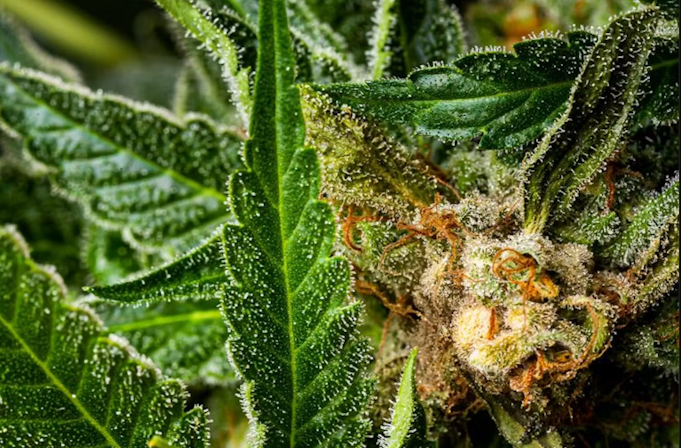
The Astro Candy strain’s dominant terpenes are most consistently reported as limonene, caryophyllene, and linalool. Without published lab averages, consider these educated estimates rather than certified numbers. Check your producer’s COA where available.
Limonene: Leads the charge, powering the bright, candied-citrus sweetness that defines the nose. It’s also the terpene most associated with the strain’s sunny, mood-lifting front end.
Caryophyllene: Works underneath with a warm, peppery spice that keeps the sweetness from turning one-dimensional. It’s commonly tied to the relaxed, settled feel of the back half.
Linalool: Supplies the soft floral-candy finish, the same soothing compound found in lavender. It likely smooths the comedown and rounds out the flavor’s sugary edge.
Some cuts also express ocimene or myrcene in support, adding tropical fruit or ripe depth, respectively. The Astro Candy cannabis strain delivers one of the more convincing “actual candy” profiles in the dessert lane. Sweet on the inhale without going syrupy.
Astro Candy Strain Effects

Herb
Astro Candy strain effects follow a launch-and-land pattern. Expect a quick, energizing head buzz with noticeable clarity, easing into smooth, grounded relaxation without heavy sedation.
The primary effects of the Astro Candy strain include:
- uplifted, cheerful mood
- clear-headed cerebral energy
- creative flow and easy conversation
- gentle body relaxation
- calm, settled finish without couch-lock at moderate doses
Onset is fast, arriving within the first few minutes with a glowy, tingly lift. The middle stretch is the sweet spot: creative, social, and sensory, with the body slowly loosening. The full arc runs around two to three hours before a soft, mellow landing. That launch-and-land arc is the signature of Astro Candy strain effects.
On the Astro Candy strain indica or sativa question, it’s generally positioned as a balanced hybrid. But it can lean slightly sativa depending on the breeder’s cut. In practice, the high covers both lanes: heady first, relaxed second.
Best use cases: Daytime creativity, social hangs, walks, gaming, and early evenings where you want to stay engaged.
Possible downsides: The quick cerebral onset can feel racy for anxious or low-tolerance users. Higher doses drift sleepy, and dry mouth and eyes are standard.
Who enjoys Astro Candy most: Flavor-first smokers, daytime users, and anyone who finds heavy indicas too flattening.
Astro Candy Strain Reviews: What Real Users Say

Herb
Fair warning on the Astro Candy strain review landscape: this is a newer, lesser-documented strain. Feedback volume is sparse and scattered across dispensary listings, retail platforms, and forum mentions. The recurring themes across nearly every Astro Candy strain review:
- the candy-sweet flavor is the main draw
- “fun but functional” often describes the high
- strong bag appeal, with dense, sugar-dusted buds
- approachable potency that suits moderate users without boring veterans
- inconsistent labeling between balanced-hybrid and sativa-leaning
- limited availability, with quality varying between producers
Standard disclaimer: impressions in this Astro Candy strain review roundup come from unverified online users. Individual experiences vary, and the sample size here is smaller than for established strains.
Astro Candy Weed Strain Price

crystalweed
The Astro Candy weed strain sits in the mid-to-premium tier where it appears:
- Eighth (3.5g): $30–$55
- Quarter (7g): $55–$100
- Half ounce (14g): $95–$165
- Full ounce (28g): $160–$270
Premium indoor runs of the Astro Candy strain pull top pricing thanks to the terps and that frosted, sugar-coated look. This is a strain that sells on sight and smell. Budget versions and hemp-derived THCA cuts appear at friendlier prices, with quieter flavor to match. As with most boutique strains, scarcity does as much work as quality: where it’s rare, it’s priced like it.
Astro Candy Growing Info and Tips

Crystalweed
Here’s the honest picture on growing the Astro Candy strain. With no confirmed breeder, there are no official grow specs, no published flowering times, and no verified seed line. What follows is the standard guidance for candy-profile dessert hybrids:
- Difficulty: moderate
- Indoor vs. outdoor: suits both
- Tent/space: plan for a medium footprint
- Lighting: strong, consistent flowering light drives the resin
- Temperature and humidity: moderate through veg; cooler nights and lower humidity late in flower protect terpenes and can tease out color
- Training: topping and LST help light reach the lower canopy
- Veg period: a standard 4–8 weeks depending on target size
- Feeding: moderate; shift to P/K emphasis in flower
- Flowering time: a typical hybrid window of roughly 8–10 weeks
- Yield: unverified; comparable candy hybrids run moderate to above average
- Pest and disease management: dense colas demand airflow and late-flower humidity control
- Seeds available: no verified commercial seed source exists; anything sold as Astro Candy seeds can’t be traced to a confirmed breeder
Most growers will only encounter it as regional clones. If you land a cut, hunt for the hallmarks. The candy-shop nose, heavy frost, and that bright-then-mellow effect arc. The profile is the baseline here.
Similar Strains to Astro Candy
Herb
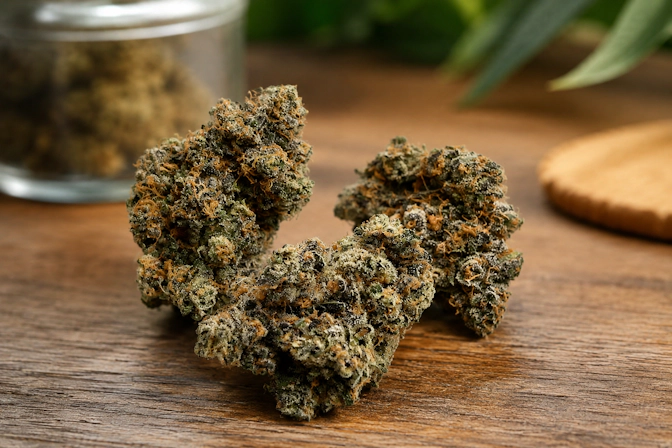
Since the Astro Candy strain parents are unconfirmed, these picks are profile matches rather than known relatives:
- Runtz: the benchmark candy strain that shares the sugary fruit flavor and balanced, euphoric high.
- Zkittlez: kindred candy-fruit sweetness with a slightly more relaxing tilt.
- Space Candy: a fellow cosmic-candy hybrid with cherry-apple sweetness and an upbeat, creative lift.
- Cotton Candy Kush: shares the sugary, carnival-sweet aroma and mellow, feel-good effects.
- Gelonade: similar bright citrus-candy terps with an energetic, daytime-friendly buzz.

herb
Frequently Asked Questions
What strain is Astro Candy?
Astro Candy is a balanced hybrid known for its fruity candy flavor and an uplifting, clear-headed high. Its breeder and lineage are unpublished, so it’s best understood as a boutique, profile-defined strain. Expect dense, frosty buds and THC around the low-to-mid 20s. Most of what circulates in any Astro Candy strain review points back to that same combo: candy flavor, functional high.
Is Astro Candy indica or sativa?
Astro Candy is generally classified as a balanced hybrid, with some cuts leaning slightly sativa. The high runs heady and energizing up front before settling into mellow body ease. Check your specific producer’s labeling, since cuts vary.
What does Astro Candy taste like?
Astro Candy tastes like fruity, sugary candy with bright citrus and a soft floral finish. Some batches add a tropical edge. It’s one of the more literal candy-flavored strains out there, which is most of the reason people come back to it.
What is the Astro Candy strain THC level?
The Astro Candy strain THC level is commonly reported between 20% and 26%, depending on the producer, cut, and batch. That’s strong but manageable territory for most regular consumers. As always with an undocumented strain, your product’s COA is the number that counts.
How much is the Astro Candy weed strain?
Astro Candy typically runs about $9 to $16 per gram depending on market and shelf tier, with eighths landing around $30–$55. Premium indoor cuts price higher on terps and bag appeal. Hemp-derived THCA versions sell for less where they’re available.
Is Astro Candy a good strain?
Yes. If you want dessert flavor with a functional, feel-good high, Astro Candy delivers on both. The sweet terps and bright-then-mellow Astro Candy strain effects make it an easy crowd-pleaser. Just buy from producers who publish lab results, since the name isn’t tied to one verified genetic line.
Herb Recommended Products:
READ MORE