This article contains sponsored content. Some of the products featured are part of paid partnerships. This page explains how our process works.

herb
Green Crack vs Blue Dream: Which Strain Is the Better Sativa?
Two of the most decorated daytime sativas in legal cannabis, side by side. Here's how to pick.

The Green Crack vs Blue Dream comparison comes down to a single question. Do you want sharp, focused energy or sustained, relaxed euphoria?
Both strains rank among the most consistently recommended daytime sativas in modern cannabis. Both have survived nearly two decades of market evolution. Both anchor “best of” lists for good reason. But which one fits the session you actually want?
Below, we break down the Blue Dream vs Green Crack matchup in depth. Find a quick-reference table, a detailed breakdown of genetics, terpenes, effects, ideal use windows, and pricing. Plus, a final verdict on which sativa is the official better pick.
If you land on team Blue Dream by the end, you can grab that exact flavor in a vape. Binoid’s Delta 8 THC Blue Dream Cartridge pairs premium Delta 8 with real Blue Dream terpenes, so you get the strain’s signature flavor in a smooth, convenient format. It’s one of Binoid’s top sellers for relaxing and winding down, with users reporting a calm, happy, mellow feeling. At $26.99 (down from $59.99) with over 110 reviews, it’s an easy way to keep Blue Dream in your rotation.

Green Crack vs Blue Dream: Quick Comparison
| Category | Green Crack | Blue Dream |
|---|---|---|
Strain Type | 65–75% sativa-dominant hybrid | 60% sativa / 40% indica hybrid |
Genetics | Skunk #1 x Afghani landrace | Blueberry x Haze |
Potency | 15–22% THC (calibrated for function) | 17–24% THC (slightly higher ceiling) |
Terpene Profile | Limonene, myrcene, caryophyllene, pinene | Myrcene, terpinolene, caryophyllene, pinene |
Aroma & Flavor | Mango, citrus, skunky earth, pine (shared earthy notes) | Sweet blueberry, herbal, citrus undertones (shared earthy notes) |
Effects | Sharp focus, energy, mental clarity, minimal body load | Gradual euphoria, creative uplift, moderate body ease |
Best Use Cases | Morning, productivity, exercise, focused work | Daytime through evening, socializing, creative sessions, stress relief |
Pricing | $10–$16/gram, $30–$45/eighth | $10–$15/gram, $30–$45/eighth |
Green Crack vs Blue Dream: A Complete Strain Comparison
Genetics and Lineage Compared
Green Crack Genetics:
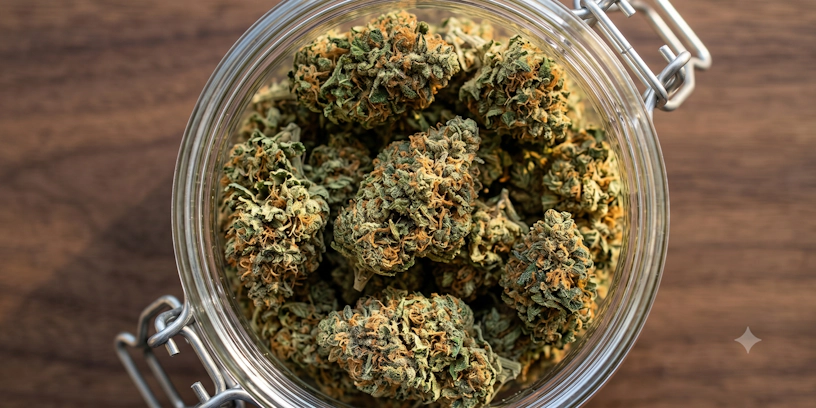
Skunk #1 x Afghani landrace. Skunk #1 contributes to vigorous growth and dense bud structure. It’s also responsible for the skunky-citrus aroma and the cerebral sativa buzz. The Afghani landrace parent adds structural support and rich resin production without dragging the effects into indica territory.
The naming history is one of the better stories in weed. Breeder Cecil C. originally called the strain “Cush” in Athens, Georgia, and ran it under that name for about a decade. Snoop Dogg renamed it Green Crack in the early 2000s after experiencing the fast-acting cerebral high. The name naturally stuck, but Cecil still prefers Cush. Some dispensaries still use “Green Cush” or “Cush” out of respect to the breeder or to avoid drug-like language.
Blue Dream Genetics:
Blueberry (DJ Short’s classic indica-dominant strain) x Haze (the legendary sativa landrace hybrid). Blueberry contributes the sweet berry flavor, body relaxation, and moderate indica influence. Haze brings the cerebral uplift, creativity, and the longer duration Blue Dream is known for.
It originated in Santa Cruz, California, in the early 2000s. The exact breeder isn’t known for sure, but the strain is mainly associated with coastal California cultivators working with DJ Short’s Blueberry genetics. Just be aware that different Blue Dream cuts can express different terpene profiles and effects. Phenotype variation can differ across seed sources.
Green Crack vs Blue Dream Genetics: Both strains came out of the same Northern California cannabis scene in the early 2000s, which is why they keep ending up on the same legacy sativa lists.
The genetics tell different stories. Green Crack’s Skunk #1 parent is where the fast, cerebral, citrus-forward character comes from. The Afghani landrace parent strain adds resin and structure without dragging the effects toward indica. On paper it’s a hybrid. In practice, it smokes like a sativa.
Blue Dream works differently. The Blueberry parent brings the berry flavor, the body ease, and the softening influence that takes the edge off the Haze. The Haze parent handles the cerebral lift and the longer duration. The result is a more balanced experience than Green Crack—a gentler onset, a more physical presence, and a longer effect window.
herb
Dominant Terpene Profiles Compared
Green Crack terpenes:
- Limonene (citrus, mood-lifting, contributes to the mango nose and the “Mango Crack” nickname)
- Myrcene (earthy, supporting, provides body ease without dragging into sedation)
- Caryophyllene (peppery, gassy, anti-inflammatory)
- Pinene (pine, mental clarity, focus)
Blue Dream terpenes:
- Myrcene (earthy, herbal, the foundational terp that drives the body component)
- Terpinolene (sweet, herbal, slightly floral, contributes to the dreamy vibe)
- Caryophyllene (peppery, anti-anxiety, anti-inflammatory)
- Pinene (pine, mental clarity)
Green Crack vs Blue Dream terpenes: Put the Green Crack strain terpenes next to the Blue Dream strain terpenes, and both share caryophyllene and pinene as secondary terpenes. They also express myrcene at varying levels. The key differentiators? Limonene is Green Crack’s lead (sharp citrus energy), and terpinolene drives Blue Dream (a dreamy, uplifting quality). Caryophyllene also shows up in both strains but expresses differently depending on the accompanying terpenes.

wendell fernandes
Effects Compared
Here’s how the Green Crack weed strain effects stack up against the Blue Dream weed strain effects.
Green Crack effects:
- Sharp, focused mental energy
- Mood elevation and creativity
- Sociability and talkativeness
- Minimal body involvement
- Fast onset (within 5 to 10 minutes)
- Lasting 60 to 90 minutes with a clean taper
Blue Dream effects:
- Gradual cerebral euphoria
- Relaxed creative uplift
- Moderate body ease
- Mood-elevation alongside light physical relaxation
- Slower onset (10 to 15 minutes)
- Lasting 2 to 3 hours with a gradual taper
Green Crack vs Blue Dream effects: Put the Green Crack strain effects next to the Blue Dream strain effects, and both deliver a creative, social vibe. They work particularly well during daytime hours. Both strains also share caryophyllene and have anti-anxiety properties, with Blue Dream’s myrcene profile adding an additional calming layer.
The key difference is body and pace. Green Crack stays almost entirely cerebral and hits fast. Blue Dream brings a physical relaxation that builds slowly.
Blue Dream is more beginner-accessible. The gradual onset is more forgiving for low-tolerance consumers, and the body component buffers any racy edge. Green Crack’s fast onset can overwhelm beginners who dose like they would with a softer strain.

elle cartier
Best Times to Use
Green Crack’s ideal window is morning and early afternoon. Productive work, exercise, outdoor activities, and creative tasks that benefit from sharp focus. Green Crack is not an evening strain. The cerebral energy doesn’t lend itself to winding down.
Blue Dream’s ideal window is daytime through early evening. Socializing, creative projects, stress relief, unwinding without sedation. The moderate body ease makes Blue Dream functional later in the day than Green Crack. Still, it’s too cerebral to be considered a sleep strain.
Both work well as daytime sativas. The difference mainly shows up in what they’re optimized for. Green Crack is built for focus and energy. Blue Dream is built for mood and relaxed sociability.
- High-output work or studying: Green Crack
- Pre-workout or exercise: Green Crack
- Social settings and group hangouts: Blue Dream
- Managing anxiety: Blue Dream
- Creative sessions with no time pressure: Blue Dream
- Creative sessions with a deadline: Green Crack
herb
Average Price Compared
Green Crack: $10 to $16 per gram at most legal dispensaries, $30 to $45 per eighth. Pricing varies by region and cultivator quality.
Blue Dream: $10 to $15 per gram, $30 to $45 per eighth. Competitive pricing keeps Blue Dream affordable across most legal markets.
Seed pricing: Green Crack feminized seeds typically run $40 to $90 for a 5 to 10 seed pack from reputable seed banks. Blue Dream feminized seeds run $50 to $100 for similar pack sizes. Autoflower options available for both strains are priced slightly lower.
Price varies by market, product quality, and source. California and Colorado tend to have lower prices for both strains. Emerging legal markets push prices higher across the board. Premium pricing for either strain comes from:
- Craft cultivation
- Organic growing methods
- Top-shelf cure quality
- Verified phenotype authenticity (especially for the Cecil cut of Green Crack)
Green Crack vs Blue Dream: Which Sativa Takes the Crown?

blue dream
Green Crack wins for focus, energy, and productive sessions. The Skunk-Afghani genetics and limonene terpene profile produce a sativa experience that helps you get things done. The 15 to 22% THC is part of why the strain stays functional rather than tipping into anxious territory.
Blue Dream wins for versatility, mood, and the broadest range of use cases. The Blueberry-and-Haze genetics produce a softer, longer-lasting, more enjoyable high.
The honest verdict: There’s no single winner. The better sativa Green Crack or Blue Dream question depends entirely on what you want from a session. For consumers who already know they want sharp focus and energy, Green Crack is the better pick. For consumers who want a flexible all-day strain, Blue Dream is the better pick. For consumers who can’t decide, keep both in rotation and pick based on the session.

HERB
Frequently Asked Questions
Is Green Crack similar to Blue Dream?
Green Crack and Blue Dream share some surface-level similarities. Both are sativa-dominant, both are daytime strains, and both are on “best sativa” lists web-wide. They diverge in genetics, terpene profile, and body involvement. Same category, different experiences.
Which strain is stronger, Green Crack or Blue Dream?
Blue Dream typically tests slightly higher at 17 to 24% THC compared to Green Crack’s 15 to 22% range. But “stronger” depends on what you mean. Green Crack feels more immediately intense due to its faster onset and sharper cerebral edge. Blue Dream feels more sustained due to its gradual build and longer duration. Different versions of strong, rather than one clearly outpowering the other.
What's best for euphoria, Green Crack or Blue Dream?
Blue Dream wins for euphoria. The myrcene-terpinolene combination produces a sustained, dreamy, mood-elevated high. It consistently delivers stronger euphoric effects than Green Crack’s more energetic, focused experience. So, on the Blue Dream or Green Crack best for euphoria question, Blue Dream is the cleaner pick.
What are the main differences between Green Crack and Blue Dream?
Three main differences. First, Green Crack delivers sharp, focused energy with minimal body involvement. Blue Dream delivers gradual euphoria with moderate body ease. Second, Green Crack hits fast (5 to 10 minutes). Blue Dream builds slowly (10 to 15 minutes). Third, Green Crack’s flavor is citrus-forward (mango, lemon, skunky earth). Blue Dream’s flavor is sweet-berry-forward (blueberry, herbal, light citrus undertones).
Which is the better sativa, Green Crack or Blue Dream?
Green Crack is the better sativa for focused productivity, exercise, and morning use. Blue Dream is the better sativa for all-day use, social settings, and consumers who want a softer experience. There’s no universal winner. Pick based on what you actually want from a session rather than which has the better reputation overall.
The Herb Community

bobby
For more than a decade, Herb has been a gathering place for cannabis consumers who care about the strains they smoke, the breeders behind them, and the genetics shaping the modern dispensary menu.
Legacy sativas like Green Crack and Blue Dream are exactly the kind of cultivars worth digging into. Strains that have survived multiple market eras, while newer designer hybrids cycle in and out of relevance. What started as a corner of the internet has grown into a community where millions come to learn, share, and stay connected to cannabis culture.
Here’s what you can tap into at Herb:
- Learning hub and guides that break things down clearly, from strain profiles to understanding how terpenes shape your high
- News hub that spotlights the latest cannabis culture and policy shifts
- Dispensary directory to help you find licensed shops in your local area
- Monthly strain picks, featuring rotating Indica, Sativa, and Hybrid favorites
- Deals page, updated monthly with the best cannabis discounts available online
Stay connected with the Herb community by subscribing to our newsletter, following us on Instagram, and X for the latest in cannabis lifestyle and culture.
Herb Recommended Products:
READ MORE