
Herb
Broad-Spectrum vs. Full-Spectrum CBD for Sleep: Which One Actually Works Better?
It’s 2am. You’re staring at the ceiling. You’ve heard CBD might help—but now you’re stuck choosing between full-spectrum and broad-spectrum. Here’s how to decide.

The debate between full-spectrum and broad-spectrum CBD for sleep is one of the most common questions we get from people who are serious about fixing their sleep but don’t want to just guess. And honestly, it’s a fair question. The labels sound almost identical. The products look the same on the shelf. But the difference matters—especially when you’re trying to get a full night’s rest instead of a restless four hours.
Both options have real merit. Neither is a scam. But they work a little differently, and depending on your situation, one is likely a better fit. Here’s what you need to know to make the call.
Full-Spectrum vs. Broad-Spectrum CBD: What’s the Difference?
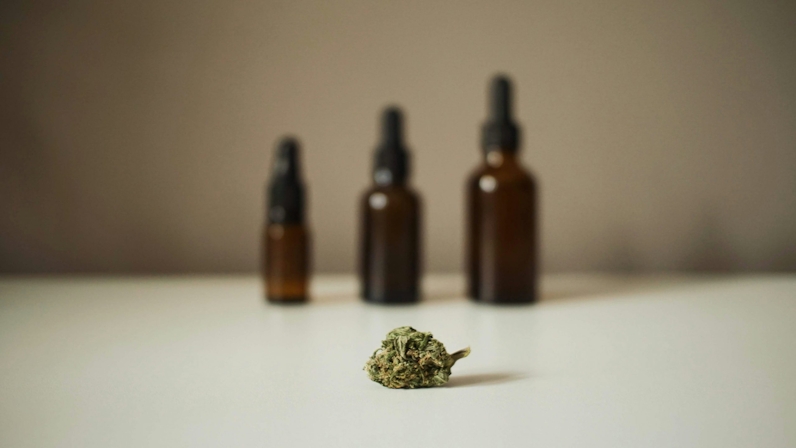
Cosmin Ursea
Before getting into sleep specifically, it helps to understand what you’re actually buying when you choose one over the other. The distinction between full vs broad spectrum CBD comes down to one thing: THC.
What Is Full-Spectrum CBD?
Full-spectrum CBD contains everything that naturally occurs in the hemp plant—cannabinoids, terpenes, flavonoids, and up to 0.3% THC. That THC level is federally legal in the U.S., and THC’s presence may have a noticeable effect for some, especially new or infrequent users.
The reason this profile is significant comes down to something called the entourage effect. The basic idea: cannabinoids and terpenes work better together than any single compound does alone. A foundational 2011 paper by Dr. Ethan Russo laid out the case for phytocannabinoid-terpenoid synergy in compelling detail. More recent research, including this 2024 review published in PMC, continues to build on that framework.
For sleep specifically, full-spectrum CBD oil brings along cannabinoids like CBN, which has its own mild sedative properties, alongside sleep-relevant terpenes that a broad-spectrum product may partially retain but a full compound profile delivers more completely. That trace THC also plays a role—at low levels, it may help one fall asleep rather than creating any kind of intoxication.

Elsa Olofsson
What Is Broad-Spectrum CBD?
Broad-spectrum CBD is essentially full-spectrum with the THC removed. It still contains most of the other cannabinoids and terpenes from the hemp plant, which means it’s not the same as CBD isolate. You still get a meaningful entourage effect—just a partial one.
Broad-spectrum CBD oil is the right call for a specific set of circumstances: you’re subject to drug testing, you’re sensitive to THC and have had anxious reactions to it before, or you’re new to cannabinoids and want to keep the variables simple. None of those are minor concerns. For a lot of people, THC-free is a real requirement, not just a preference. Broad-spectrum doesn’t make you compromise on much—you’re still getting a multi-compound product that performs well.

Herb
Does the Difference Actually Matter for Sleep?
Here’s where it gets practical. When you’re comparing broad vs full-spectrum CBD for sleep, the entourage effect is the deciding factor.
Both spectrum types contain sleep-supportive terpenes like myrcene and linalool, which have well-documented relaxing and sedative properties. That’s already a meaningful advantage over isolate. But full-spectrum products layer in the complete cannabinoid profile, including trace THC, which appears to contribute to longer, deeper sleep cycles for many users.
Anecdotally, people who’ve tried both tend to report stronger and more consistent results with full-spectrum. That’s not a knock on broad-spectrum—it genuinely outperforms isolate—but the full compound profile appears to have an edge, at least based on current evidence and user experience.
The honest caveat: research on CBD and sleep is still catching up to the hype. The studies are promising, and the anecdotal base is large, but we don’t have the kind of long-term clinical data that would settle this definitively. What we do have is enough to make an informed decision.
Bottom line: full-spectrum has a slight edge for sleep. Broad-spectrum is a legitimate, effective alternative for anyone with a real reason to avoid THC.
How to Choose the Best CBD Product for Sleep
Now that you know the difference, here’s how to actually pick.
Choose Full-Spectrum CBD for Sleep If…
Full-spectrum CBD is the move when you have no concerns about trace THC, and you want the complete compound profile working for you. Specifically:
- You don’t have drug testing at work, and you aren’t traveling somewhere with strict cannabis laws
- You’ve tried CBD before without much success and want to step up the potency
- You’re dealing with significant sleep disruption, anxiety-driven insomnia, or chronic pain that keeps you up at night
- You want the maximum entourage effect, not a partial version
For format, full-spectrum CBD oil taken sublingually (under the tongue) 30–60 minutes before bed gives you the fastest absorption. Hold it for 60–90 seconds before swallowing. This gets into your system faster than a capsule or gummy and lets you feel the effects before you’re trying to drift off.

Herb
Choose Broad-Spectrum CBD for Sleep If…
Broad-spectrum CBD is the right pick when THC is off the table for any reason. That includes:
- You’re subject to workplace drug testing and can’t risk a positive result, even from trace amounts
- You’ve had anxious or uncomfortable reactions to THC in the past and don’t want to introduce it, even at 0.3%
- You’re new to CBD and want to start without any unknown variables
- You still want a multi-compound product rather than a basic isolate
Broad-spectrum CBD oil works well taken the same way as full-spectrum—sublingually before bed. Broad-spectrum CBD oil gummies are also a popular option here, and they come with a specific advantage: the slower digestion-based absorption means the effects tend to arrive gradually and last longer through the night. If falling asleep isn’t your issue but staying asleep is, gummies are worth considering.
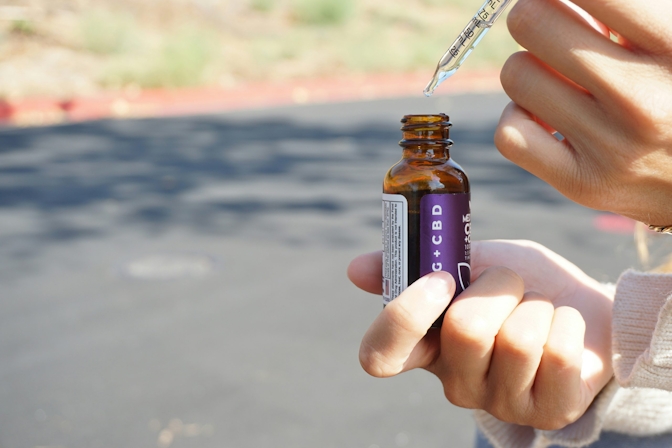
Elsa Olofsson
What to Look for on the Label (Regardless of Which You Choose)
Whether you go full or broad-spectrum, product quality varies enormously. Here’s what separates a trustworthy CBD product from one that’s just wearing the right labels:
- Third-party lab testing is non-negotiable. Every legitimate CBD product should have a Certificate of Analysis (COA) from an independent lab, available on the brand’s website. If you can’t find it, move on.
- Hemp source matters. Domestic hemp grown organically is the standard to look for. Hemp is a bioaccumulator—it pulls nutrients and contaminants from the soil equally—so the source directly affects the purity of what you’re ingesting.
- CO2 extraction is the gold standard for production. It preserves the full compound profile without leaving solvent residue behind. Other methods exist and aren’t automatically bad, but CO2 is the benchmark.
- Dosage has to be stated clearly—milligrams per serving, not just total milligrams in the bottle. A label that only tells you there’s 1500mg in the bottle tells you nothing about what you’re actually getting per dose.
Watch out for “hemp extract” with no spectrum designation. That’s a red flag. A quality product will tell you exactly whether it’s full-spectrum, broad-spectrum, or isolate. Vague language usually means the brand is hiding something.

Herb
Dosage for Sleep
Anecdotal reports and some early research suggest that individuals new to CBD often begin in the 15–25mg range, though responses vary considerably from person to person. Starting with a lower amount and gradually increasing is a commonly cited approach, as some individuals report feeling groggy if they take more than their body can tolerate initially.
Timing matters more than people realize. Full-spectrum CBD oil is absorbed sublingually in 30–60 minutes. Gummies, as they go through digestion, take 1–2 hours to kick in but tend to have a longer window of effect. Plan accordingly.
Consistency is probably the biggest variable people underestimate. CBD for sleep isn’t always a first-night fix. Many users report that it takes one to two weeks of nightly use before the benefits become consistently noticeable. Give it a real trial period before deciding it’s not working.
Important: The information above is for informational purposes only and does not constitute medical advice. CBD affects individuals differently, and no dosage information should be interpreted as a recommendation to treat, cure, or prevent any condition, including insomnia or other sleep disorders. Always consult a qualified healthcare professional before starting any CBD regimen, particularly if you are pregnant, nursing, taking prescription medications, or managing an existing health condition.

Bee Naturals
Frequently Asked Questions
Will full-spectrum CBD get me high?
It is unlikely that full-spectrum CBD products would result in a psychoactive effect or “high,” though full-spectrum CBD can contain up to 0.3% THC, which is the federally legal limit in the U.S. This trace amount often isn’t enough to produce intoxication for most users. However, individuals who are particularly sensitive to THC may notice subtle effects, which is one reason broad-spectrum is recommended for those with a history of anxious reactions to cannabis.
Can CBD show up on a drug test?
Broad-spectrum and isolate CBD products are formulated to be THC-free, which significantly reduces the risk of a positive drug test result. However, no THC-free claim can be guaranteed with absolute certainty, and trace contamination during manufacturing is possible.
How long does it take for CBD to work for sleep?
This varies by format and individual. Sublingual CBD oil is generally reported to take effect within 30–60 minutes, making it a practical choice for use shortly before bed. Gummies and other edible formats pass through the digestive system and may take 1–2 hours to kick in, though many users report a longer-lasting effect as a result. Individual responses vary.
How much CBD should I take for sleep?
There is no universal dosage, and this article does not constitute medical advice. Anecdotal reports suggest many people new to CBD start in the 15–25mg range and adjust based on how they respond. A healthcare professional can help you determine a suitable starting point based on your personal health history and any medications you may be taking.
What should I look for when buying a CBD product for sleep?
Regardless of whether you choose full-spectrum or broad-spectrum, look for products that provide a Certificate of Analysis from an independent third-party lab, clearly state the milligrams per serving, use organically grown domestic hemp, and specify whether the product is full-spectrum, broad-spectrum, or isolate. Vague labeling is a red flag worth taking seriously.
The Herb Community

Herb
For more than a decade, Herb has been a gathering place for people who love, use, and are simply curious about cannabis. What started as a small corner of the internet has grown into a community where millions come to learn, share, and stay connected to cannabis culture.
Here’s what you can tap into at Herb:
- Learning hub and guides that break things down clearly, from growing weed outdoors to understanding how terpenes impact your high
- News hub that spotlights the latest cannabis culture and policy shifts
- Dispensary directory to help you find licensed shops in your local area
- Monthly strain picks, featuring rotating Indica, Sativa, and Hybrid favorites
- Deals page, updated monthly with the best cannabis discounts available online
Stay connected with the Herb community by subscribing to our newsletter, following us on Instagram, and X for the latest in cannabis lifestyle and culture.
Herb Recommended Products:
READ MORE