How to Quit Carts When Vaping Weed Has Become a Daily Habit
Carts are the easiest way to get high, which is exactly what makes them so hard to put down. Here’s what truly works when you’re ready to stop.
Rachel Abela
March 18, 2026
This article contains sponsored content. Some of the products featured are part of paid partnerships. This page explains how our process works.

Herb
Carts are the easiest way to get high, which is exactly what makes them so hard to put down. Here’s what truly works when you’re ready to stop.
March 18, 2026
How to quit carts is one of those searches you probably never thought you’d be making—until you realized you’ve been ripping yours every hour like it’s a nervous tic. And honestly? I get it.
Carts are hands down the easiest way to get lit. It’s almost too easy. I once found myself going through a full cartridge every two days—not because I was partying or having some wild weekend, but just because it was there. The access is constant. And when something that potent is that effortless to use, the line between “I enjoy this” and “I need this” gets blurry fast.
If you’re reading this, you’ve already done the hardest part, which is admitting that your relationship with carts might need to change. With the right tips and a solid plan, you can set healthy boundaries with cannabis (or walk away from carts entirely) and actually make it stick.

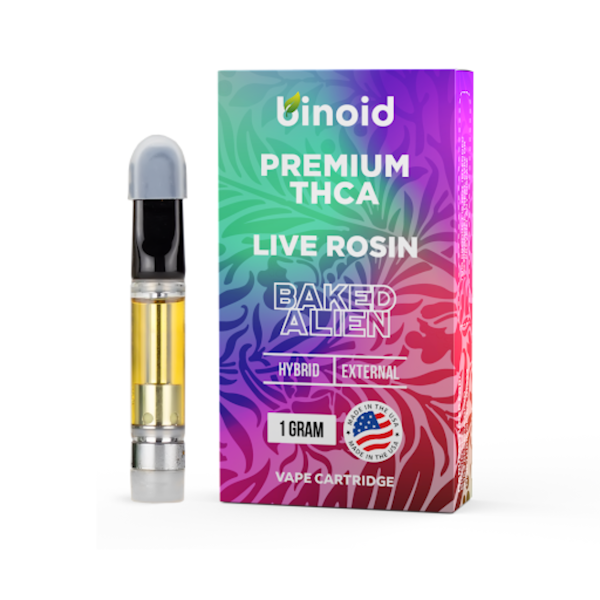
Cutting back doesn’t have to mean settling for worse. Binoid’s THCA live rosin cartridges pair 99% THCA distillate with live rosin terpenes, which is a real step up from the standard distillate formula most 1-gram carts run. The hardware is built to be non-clogging and non-leaking, so you’re not fighting the thing halfway through. Six strains cover the range: Baked Alien, Exotic Kush, Cranberry Haze, Mango Tango, Avatar OG, and Blue Walker. If you’re going to keep one cart around, make it a good one. Currently $30.99, down from $59.99.
Important: Legality varies by state, and a narrower federal hemp definition is scheduled to take effect in late 2026; verify state laws before purchasing.

Romain B

ROMAIN B
I’ll be honest… how to quit carts is something I think about more than I’d like to admit. I switched from bongs to carts in 2023. The reasoning made sense at the time: more discreet, it felt easier on my lungs, and way more convenient. But somewhere between “this is great for travel” and “I literally cannot fall asleep without hitting this thing,” the convenience turned into a crutch.
I know I’m not alone. If you’re reading this, you probably already know the feeling—that moment when you realize the cart isn’t something you choose to use anymore. It’s just… there. On your nightstand, in your pocket, right next to you while you work.
Here’s why quitting carts is a different beast than quitting flower or even edibles: The potency gap is massive.
Most cannabis flower sits somewhere between 15–30% THC. Vape carts? They typically land between 70–90% THC, with distillates pushing even higher. That means every single puff is delivering a concentrated dose of THC that flower simply can’t match. Your brain adjusts to that level of input, and when it’s suddenly gone, it notices. According to Cleveland Clinic, people who use more potent forms of THC, including concentrates and vape pens, are more likely to experience withdrawal symptoms and develop cannabis use disorder.
Then there’s the access issue, which is a huge part of why learning how to quit carts is so much harder than quitting flower. A bong requires setup. Rolling a joint takes time. Even loading a bowl has a ritual to it. With carts, you click a button and inhale. That makes it ridiculously easy to take a hit every 20 minutes without even registering that you’re doing it. What starts as a few puffs in the evening quietly becomes a frequent daily habit , and by the time you notice, it’s baked into your routine (pun intended).
The discreet factor doesn’t help either. Nobody smells it, nobody sees it, and you can rip a cart in your bathroom, your car, or your bed at 2 am without anyone knowing. That invisibility removes the natural social friction that sometimes makes people pause and think, “Maybe I’m overdoing it.”
And finally, there’s the ritual piece. Carts become part of how you start the day, how you wind down, how you handle stress, how you fall asleep. It stops being about getting high and starts being about feeling normal. That’s when you know it’s time to figure out how to quit carts—and to actually make a plan for it.
Because here’s the thing. How to quit carts isn’t just about mustering up all the willpower possible. It’s about having an intentional strategy.
Going in blind and cold-turkey often leaves people white-knuckling it for a few days and ultimately caving back into the previous routine. So before you toss your battery in a drawer, let’s talk about some tips that can help you successfully quit vaping weed carts.
herb
The most sustainable way to learn how to quit vaping weed is to ease into it rather than ripping the band-aid off overnight. Tapering gives your endocannabinoid system time to recalibrate instead of shocking it into withdrawal mode.
There are two main ways to taper: reducing how often you use and reducing how strong your hits are. Ideally, you’d do both, but even one makes a noticeable difference.
For frequency, start by setting boundaries around when you can use it. If you’re currently hitting your cart from morning to night, try restricting use to evenings only. Then push that window shorter—maybe just the last hour before bed, or one pre-set hour in the evening.
Another approach is counting your hits. If you normally take 15–20 puffs a day, drop to 10 for a week, then 7, then 4. It sounds tedious, but the structure works because it gives you a clear target when you’re figuring out how to quit carts on your own terms. This approach won’t exactly work if you suddenly take much longer hits but reduce the amount of hits. The goal is to ultimately reduce the amount of vapor and cannabinoids being inhaled.
One of the most underrated tactics is delaying the urge. When a craving hits, don’t reach for the cart immediately. Wait five minutes. Then ten. Then fifteen. You’re training your brain to tolerate the discomfort of wanting something and not instantly getting it, which is basically the core skill of quitting carts.
For potency, if you’re using 85%+ THC distillate carts, try stepping down to a live resin cart in the 60–70% range. After that, consider CBD-dominant carts or 1:1 THC/CBD blends. The CBD takes the edge off withdrawal while you wean your system off the high-THC input it’s used to.
Can a Cold Turkey Approach Work?
Going “cold turkey” on carts may feel like the best first approach because it can seem the most decisive. And for some people, it works.
But for many daily cart users, going cold turkey increases the risk of relapse because the withdrawal symptoms can surface all at once. And without coping strategies in place, it’s easy to cave. The good news? Cannabis withdrawal isn’t physically dangerous the way alcohol or benzodiazepine withdrawal can be. It’s uncomfortable, though typically not life-threatening. But uncomfortable is still enough to send many users right back to the cart if they’re not prepared. That’s why most guides on how to quit carts recommend tapering rather than going cold turkey for heavy daily users.
One more thing worth mentioning: there’s a big difference between quitting carts and quitting weed. If your goal is to stop vaping but you’re not ready to leave cannabis behind entirely, that’s completely valid. Switching to a less concentrated form—like flower, edibles, or tinctures—is a legitimate harm-reduction strategy. You’re still reducing the concentrated THC load your brain is processing, and you’re breaking the hand-to-mouth vaping habit. That alone is a win.

herb
Cravings are triggered by specific situations, emotions, and patterns. So one of the smartest things you can do is build routines that either reduce those triggers or give you better ways to handle them.
Start with the basics: exercise, sleep, and nutrition. I know that sounds like generic wellness advice, but hear me out. Exercise is one of the most effective natural ways to boost dopamine and endorphins—the same feel-good chemicals your brain has been relying on THC to produce. Even a 30-minute walk or a quick gym session can take the edge off a craving in ways that surprise you.
Sleep is critical because insomnia is one of the most common withdrawal symptoms, and poor sleep makes everything harder—cravings, mood, decision-making, all of it. Eating well matters because your appetite will probably be all over the place for the first week or two. Having nutritious food on hand keeps your energy stable when your body is adjusting.
Next, reduce your access. This sounds simple, but it’s powerful. If you’re serious about quitting carts, get the cart out of your immediate reach. Give it to a friend to hold, lock it in your car, or throw it away entirely. The harder it is to use, the more friction there is between you and a relapse. You’d be amazed at how many cravings pass in the 10 minutes it would take to go retrieve your cart from wherever you stashed it.
Tell people. Seriously. Let a friend, a partner, a roommate know what you’re doing. Having an “accountabilabuddy” can make a massive difference. When you’ve told someone you’re quitting, there’s a social layer of motivation that kicks in. And on the rough days, having someone who gets it and can talk you through a craving is worth more than any supplement or technique.
Finally, be honest about your triggers. For a lot of people, the biggest ones are stress, boredom, and social situations where others are using. You don’t need to avoid every stressful moment or never see your friends who smoke. But knowing your triggers means you can plan for them instead of being blindsided. If Friday nights with your roommate usually involve passing a cart back and forth, have a game plan. Suggest a different activity, step outside when they’re using, or be upfront about what you’re working on.

Romain B
Here’s something nobody tells you about quitting carts: the psychological habit is almost harder to break than the chemical dependence. Your brain has linked the physical act of vaping—raising your hand to your mouth, inhaling, exhaling, the sensory feedback of it all—with relief, relaxation, and reward. Take the cart away, and your hands literally don’t know what to do.
This is where substitution comes in, and it’s the same approach that’s been helping people quit cigarettes for decades. You need something to do with your hands and your mouth that isn’t a vape. A few things that people swear by: chewing gum, sucking on a straw or toothpick, snacking on something crunchy, or even holding a pen. It sounds silly, but the oral fixation piece is real, and addressing it directly makes the early days of quitting carts way more manageable.
On the physiological side, your brain needs new sources of dopamine and other feel-good neurochemicals that THC carts have been flooding it with. Vaping concentrates causes significant dopamine spikes, and when you stop, your baseline dopamine drops. That’s why everything feels flat, boring, and unmotivating for the first couple of weeks—your reward system is recalibrating.
You can support that process with activities that naturally boost dopamine: exercise (especially high-intensity), cold showers, spending time in sunlight, socializing, learning something new, creative projects, and even just listening to music you love.
None of these will feel as immediately rewarding as a cart hit—that’s the honest truth. But over time, your brain’s natural reward system comes back online, and the things that used to bring you joy before carts may very well start to feel good again.

adrian swancar
Let’s talk about the elephant in the room. Withdrawal is real. It’s not fun. And pretending it won’t happen is a fast track to relapsing on day three.
According to Cleveland Clinic, nearly 47% of regular cannabis users experience withdrawal symptoms when they stop. And if you’ve been using high-potency carts daily, you’re in the category most likely to feel it.
Common weed withdrawal symptoms include:
The timeline generally follows a predictable pattern. Symptoms tend to show up within 1–2 days of your last use, peak in intensity around days 4–7, and gradually ease up over the next two to three weeks. Sleep issues tend to linger the longest—sometimes up to 30–45 days—which is honestly the part that gets most people.
Here’s how to support yourself through it. Stay hydrated, and I don’t just mean water. Electrolytes are your best friend during the first week, especially if you’re sweating more than usual or not eating much. Keep your environment cool, since night sweats are one of the more annoying withdrawal symptoms, and sleeping in a cooler room helps.
For sleep specifically, melatonin can help in the short term, and CBN (a non-intoxicating cannabinoid) is gaining traction as a sleep aid that doesn’t come with the THC dependency. Neither is a long-term fix, but they can bridge the gap while your natural sleep cycle resets.
Consider tracking your sober days with an app. There are several designed specifically for this. Apps like Grounded or I Am Sober let you log your streak, journal about how you’re feeling, and see your progress over time.
And if withdrawal symptoms or quitting in general feels like more than you can handle on your own, there’s zero shame in seeking professional support. It’s easy to assume you have to push through it alone, but you don’t. In many cases, working with a therapist or counselor who has experience with cannabis use and withdrawal can make the process more manageable, and far more compassionate.
Approaches like cognitive behavioral therapy (CBT) and dialectical behavior therapy (DBT) are evidence-based and designed to help people reshape their relationship with substances. And a trained professional can offer personalized tools and support that a Reddit thread or article—even this one—simply can’t.

HERB
This is the part that separates the people who quit for a week from the people who actually change their relationship with cannabis. And it comes down to mindset.
You need a why. Not a vague “I should probably cut back” kind of why—a real, specific, personal reason that matters enough to carry you through the worst cravings. Maybe it’s that you’ve noticed your memory slipping, and it scares you. Maybe your relationships are suffering because you’re checked out every evening. Maybe you’re planning to travel somewhere weed isn’t legal, or you’re thinking about starting a family and want to be fully present. Whatever it is, write it down and put it somewhere you’ll see it every day.
One technique that works for a lot of people is creating a verbal reminder, a sentence you repeat to yourself when the urge hits. Something like: “Vaping made me feel hazy and flat. Quitting is bringing me clarity.” It sounds corny, but affirmations work because they redirect your brain from “I want a hit” to “here’s why I’m not doing that.”
And please be kind to yourself through this. How to quit carts is not a question with a perfect, linear answer. You might slip up. You might have a day where you cave and take a hit. That doesn’t erase your progress or make you a failure. It makes you human. The people who succeed long-term aren’t the ones who never falter. They’re the ones who falter and get back on track instead of using one slip as permission to give up entirely.
The key is not giving yourself a built-in escape hatch. Saying “I’ll quit for a month and see how I feel” is very different from “I’m done with carts.” One gives you permission to go back. The other doesn’t. Choose accordingly.
HERB
How to quit carts isn’t about demonizing weed or pretending cannabis doesn’t have a place in people’s lives. It does. But there’s a difference between choosing to use and feeling like you can’t stop. If you’re in that second category, know that quitting is absolutely possible—even if carts are the most convenient, most potent, most habitual way you’ve ever consumed cannabis.
Start with a plan. Taper if you can. Build routines that support you. Replace the habit with something that doesn’t get you high. Manage withdrawal like the temporary discomfort it is. And commit to your reasons.
If you want community support from people going through the exact same thing, r/leaves on Reddit has over 220,000 members and is one of the most genuinely supportive corners of the internet for anyone trying to quit cannabis. You’re not doing this alone.
Herb
The physical withdrawal phase typically lasts two to three weeks, with symptoms peaking around days 4–7. Sleep disturbances can linger for up to 30–45 days. But “completely quitting” is more of a mental game than a physical one—building new habits and breaking the psychological association with vaping takes longer, sometimes several months. Everyone’s timeline is different depending on how long and how heavily they’ve been using it.
In most cases, yes. Your lungs begin to recover relatively quickly once you stop inhaling vaporized concentrates. Many people report improved breathing, less coughing, and better endurance within a few weeks. The extent of recovery depends on how long you were vaping and whether there was any underlying damage. If you have persistent respiratory symptoms after quitting, it’s worth checking in with a doctor.
Yes—if your goal is specifically quitting carts rather than quitting weed entirely. Switching to flower significantly reduces the THC concentration you’re consuming per session (15–30% vs. 70–90%), which helps your tolerance come down. It also breaks the frictionless vaping habit since flower requires more preparation. Just be mindful not to overcompensate by smoking more flower to chase the same high you got from carts.
For most people, the acute withdrawal phase lasts about two to three weeks. The worst of it—irritability, anxiety, appetite loss, and sleep disruption—tends to hit hardest during the first week. After that, symptoms gradually improve. Some psychological symptoms, like cravings and mood fluctuations, can stick around for up to five weeks in heavy users, and sleep issues may take a month or more to fully resolve.
Yes, and there’s no shame in admitting that. Carts are one of the hardest cannabis products to quit because of the combination of high potency, constant accessibility, and the ritualistic nature of vaping. The discreet factor also makes it easy to use all day without anyone noticing—including yourself. But “hard” doesn’t mean impossible. With a solid plan, support, and the right mindset, people successfully quit vaping weed carts every day.
There’s no single best approach since it depends on your usage patterns and goals. For most daily users, a gradual taper—reducing frequency and potency over a few weeks—tends to be more sustainable than quitting cold turkey. Pair that with lifestyle changes (exercise, sleep hygiene, trigger management), a replacement for the physical habit, a plan for managing withdrawal, and a strong personal reason for quitting. And don’t underestimate the power of community support, whether that’s a trusted friend or an online group like r/leaves.

Elsa Olofsson
For more than a decade, Herb has been a gathering place for people who love, use, and are simply curious about cannabis. What started as a small corner of the internet has grown into a community where millions come to learn, share, and stay connected to cannabis culture.
Here’s what you can tap into at Herb:
Stay connected with the Herb community by subscribing to our newsletter, following us on Instagram, and X for the latest in cannabis lifestyle and culture.